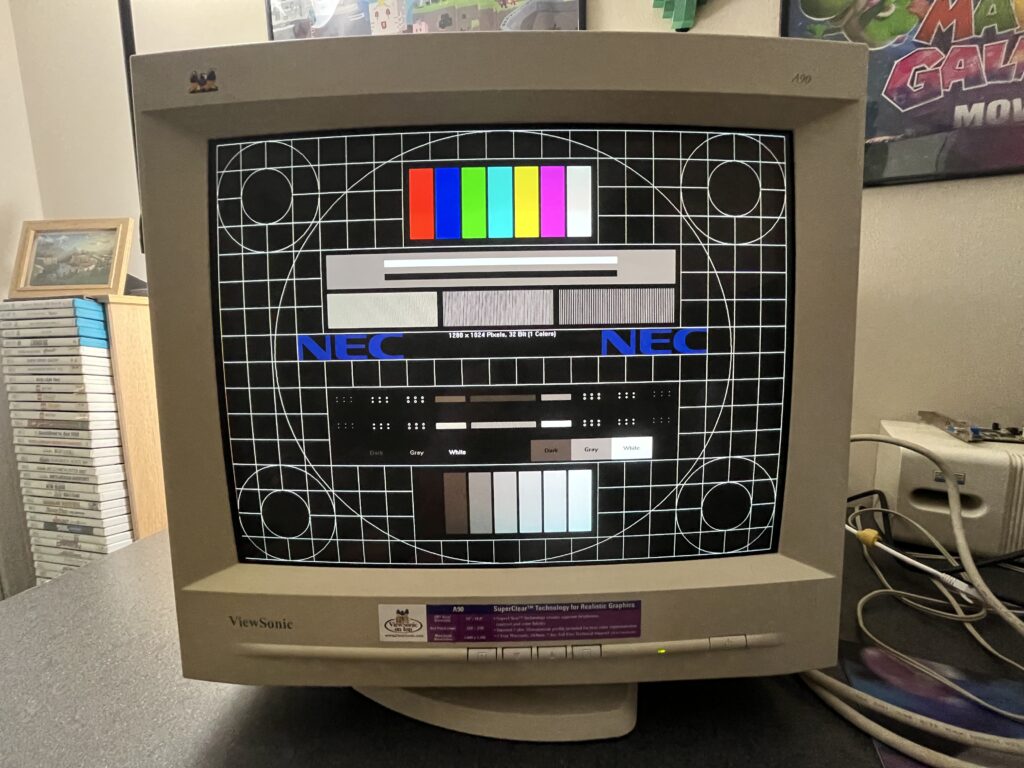
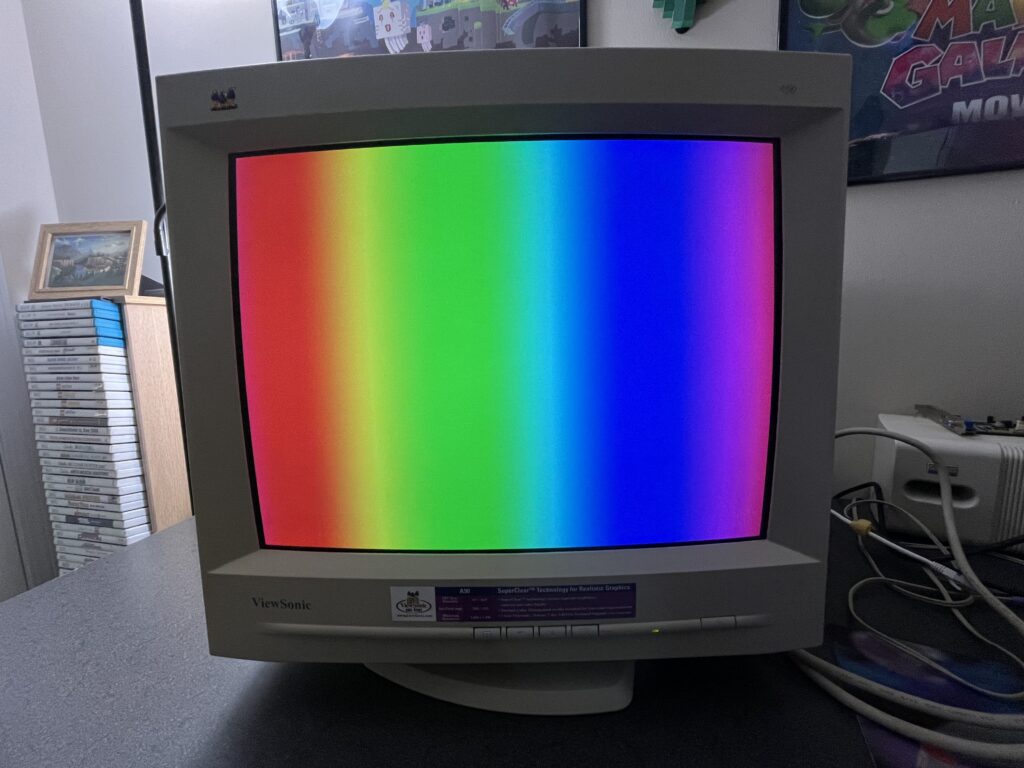
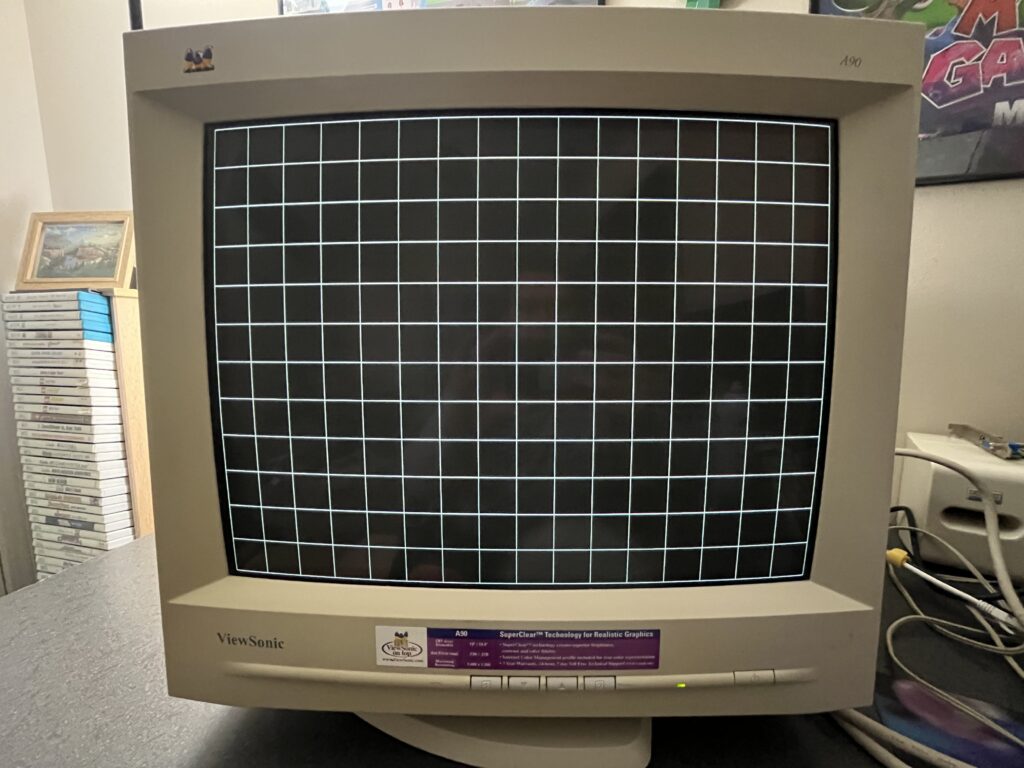
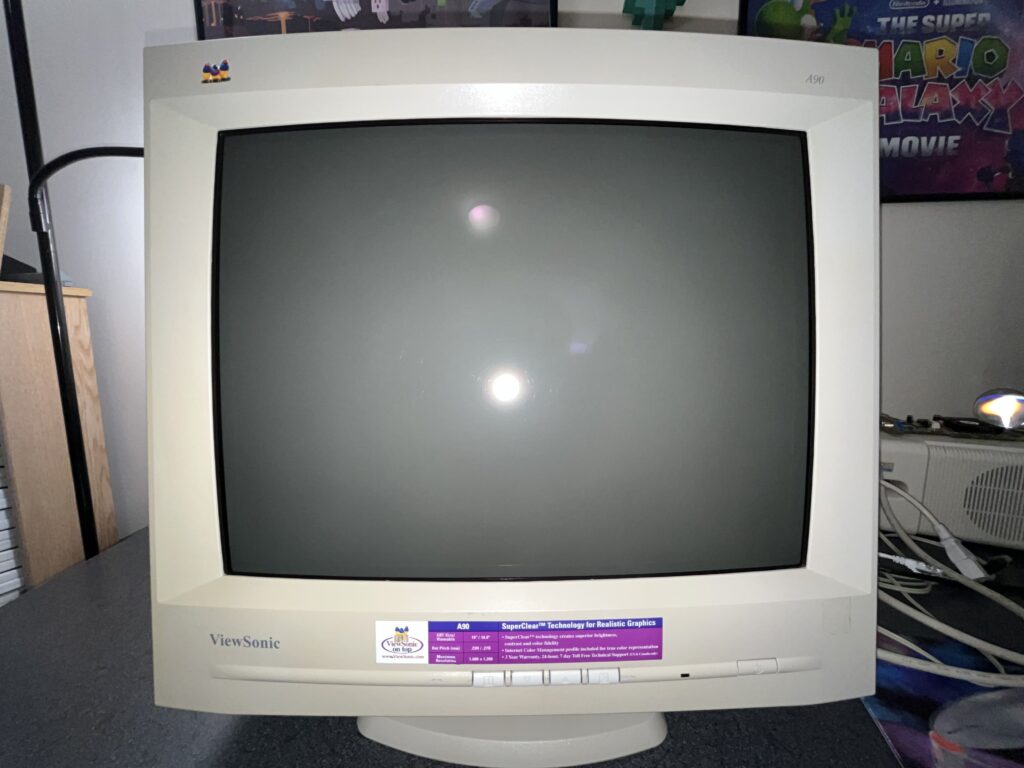
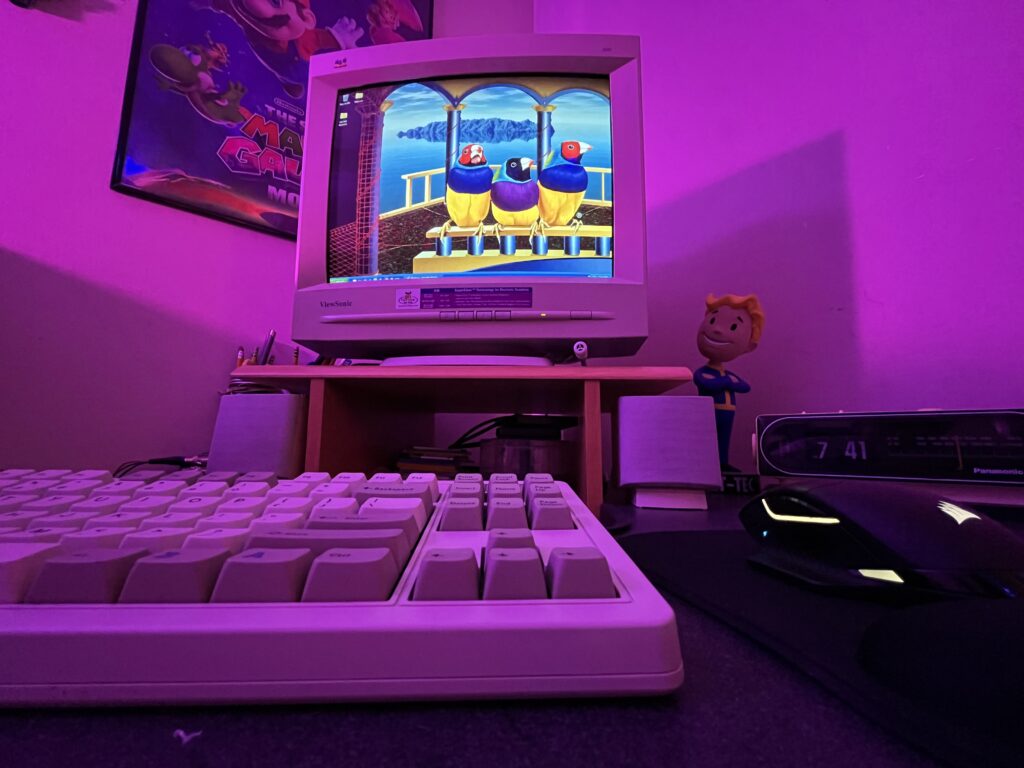
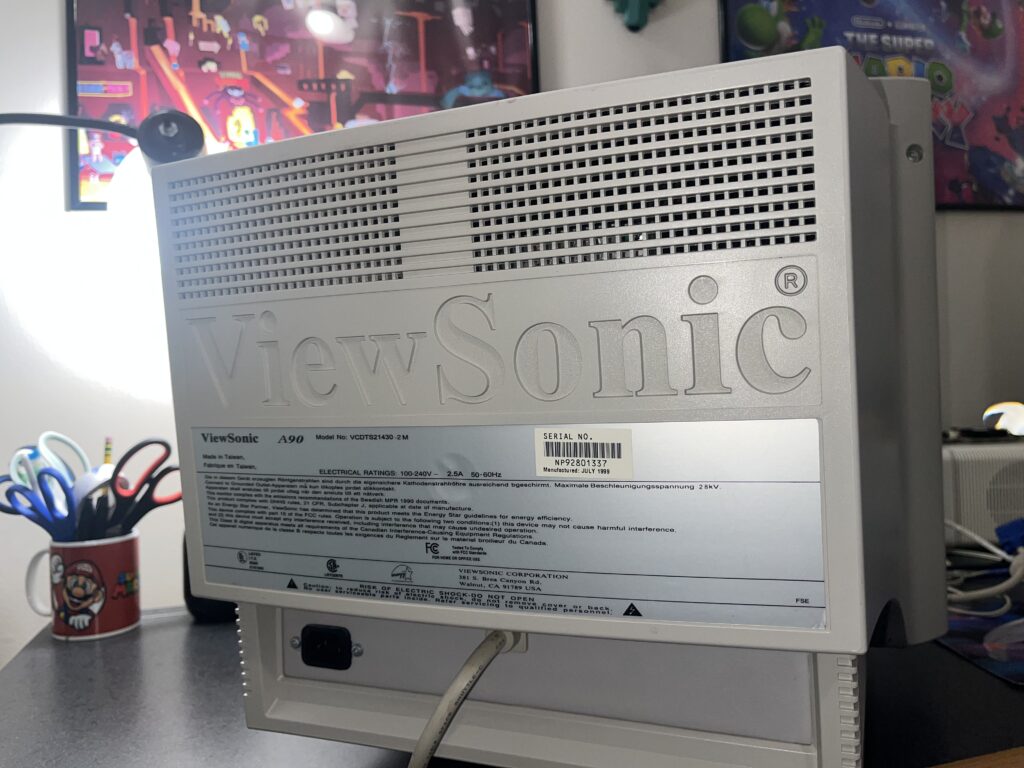
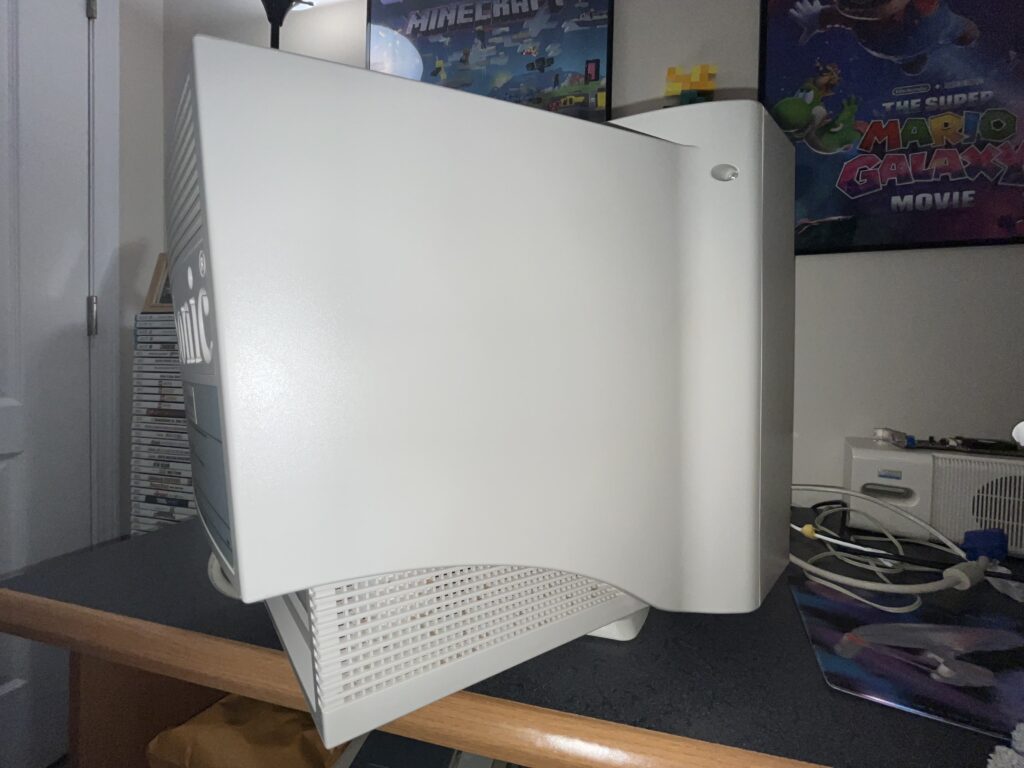
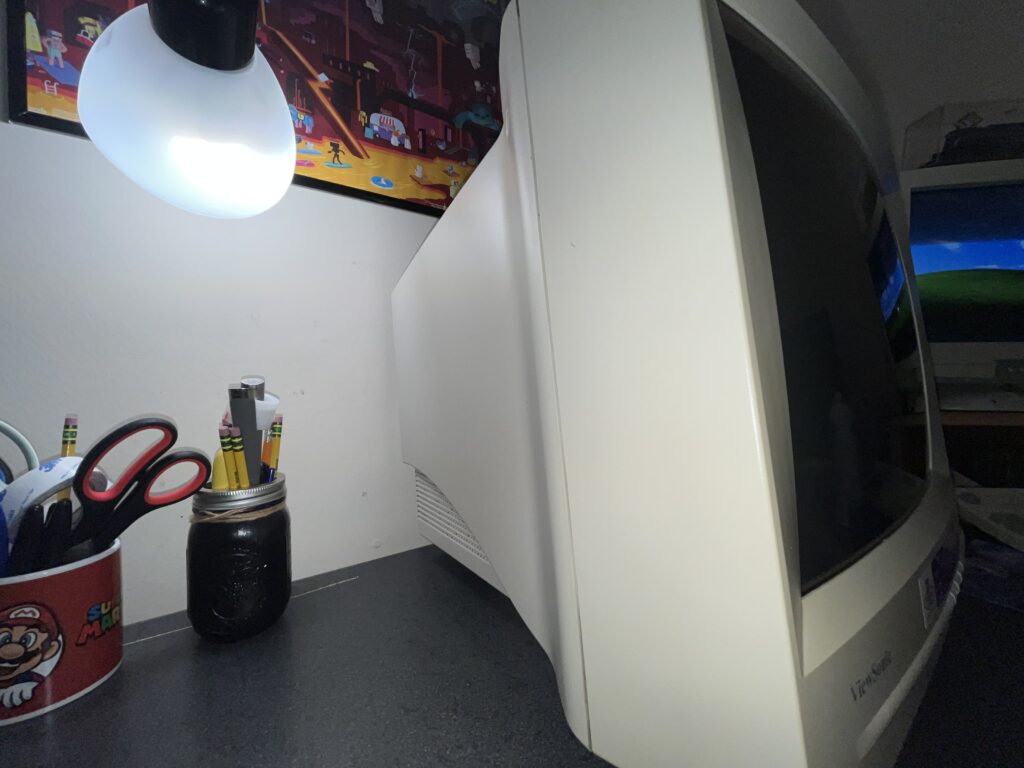
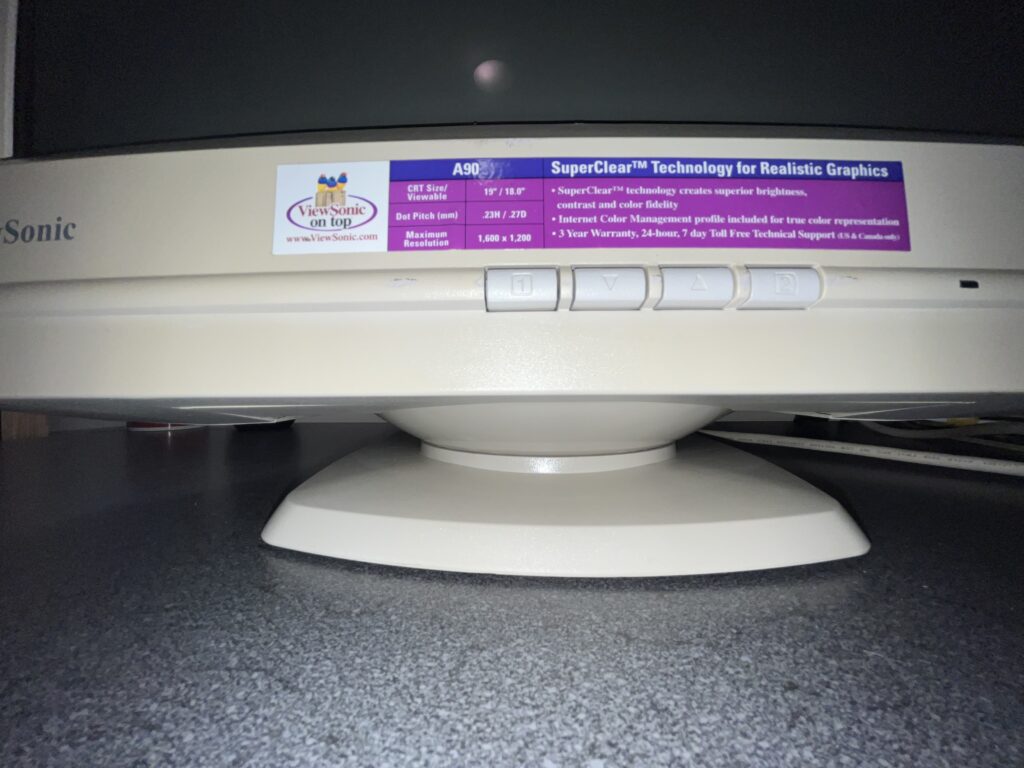
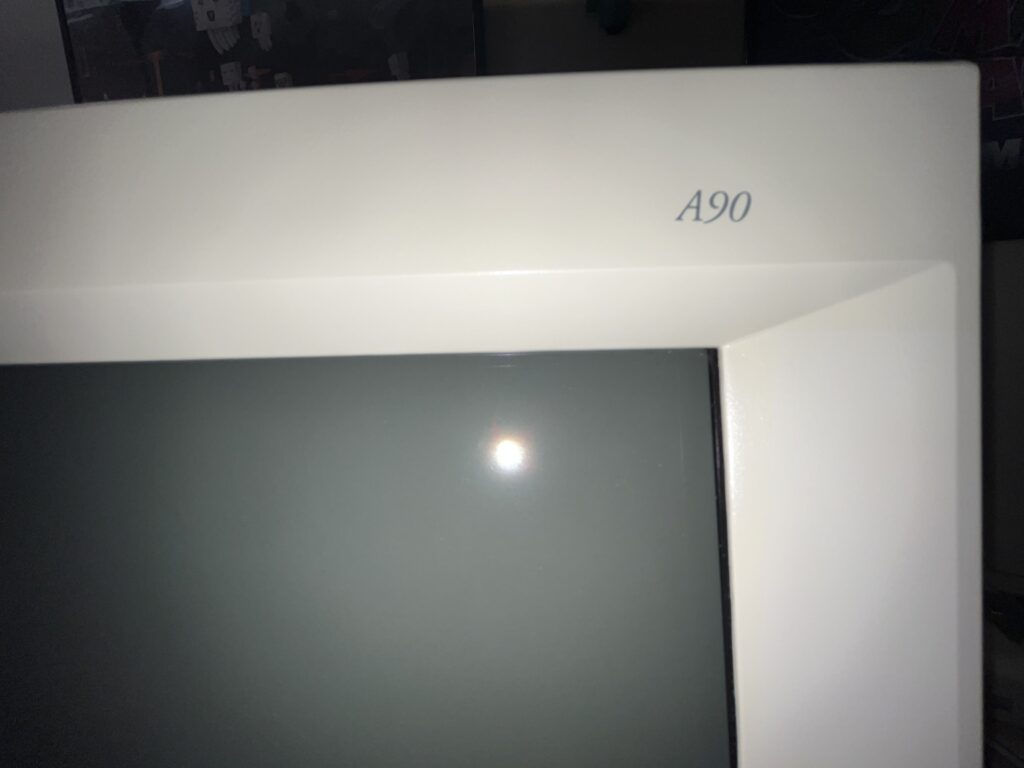
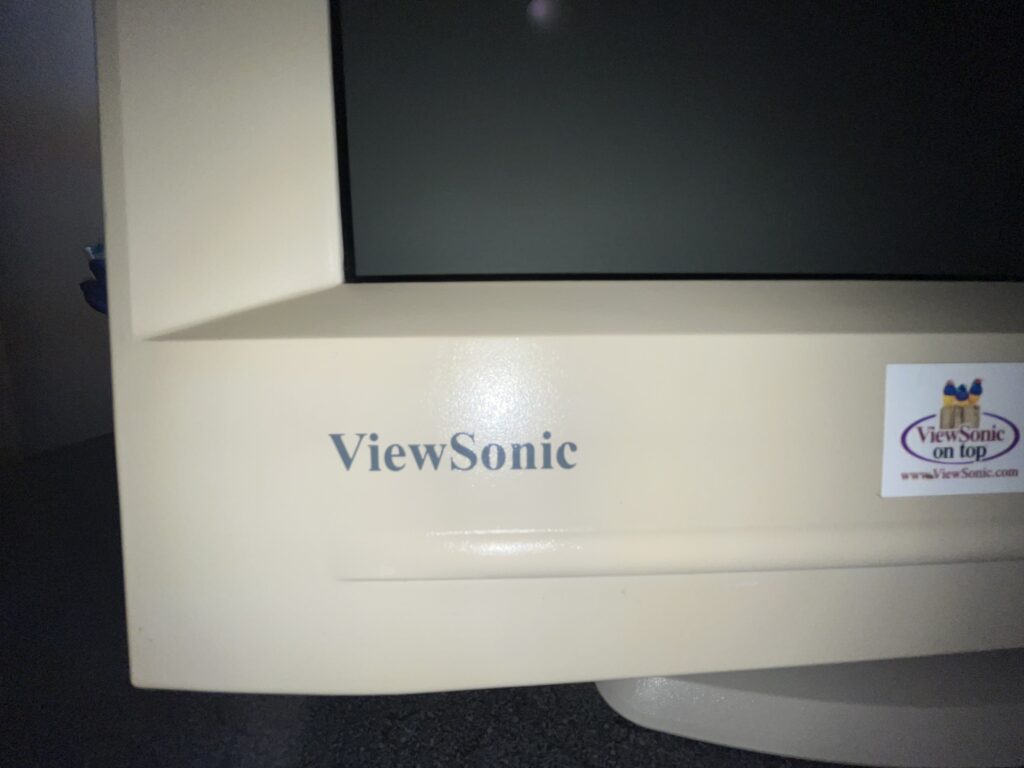
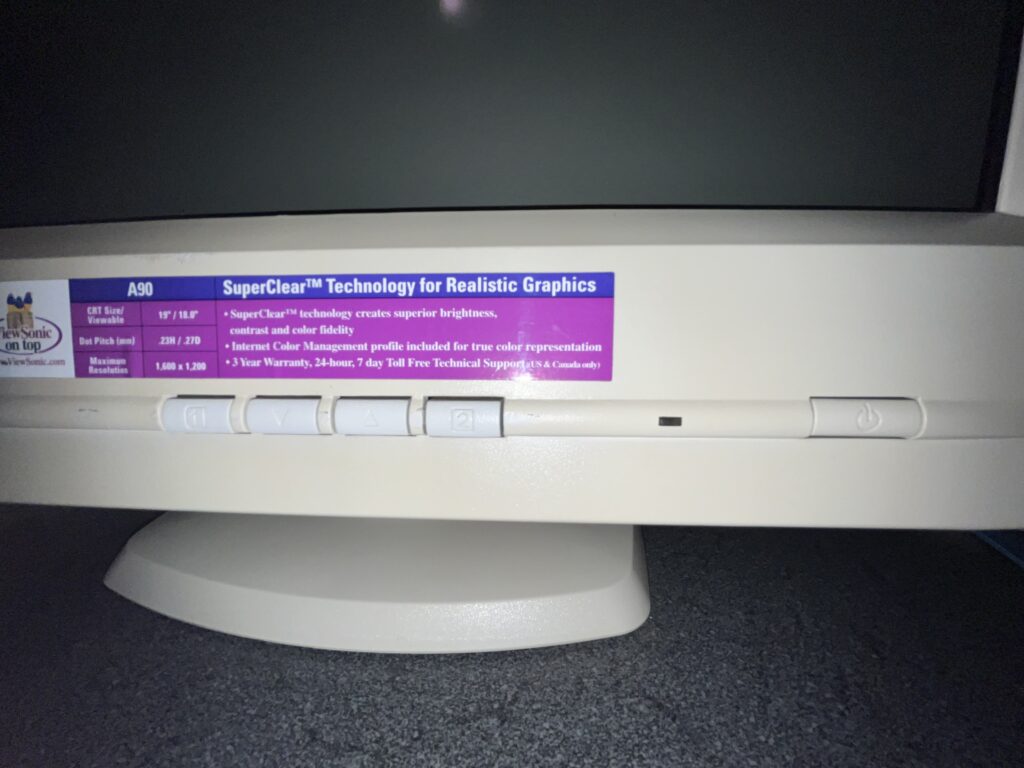
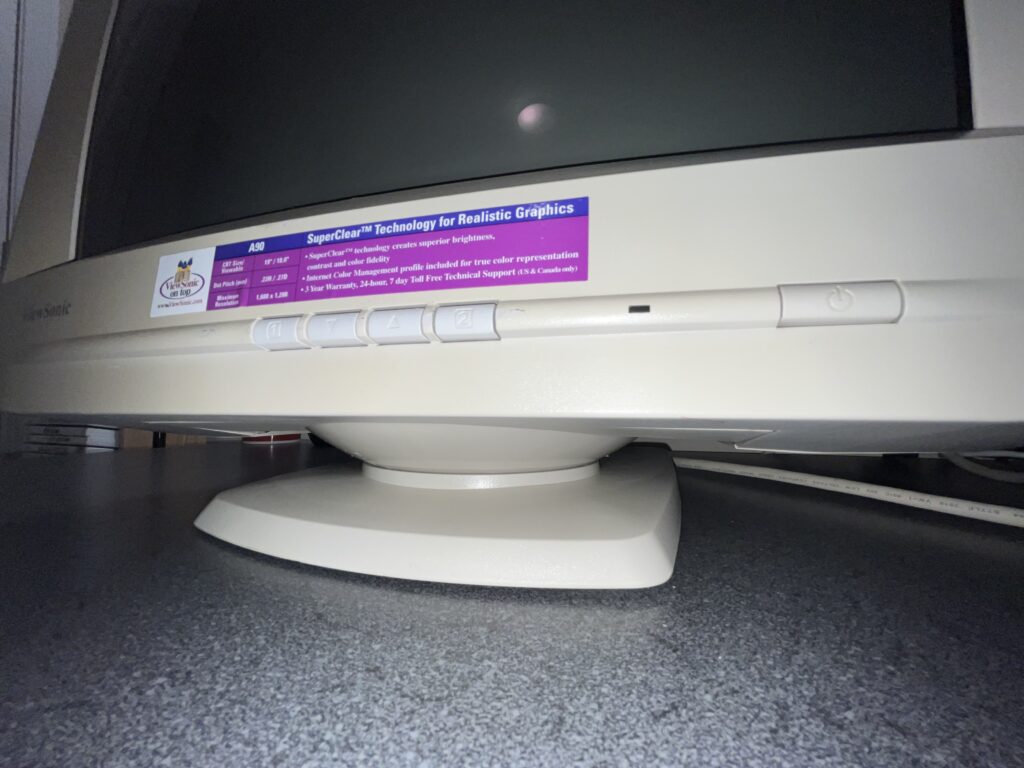
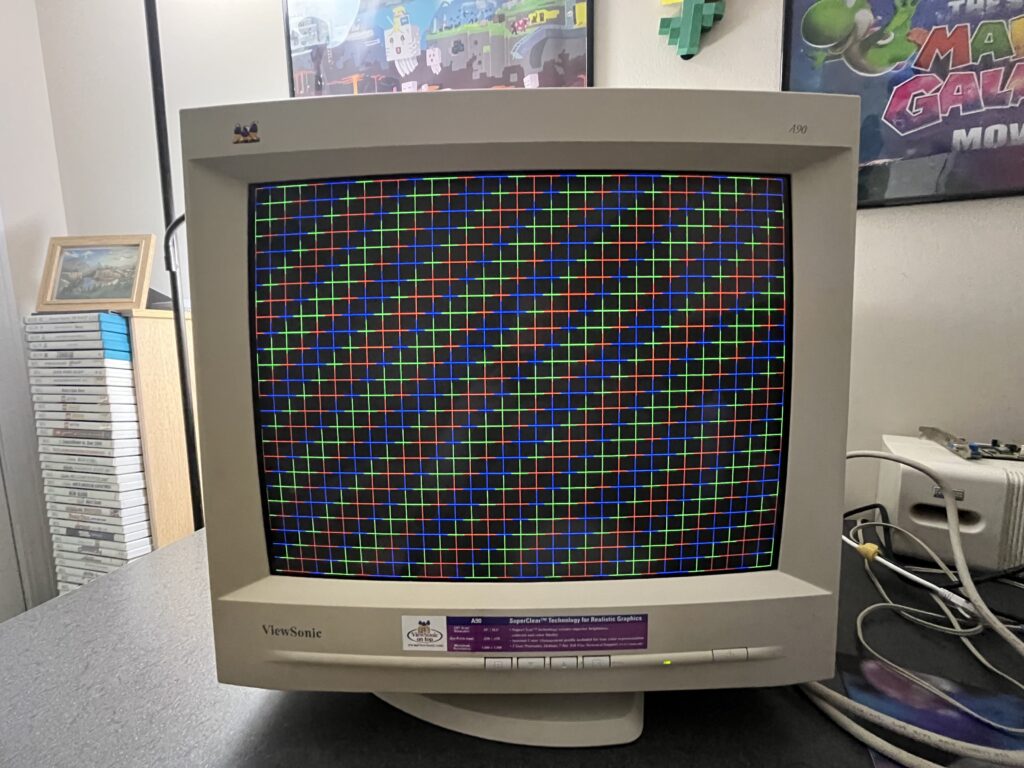
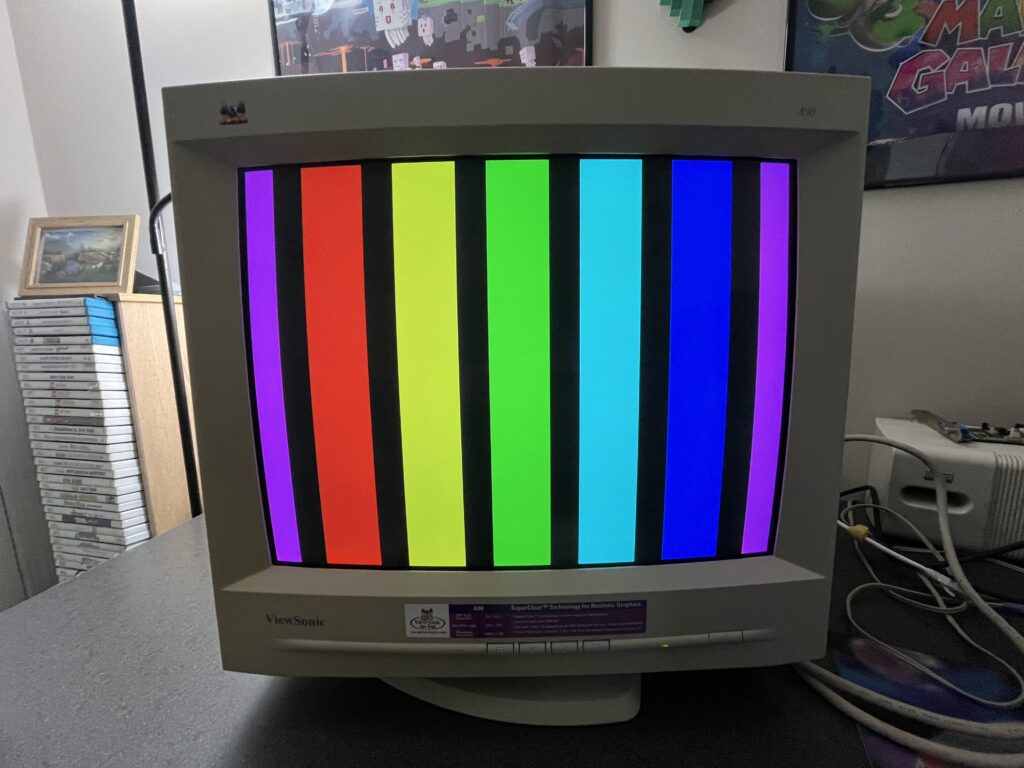
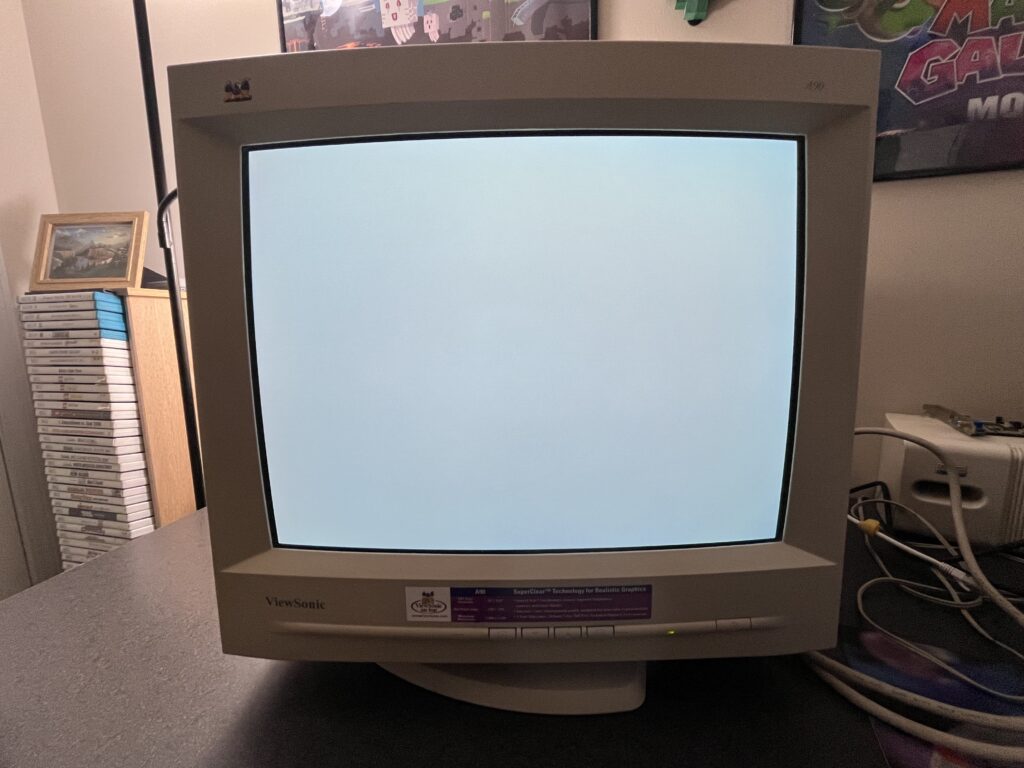
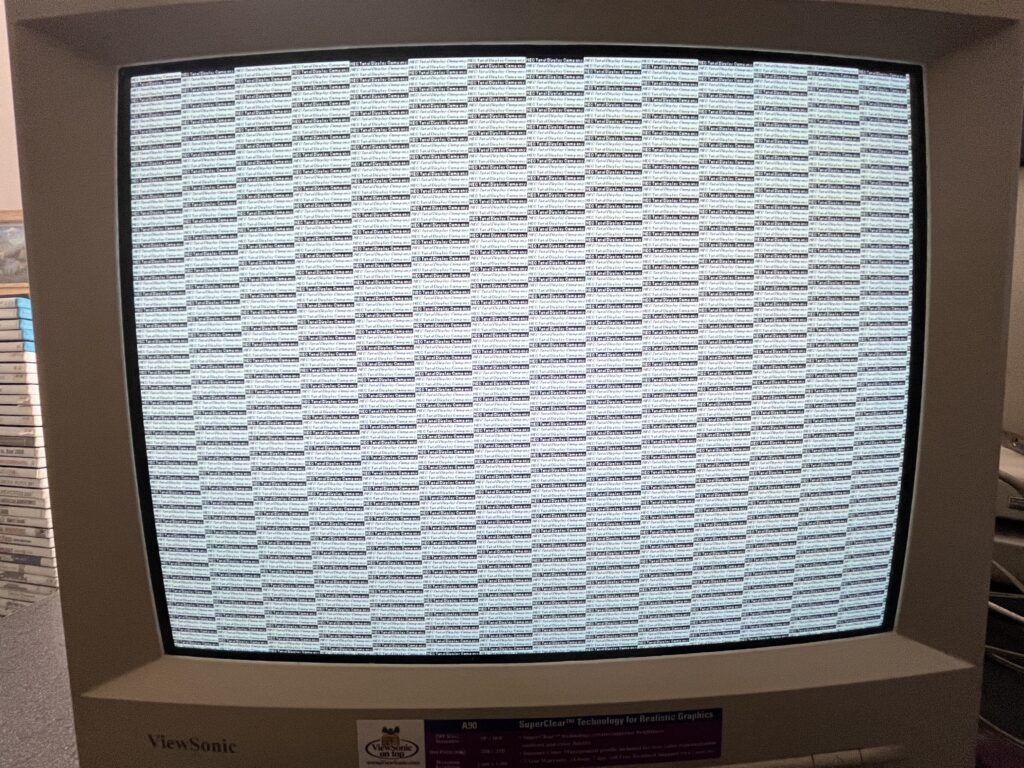
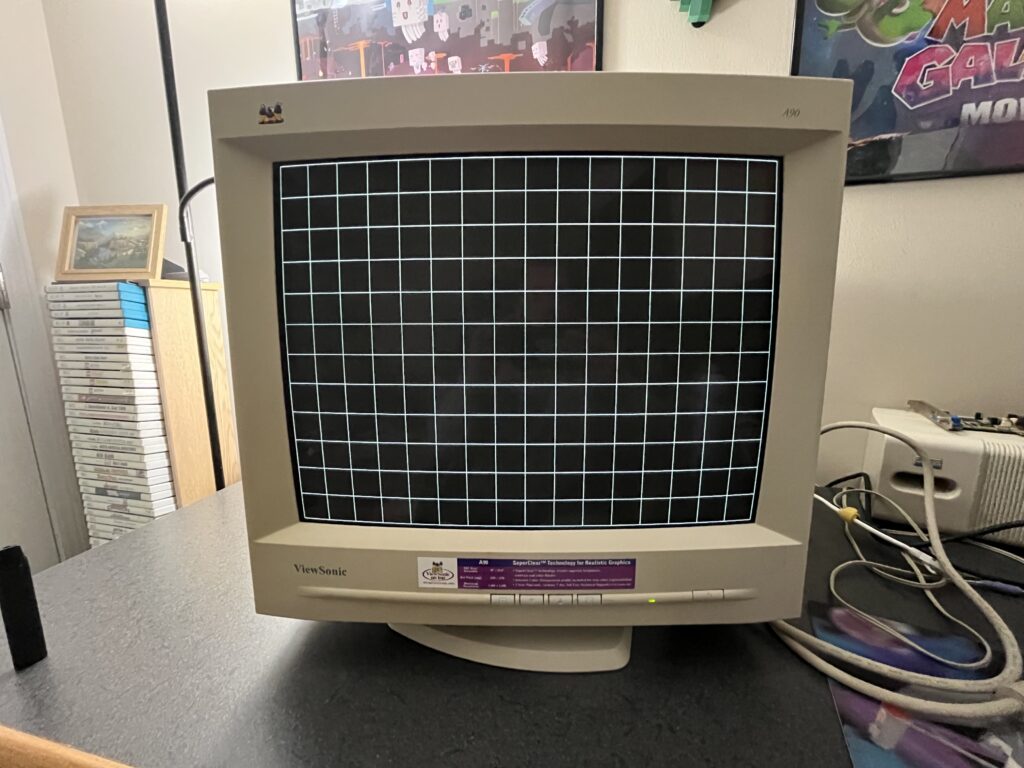
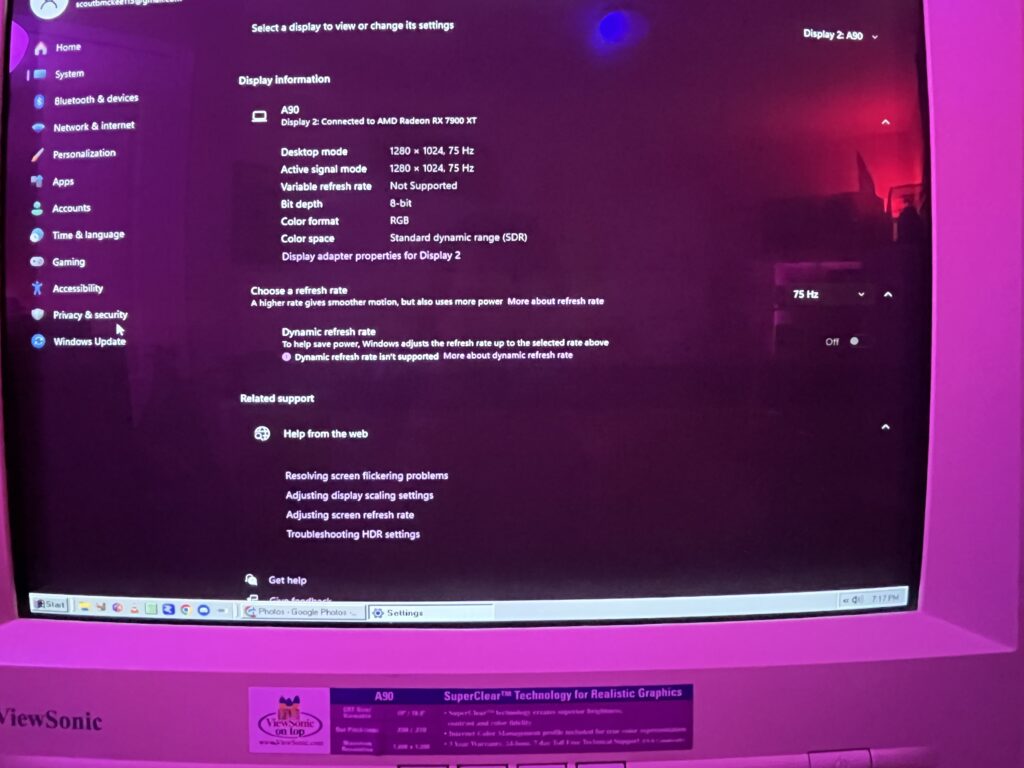
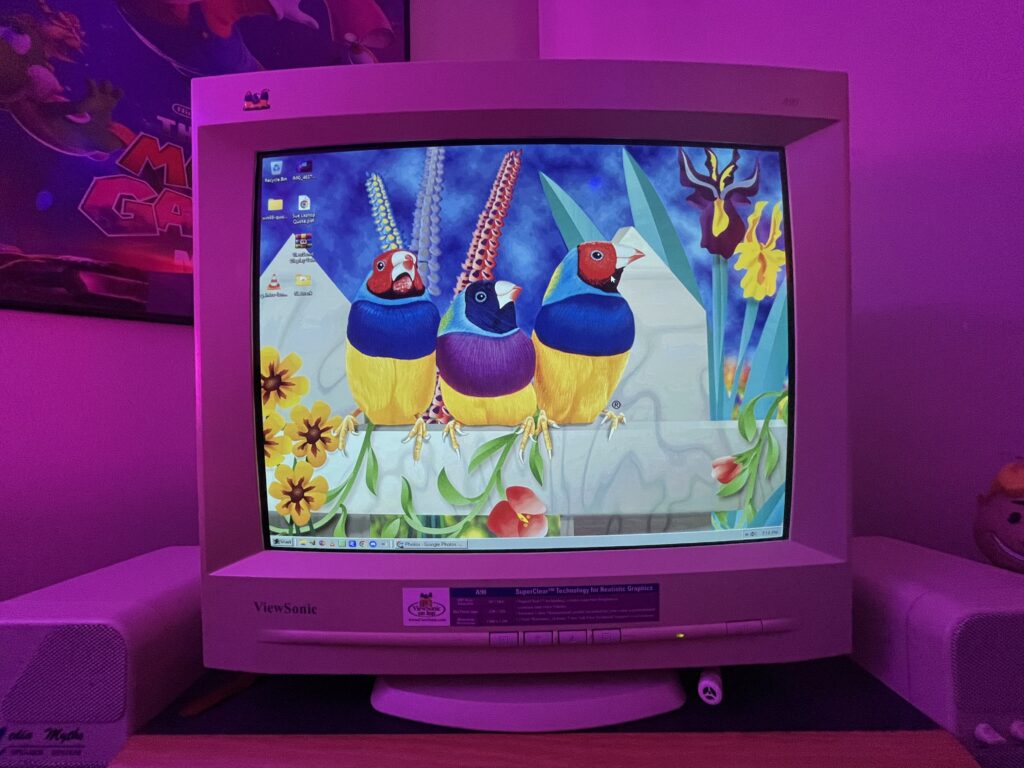
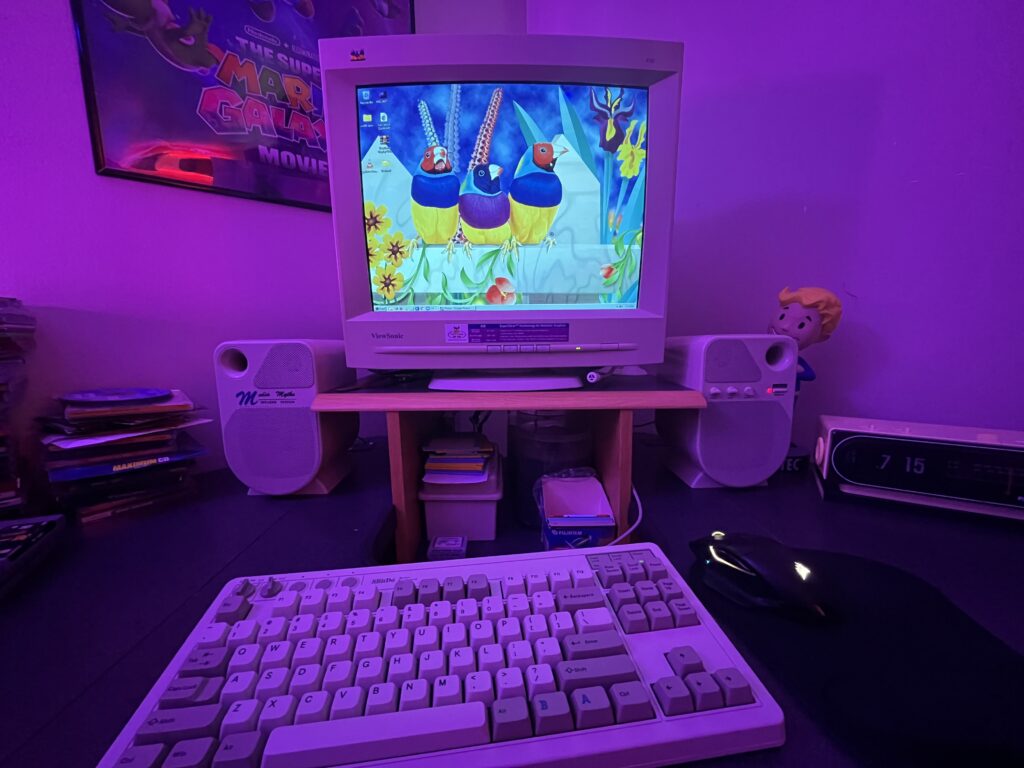
I have chosen to revisit this monitor with a completely different point of view. Here I am after two weeks of DAILY USE. And yes, I mean actual daily use. I have completely eliminated all but ONE flat panel from my room. I own one modern 4K TV for newer games and movies and that is IT. Everything else I do on my modern PC….AMD Ryzen 5 7600X, MSI PRO B650-P WiFi motherboard, XFX Radeon RX 7900 XT 20GB, 32GB Corsair Vengeance RGB DDR5-6000 CL36, Corsair Nautilus 240 RS ARGB AIO, Corsair RM1000e 1000W ATX 3.1 PSU, 1TB Crucial P3 NVMe SSD, 1TB WD Blue SN570 NVMe SSD, 2TB Crucial SATA SSD, 4TB SATA SSD, Windows 11 Home…… all goes through my ViewSonic A90. If I fire up a modern game, sure I'll sit on the couch and enjoy it in 4k but I am literally typing this review ON the A90 right now. All workflow on this monitor… and any game not meant for a big screen. The words you are reading were physically displayed on this giant curved piece of glowing glass before they ever hit the internet. And honestly?

It’s a vibe.

No. Actually… it’s worse than that. I think I accidentally fell in love with this stupid monitor.

And please do not take that as some quirky “haha look at the CRT guy” thing because this stopped feeling like a novelty almost immediately. This isn’t me forcing myself to like old technology because I’m nostalgic or because I think it’s retro and cool. This became a genuine comfort thing. A real everyday experience thing. Getting this setup working correctly was honestly a complete pain in the ass. Between signal cleanup, refresh rates, color tuning, grounding issues, weird interference, and learning the personality of the monitor itself, this thing fought me for days. There were moments I genuinely thought the tube was cooked. I was frustrated, annoyed, disappointed, and honestly kind of heartbroken because I WANTED this thing to be good so badly…. But now that I finally understand her and have everything dialed in correctly? I don’t think I can ever go back to using a flat panel at a desk again and that realization hit me HARD.

Looking back at what I originally wrote about this monitor, I realize now I was being kind of ignorant. I complained a lot about blue push, weird image behavior, and flicker being super noticeable, but the reality was I kept trying to brute force extremely high resolutions because I thought “higher number = better.” Meanwhile I completely overlooked the fact that this monitor absolutely shines at 1280×960 running at 85Hz.

That changed EVERYTHING.

I cannot stare at a high resolution CRT running at 75Hz for long periods of time. Some people can do it. I can’t. The flicker drives me insane and makes my eyes feel tired almost immediately. But 85Hz? At a perfect 4:3 aspect ratio? Sitting at 1280×960? Suddenly the entire monitor transformed right in front of me. The weird mirror-like artifacts disappeared. The image stabilized. The slight bluish push turned out to just be normal calibration work and a tiny adjustment to the blue gun cleaned it right up.

She is perfect. Not “perfect for a CRT.” Not “good for her age.”

Perfect.

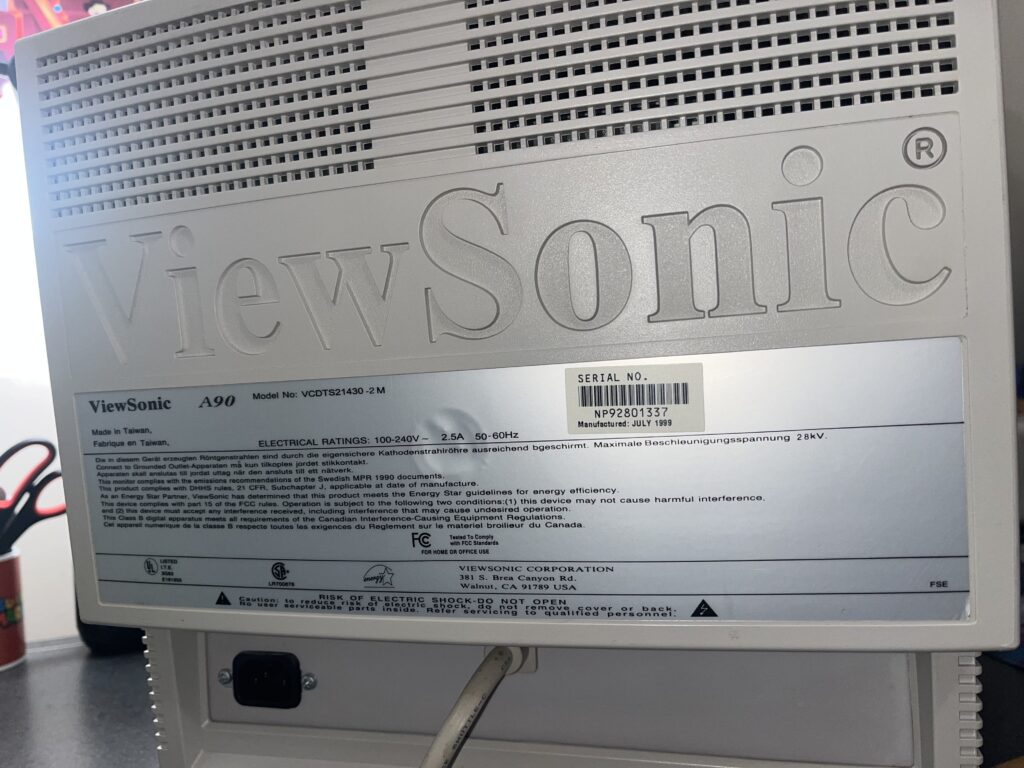
I have been doing EVERYTHING on this tube. This monitor has become part of the atmosphere of the room itself. The GLOW in the game room emitting from this monitor HITS DIFFERENT MAN, the way the curved glass catches reflections, the soft hum of the tube warming up, the way whites look like actual paper instead of LED headlights shining into your skull… I’m serious when I say modern displays started feeling emotionally cold after this. Somehow this old beige office monitor from 1999 has completely ruined modern “gamer” monitors for me.

My expensive curved 180Hz 1440p LCD is now sitting on my fiancée’s desk because honestly… She appreciates the size and refresh rate more than I do. And the crazy part? I don’t miss the LCD at all. Not even a little and it was almost brand new… I had it less than a year.

There’s just something about a properly dialed-in VGA CRT that modern displays still cannot replicate no matter how hard they try. Motion feels real. Text has this smooth printed quality to it instead of looking digitally etched into the screen. Colors blend together naturally in a way that feels almost organic once your eyes adjust to it. Even the imperfections somehow make the image feel alive.

And unlike modern displays, this thing has PRESENCE. When she’s on, the whole room changes, and that’s the part I never understood until now. I've always LOVED CRTs but this A90 changed my point of view from “awesome for retro gaming” to my whole personality.

This A90 isn’t trying to impress people in five seconds at a CompUSA showroom… She wins you over slowly. Quietly. The longer you use her, the more everything else starts feeling artificial and sterile by comparison. That might be the most dangerous kind of display there is for someone like me…. once your brain adjusts to this experience, modern panels stop feeling like windows into a computer and start feeling like illuminated plastic. This particular A90? She is MINT. Absolutely mint. And I am unbelievably happy I gave her a second chance. 10/10
Brand:
ViewSonic
Manufacturer:
ViewSonic Corporation
Model:
A90
Series:
A Series
Viewable Size:
18″
Input Signals:
RGB Analog (0.714Vp-p, 75Ω), H/V Sync, Composite Sync, Sync-on-Green
See common issues and potential solutions at the bottom of this page!
Interference-induced image instability
shows up as waviness, shifting colors, ghosting, or a picture that looks completely wrong even though the tube itself is healthy. The diagnosis is almost always a dirty analog signal path rather than a failing monitor. These A-series ViewSonics are sensitive to grounding quality, cable shielding, and nearby EMI sources. The common fix is to clean up the entire chain by using a proper VGA source or high-quality DAC, replacing or shortening cables, physically separating power and signal lines, removing noisy peripherals like cheap speakers or amplifiers, and ensuring the monitor and source share a stable ground.

Perceived softness compared to aperture grille displays is often mistaken for a defect. The diagnosis is simply the inherent behavior of a shadow mask tube with a 0.23 mm pitch, which blends pixels slightly instead of producing razor-sharp edges. The fix is not repair but proper configuration and expectation. Running appropriate resolutions and refresh rates, dialing in contrast and focus, and viewing at a normal desk distance brings out the intended “paper-like” image instead of chasing unnatural sharpness.

Geometry drift over time can present as slight changes in image width, height, or edge shape, sometimes varying as the monitor warms up. The diagnosis is normal analog drift from component aging and thermal behavior rather than a specific fault. The fix is to correct it through the on-screen geometry controls, allow proper warm-up before use, and in more noticeable cases check for power supply stability or aging capacitors.

Edge convergence imperfections
Edge convergence imperfections appear as minor color separation near the corners while the center of the screen remains clean. The diagnosis is typical alignment tolerance for a 19 inch shadow mask CRT and not a sign of failure unless severe. The fix is limited to available convergence or geometry adjustments, but in most cases it is considered normal behavior for the class.

Brightness reduction with age
Brightness reduction over time shows up as a dimmer image requiring higher brightness or contrast settings. The diagnosis is gradual cathode wear within the tube itself. The common fix is to compensate with calibration adjustments if the tube is still usable, verify the issue is not caused by signal or power problems, and recognize that significant dimming indicates natural end-of-life rather than something easily repairable.
Portions of this page include archived materials, images, and reference content originally published by ViewSonic. These assets were sourced from publicly accessible historical snapshots via the Internet Archive and are used strictly for informational, educational, and preservation purposes.

All trademarks, logos, and original materials remain the property of their respective owners. This site is an independent archival project and is not affiliated with or endorsed by ViewSonic. If you are a rights holder and would like any material removed or credited differently, please contact me and I will address it promptly.