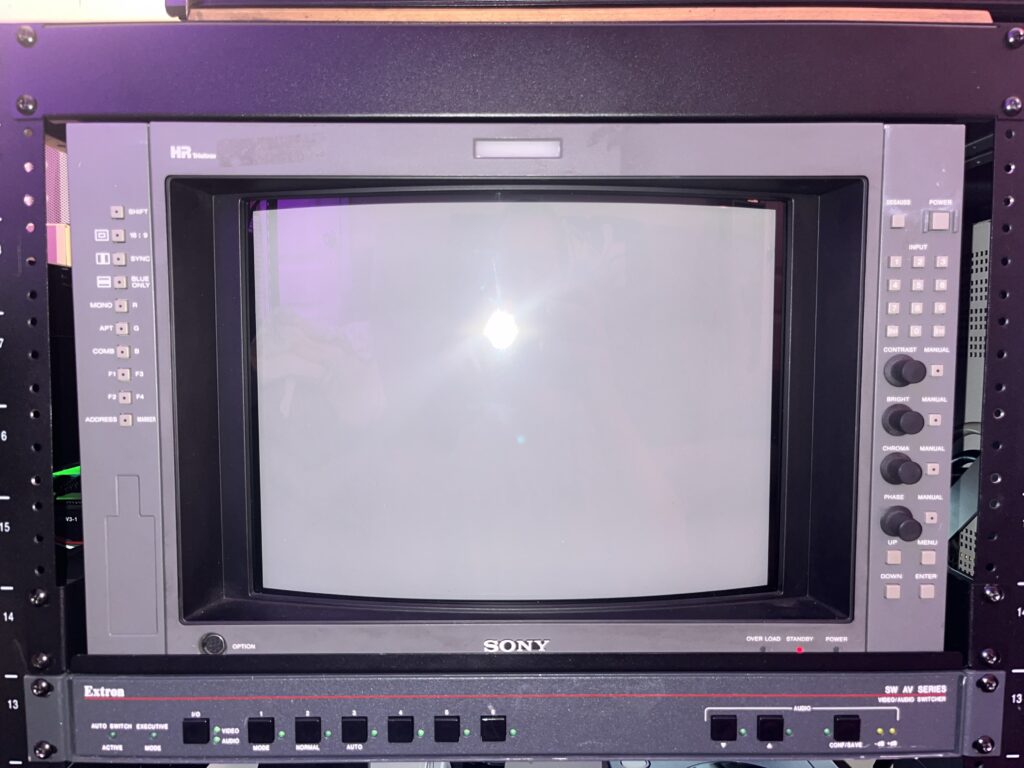
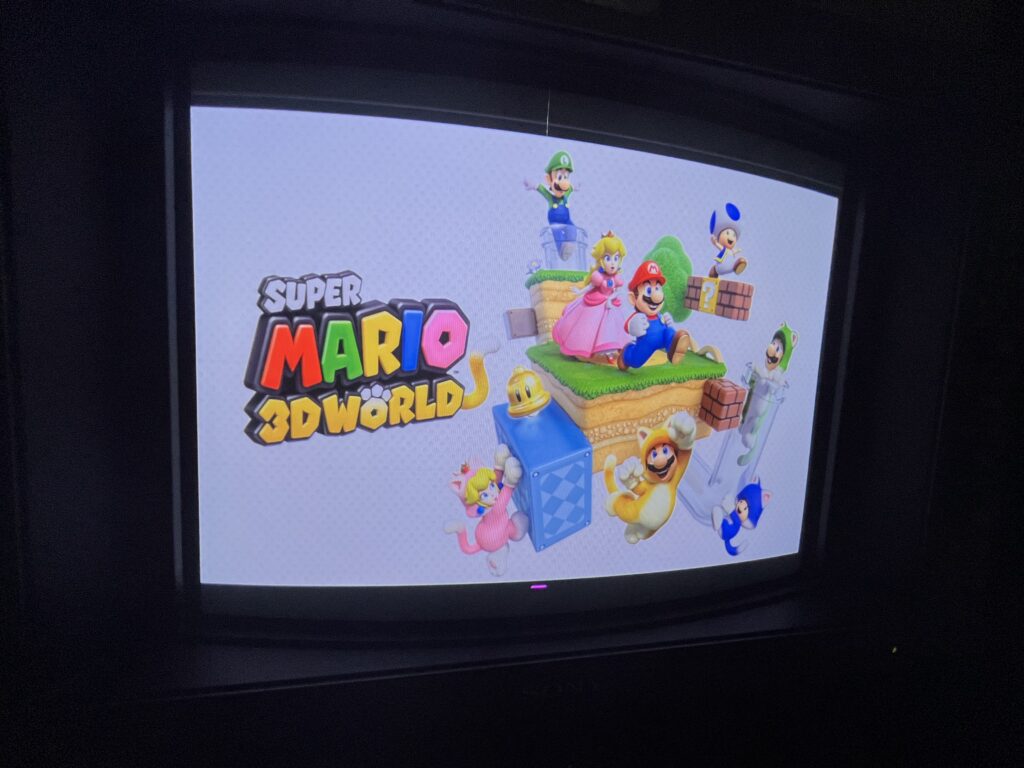
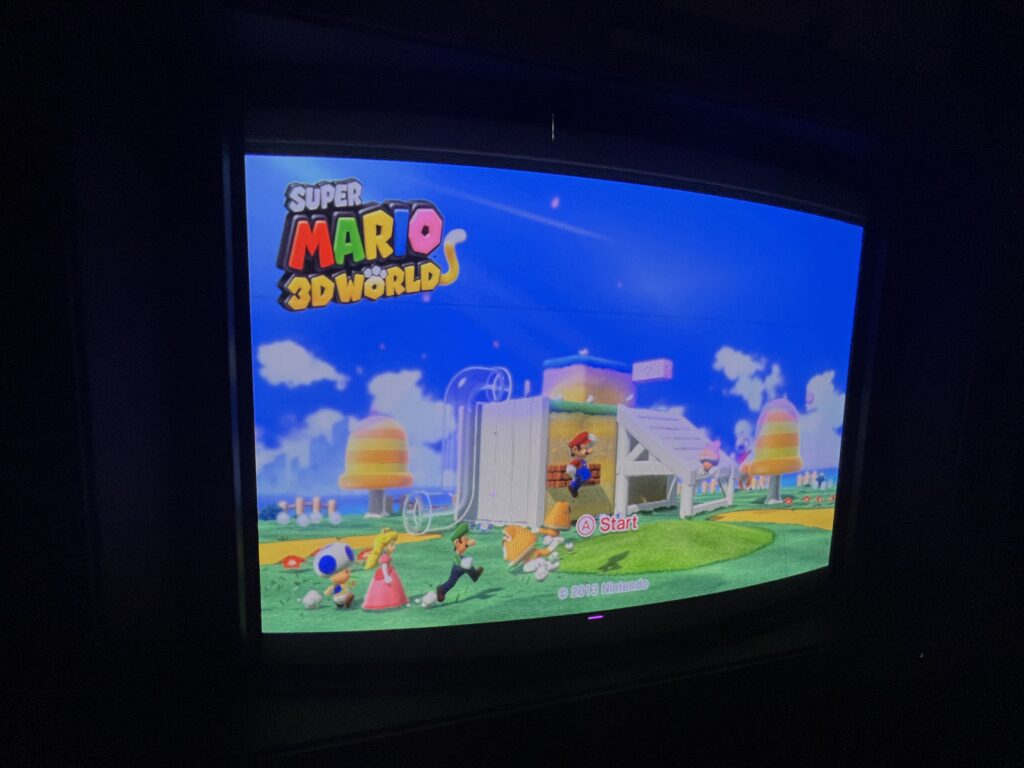
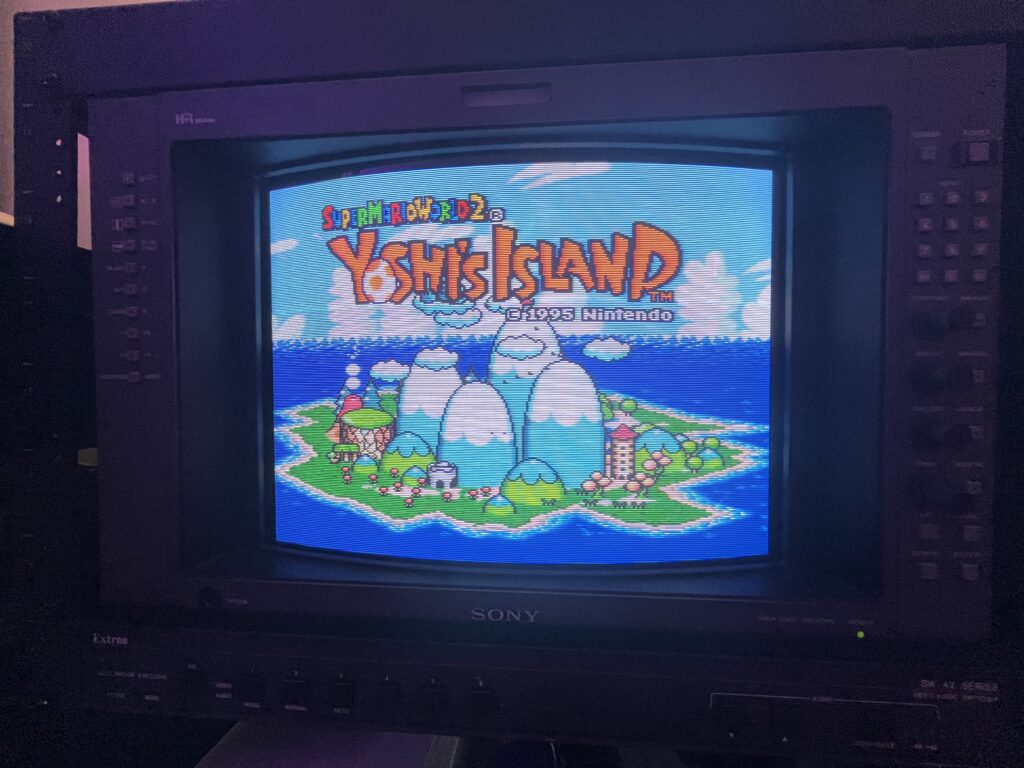
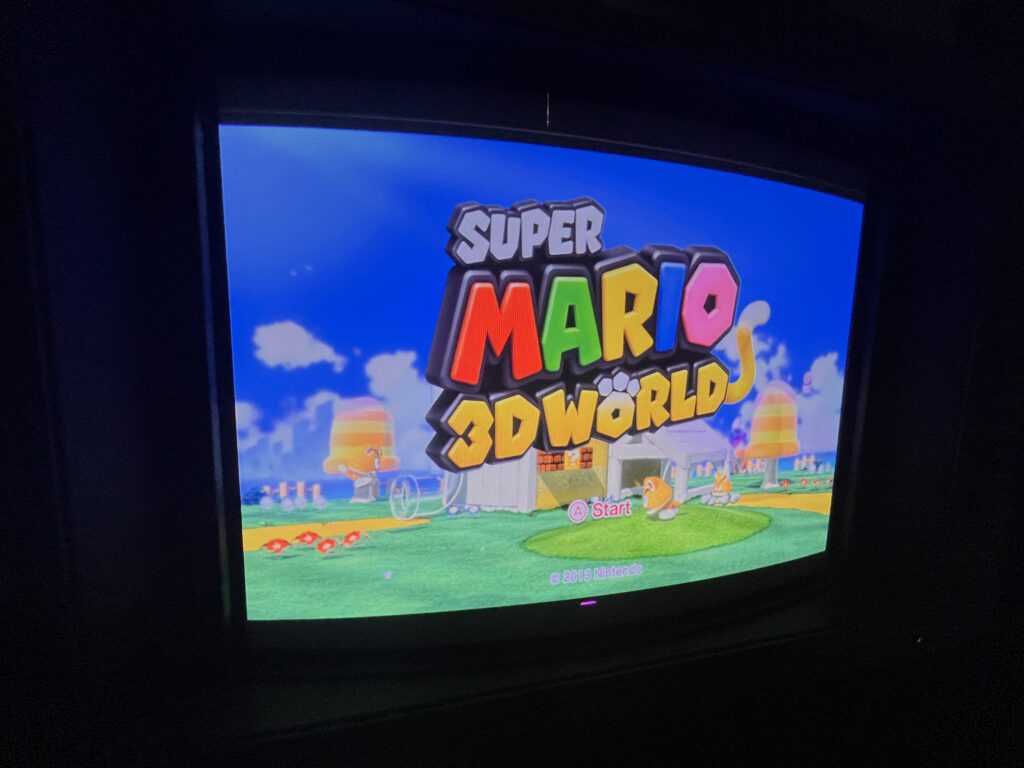
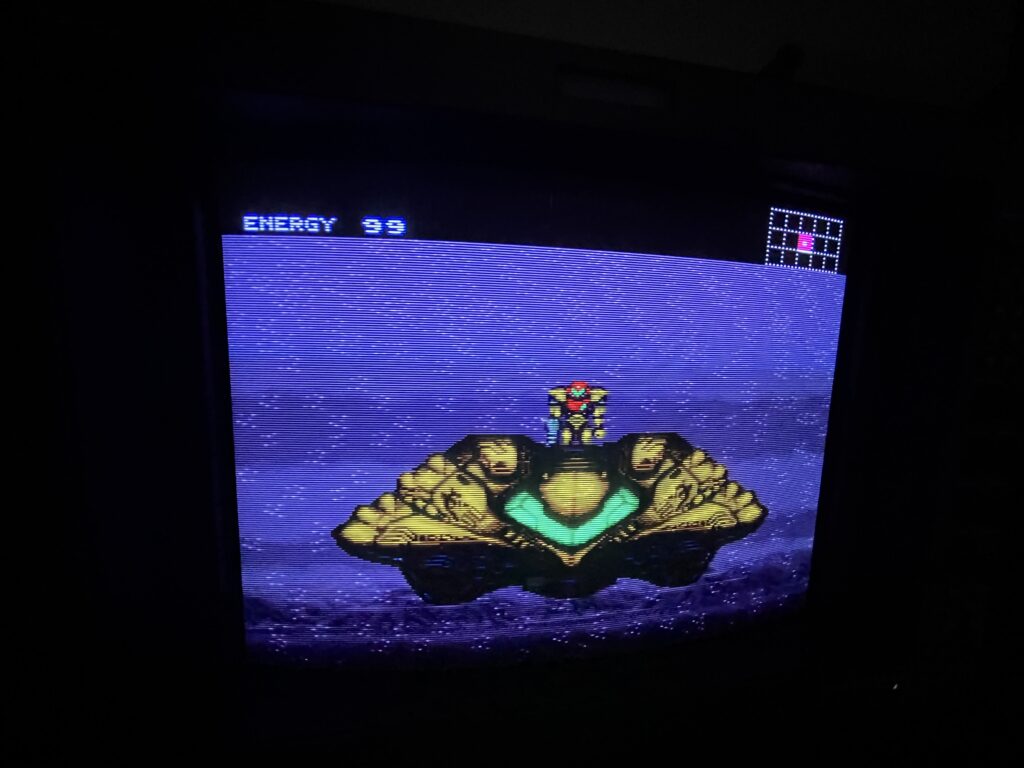
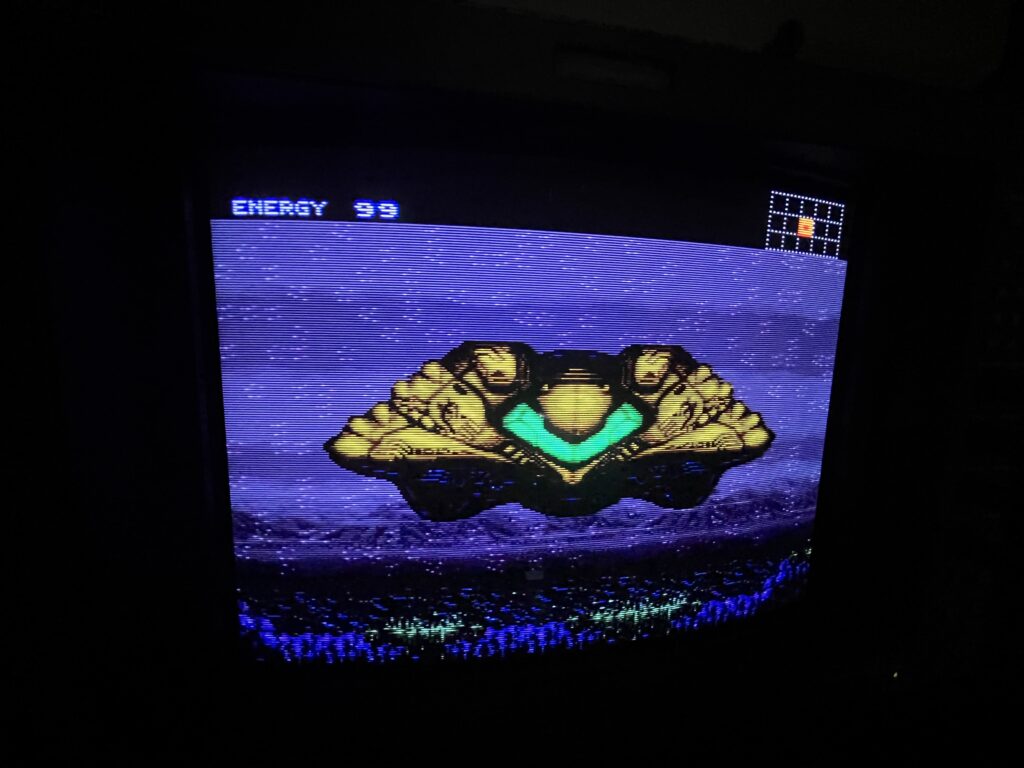
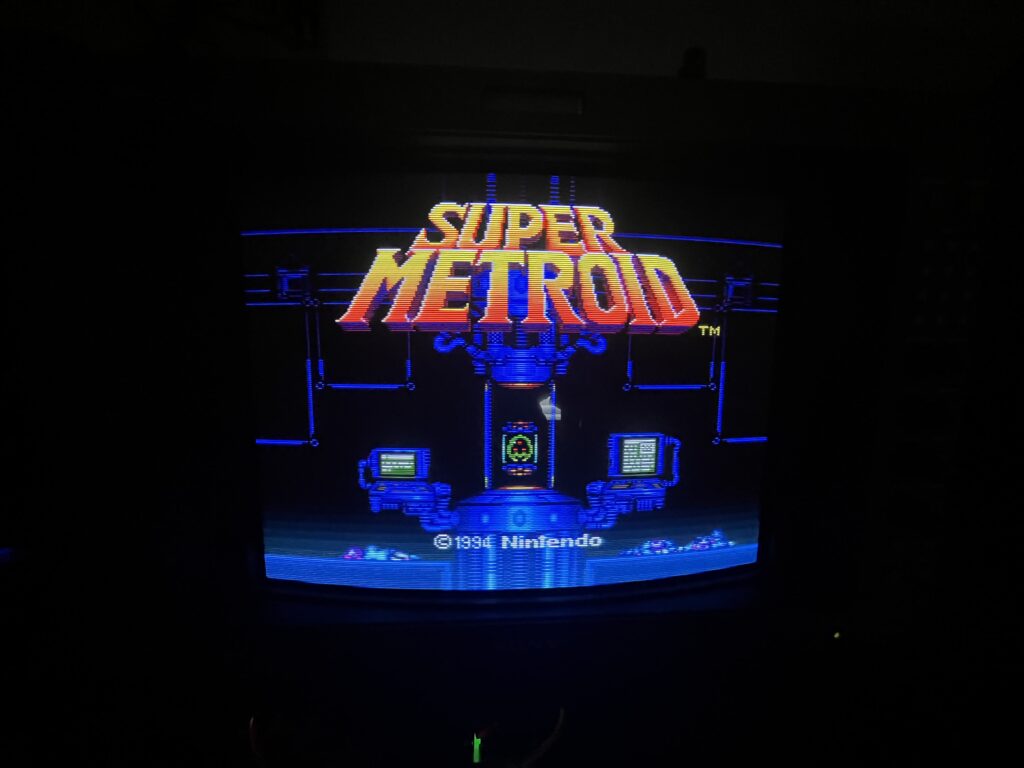
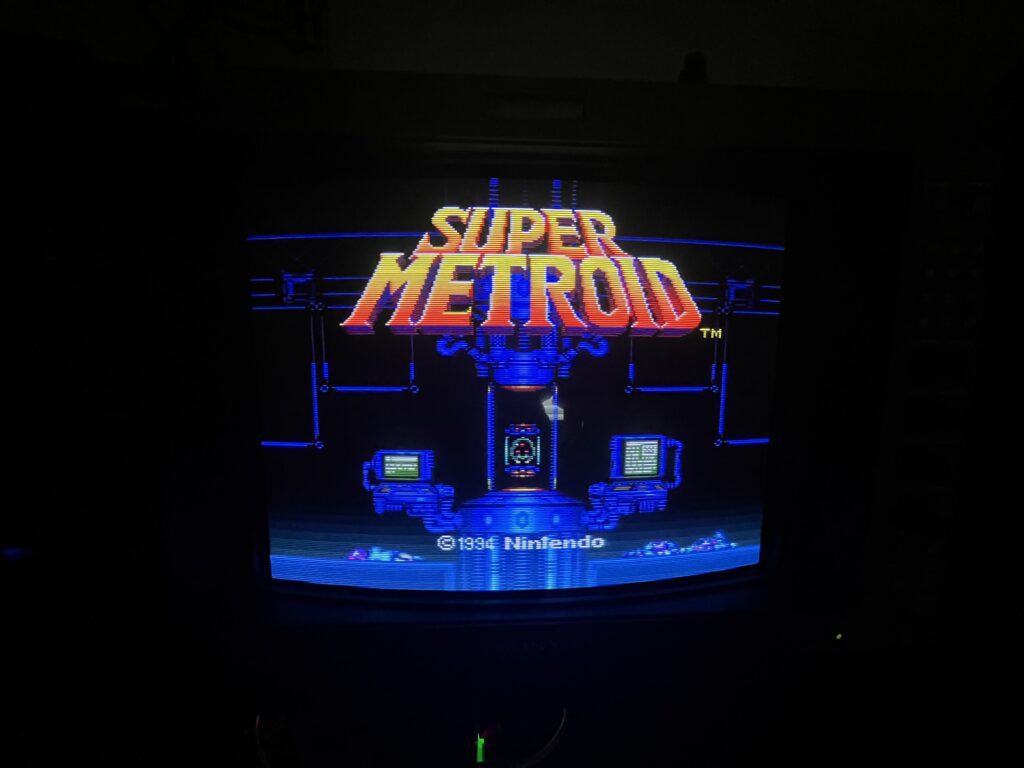
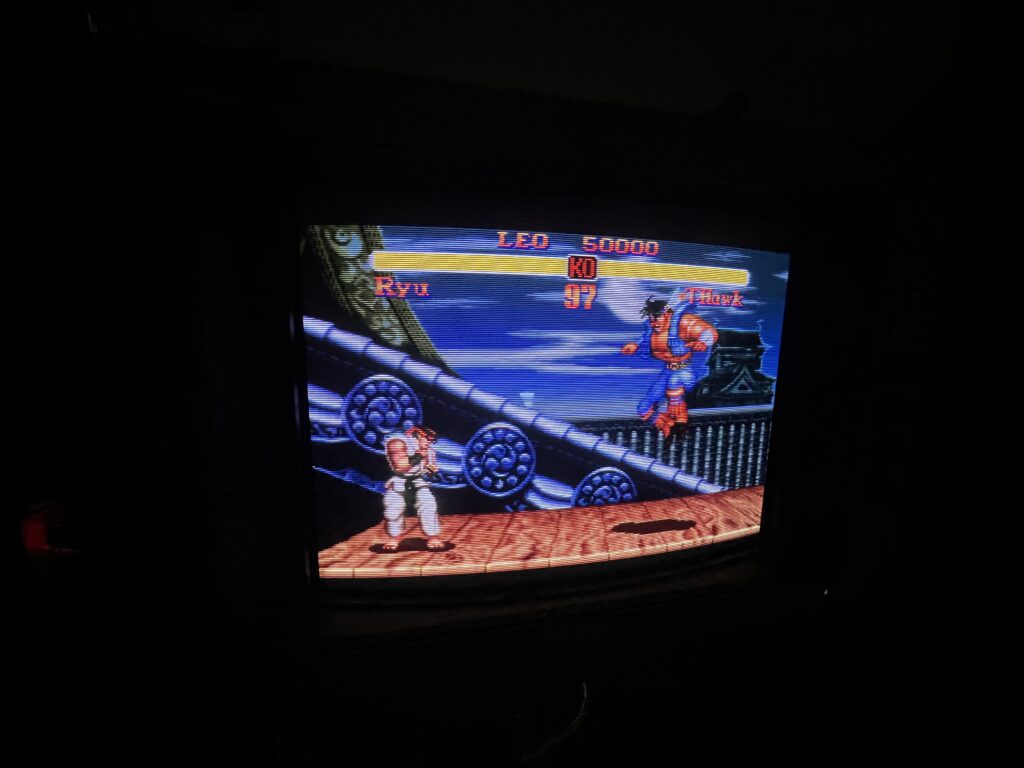
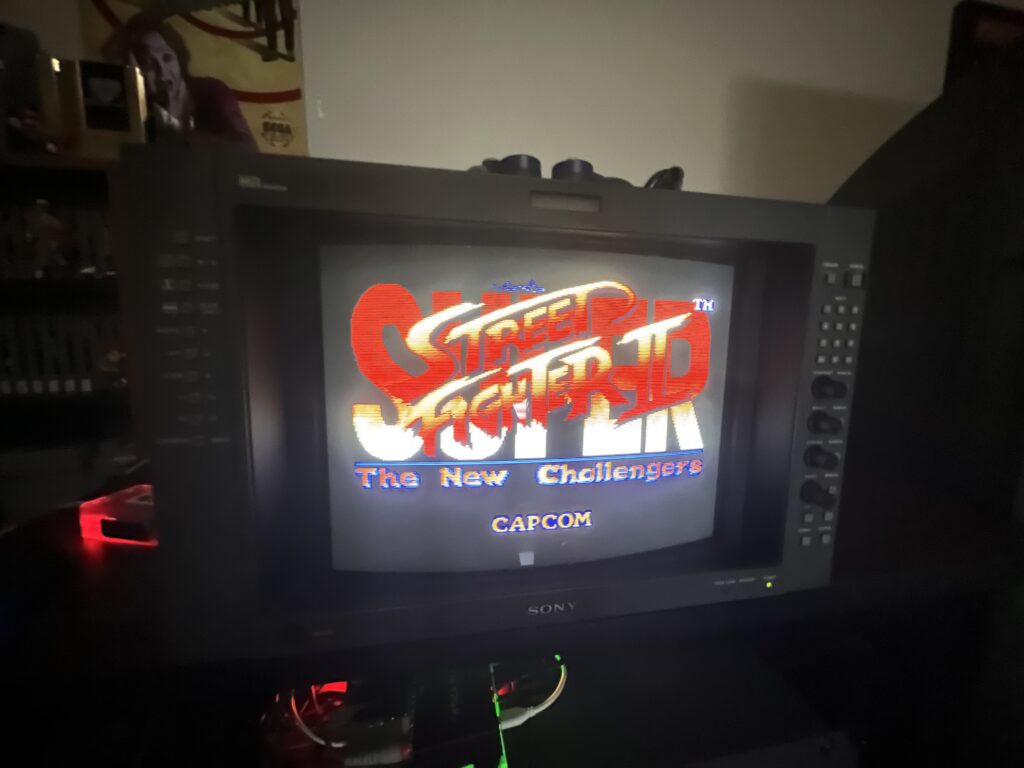
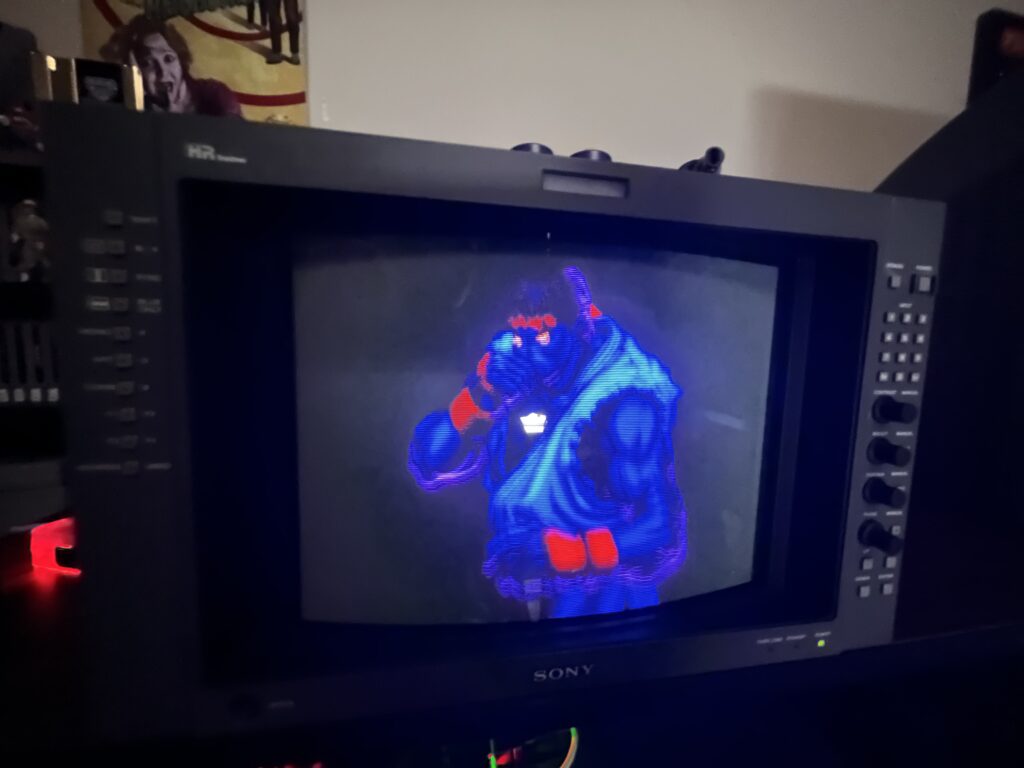
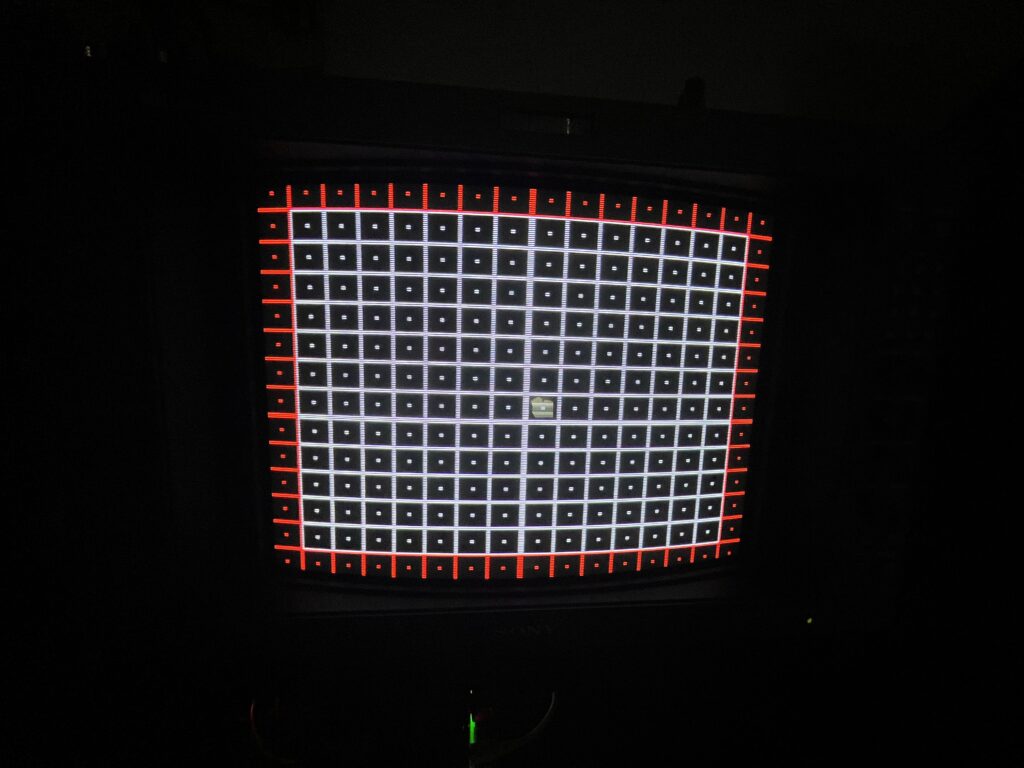
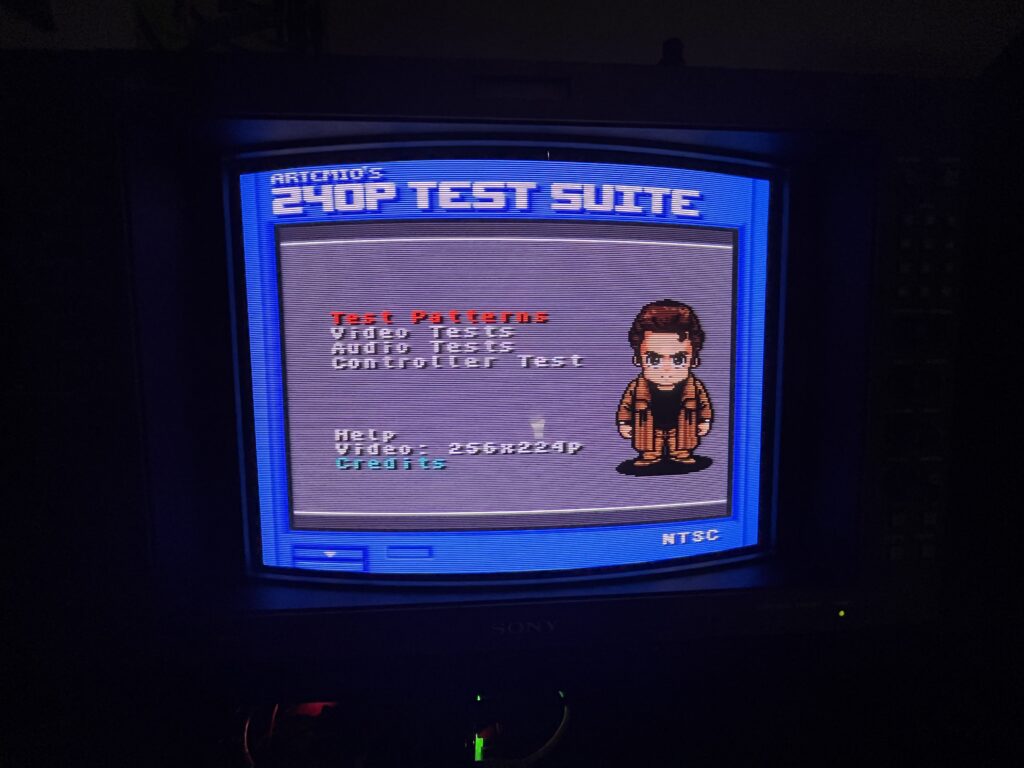
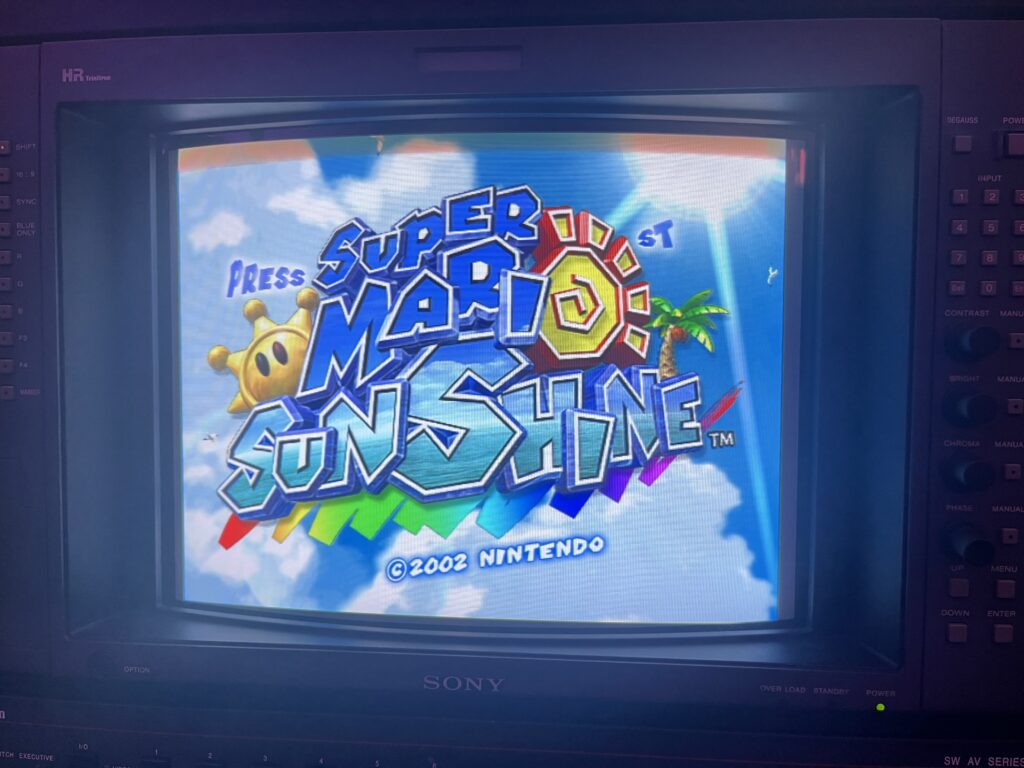
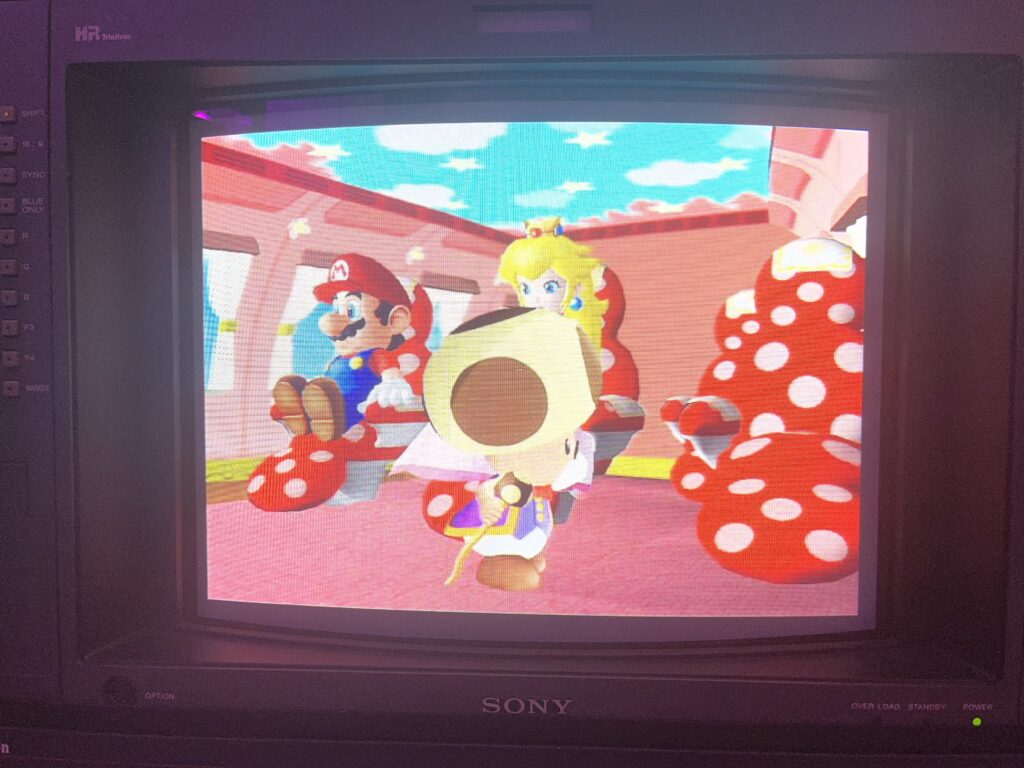
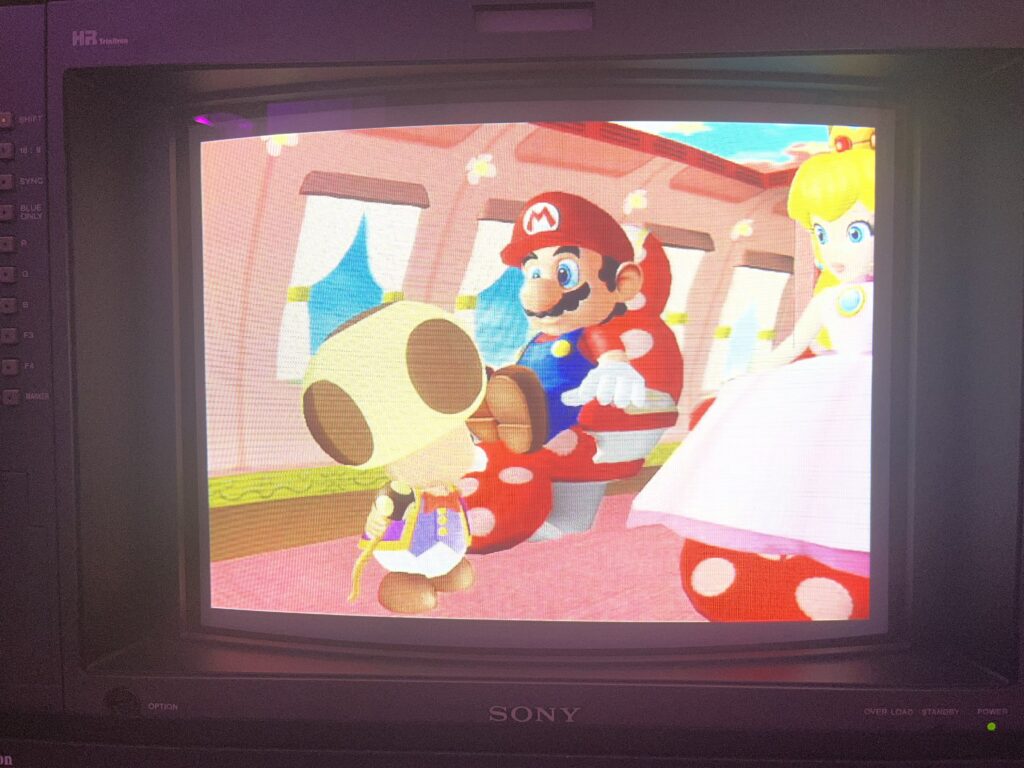
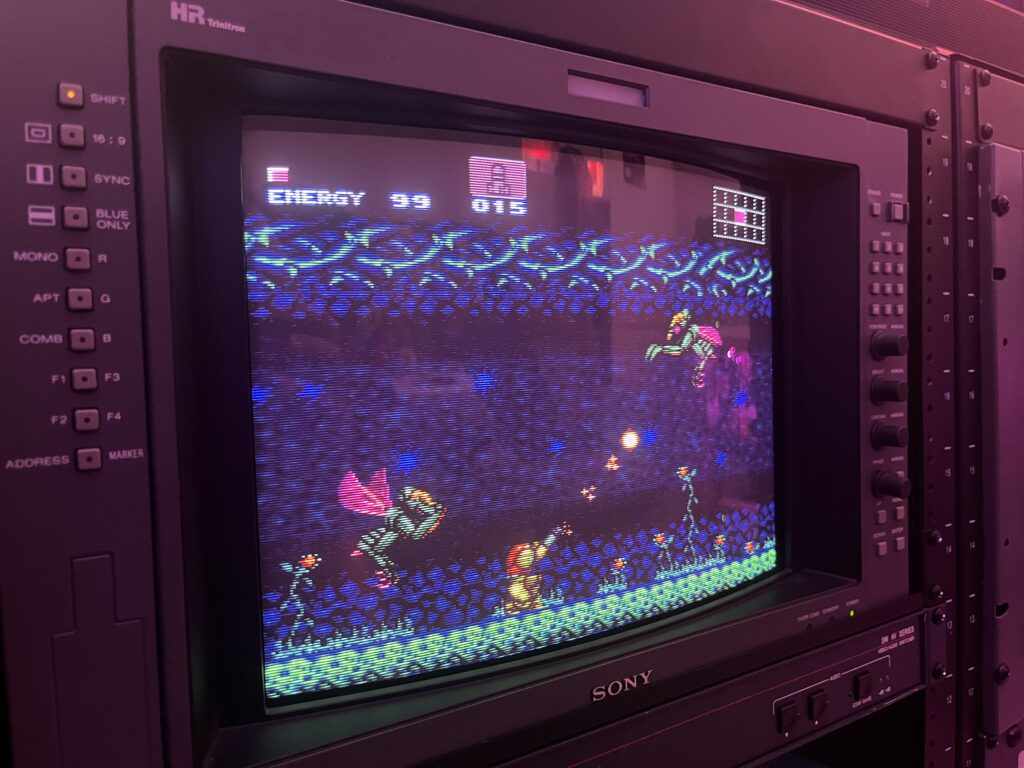
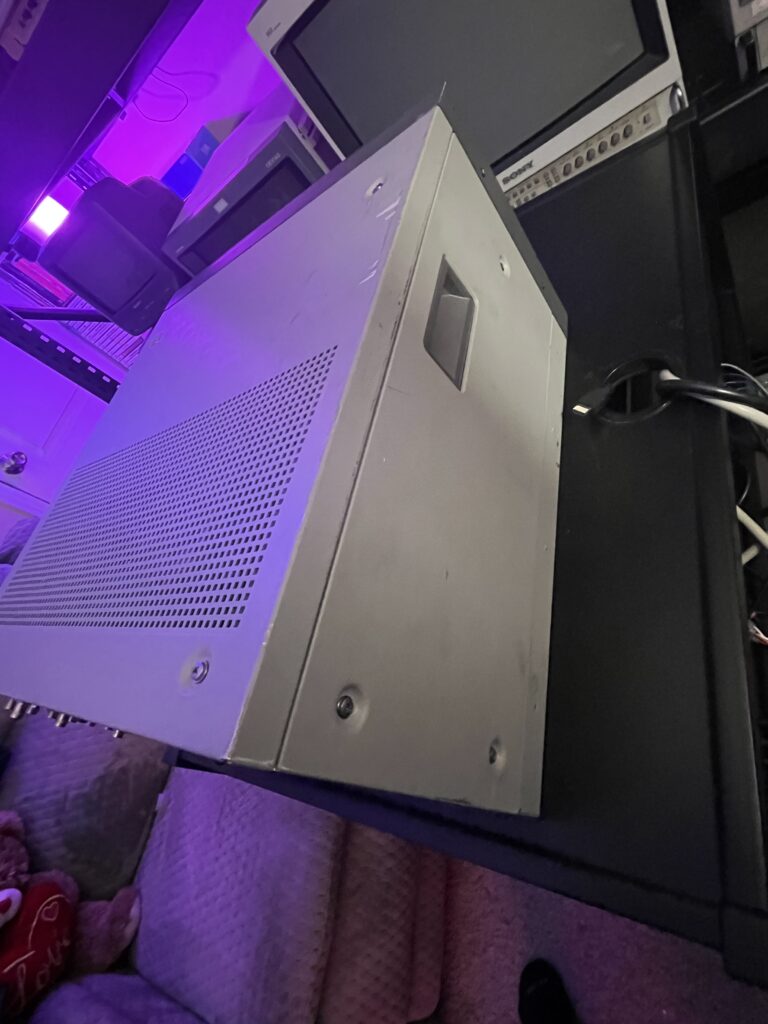
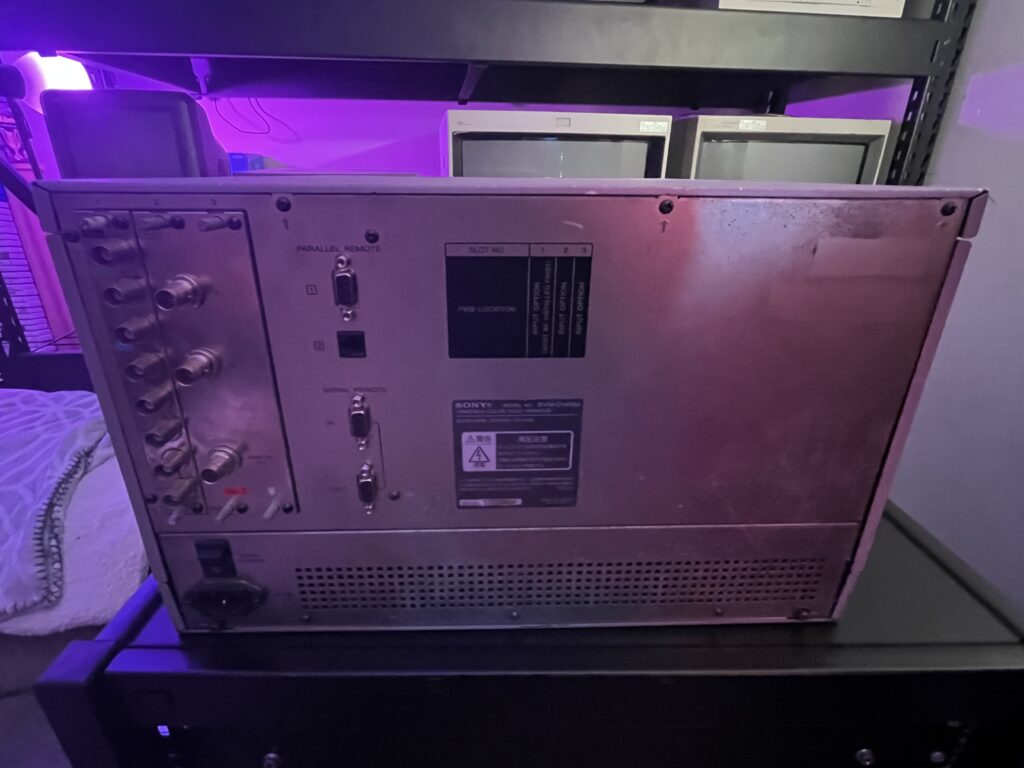
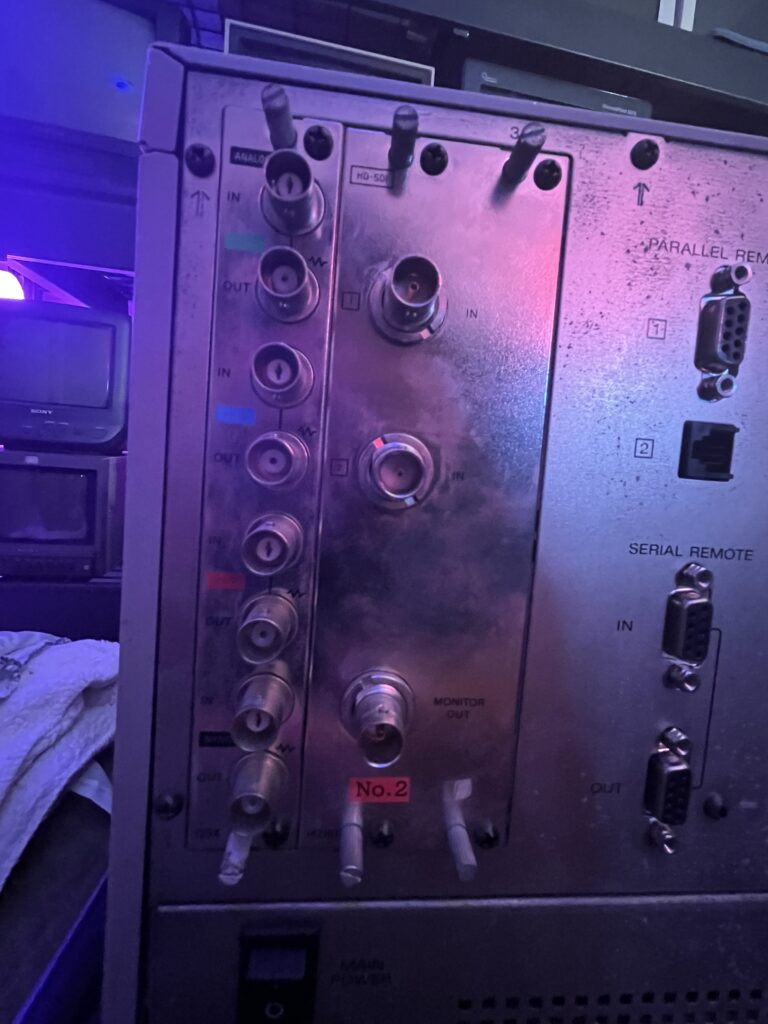
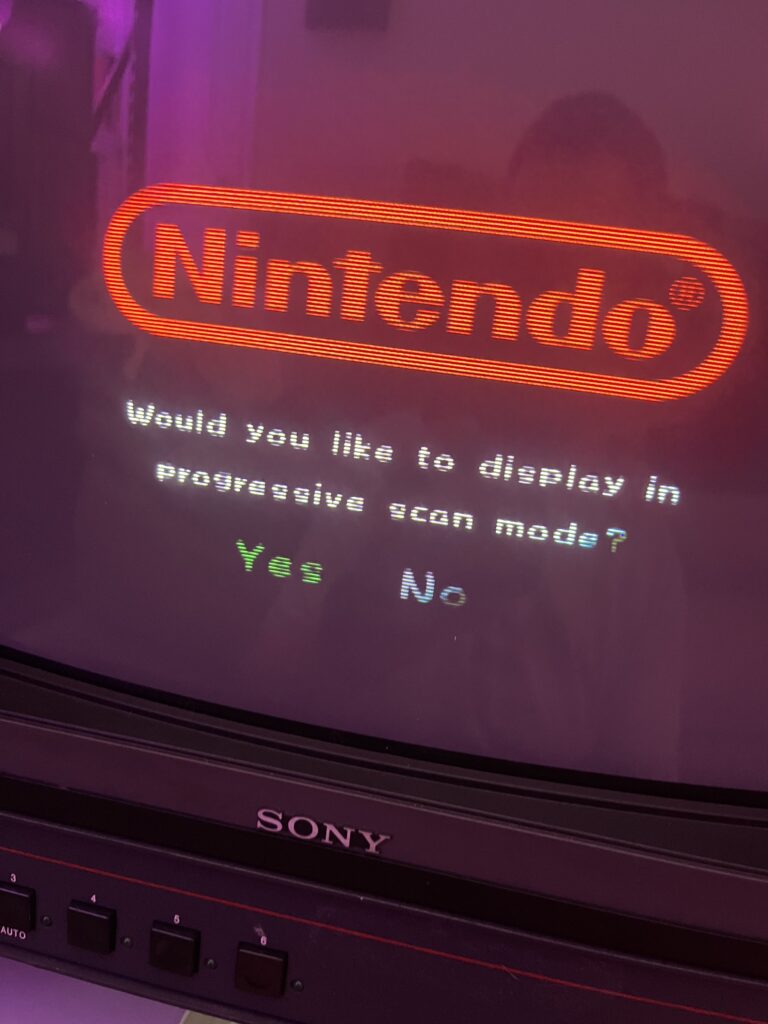
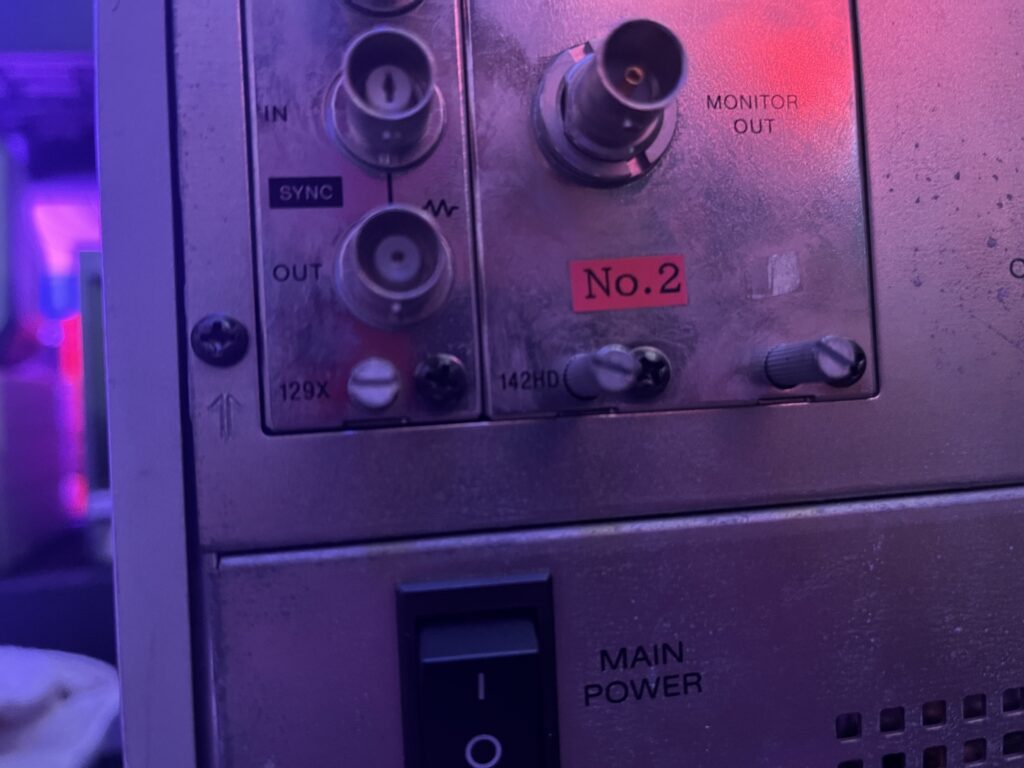
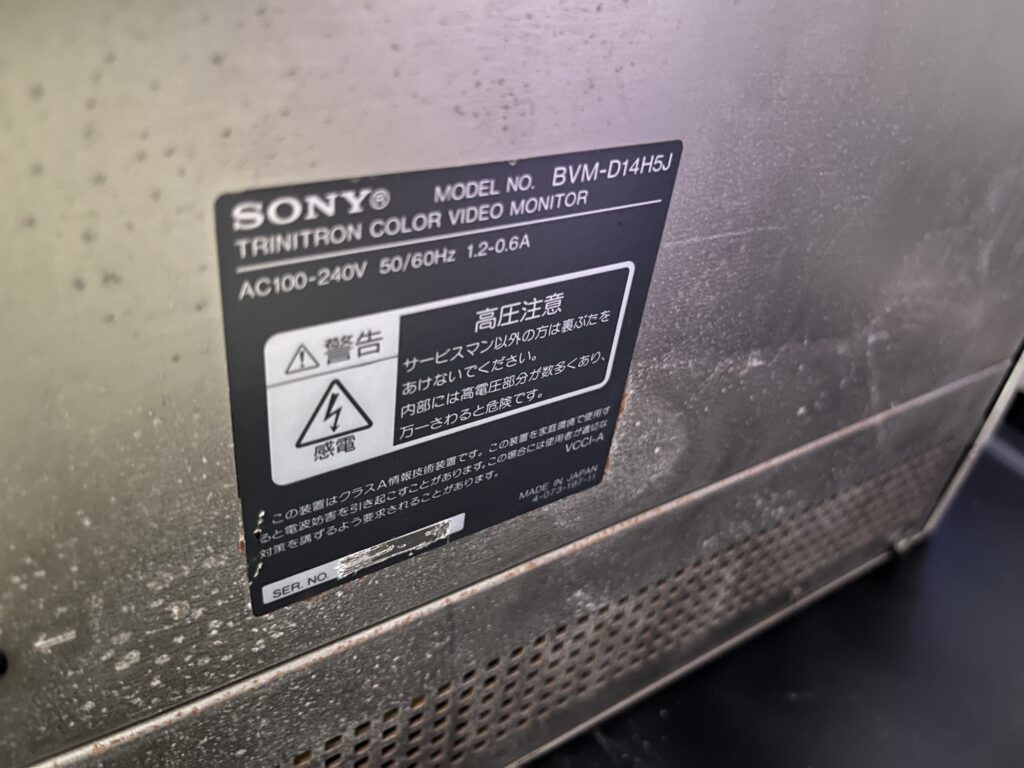
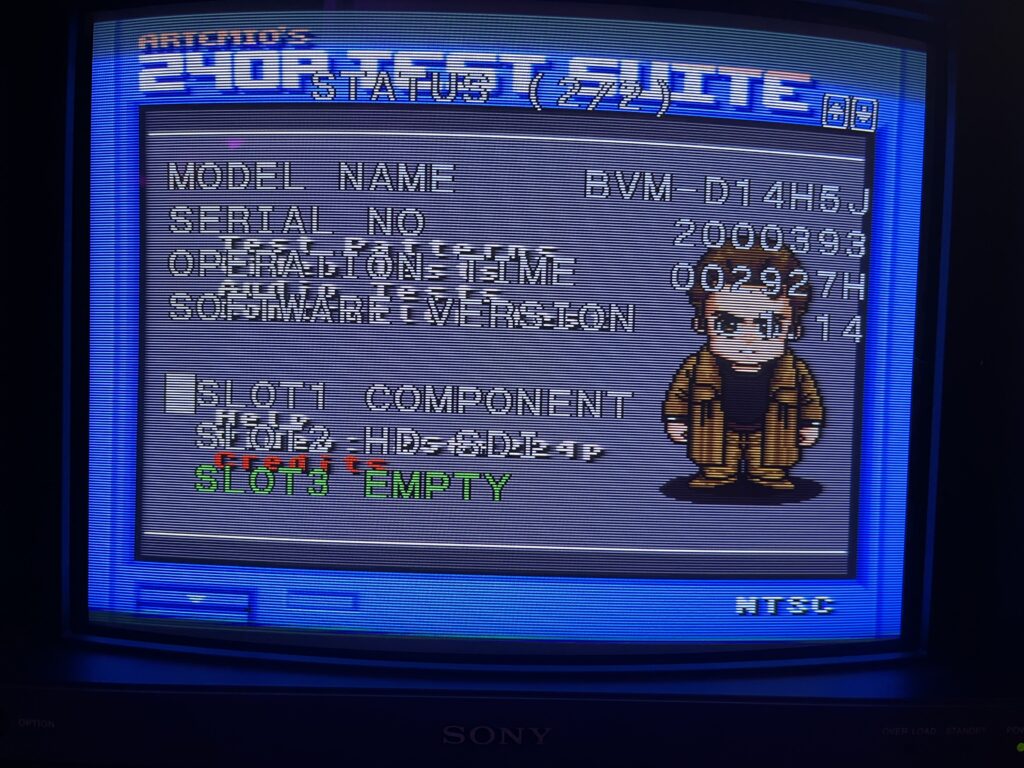
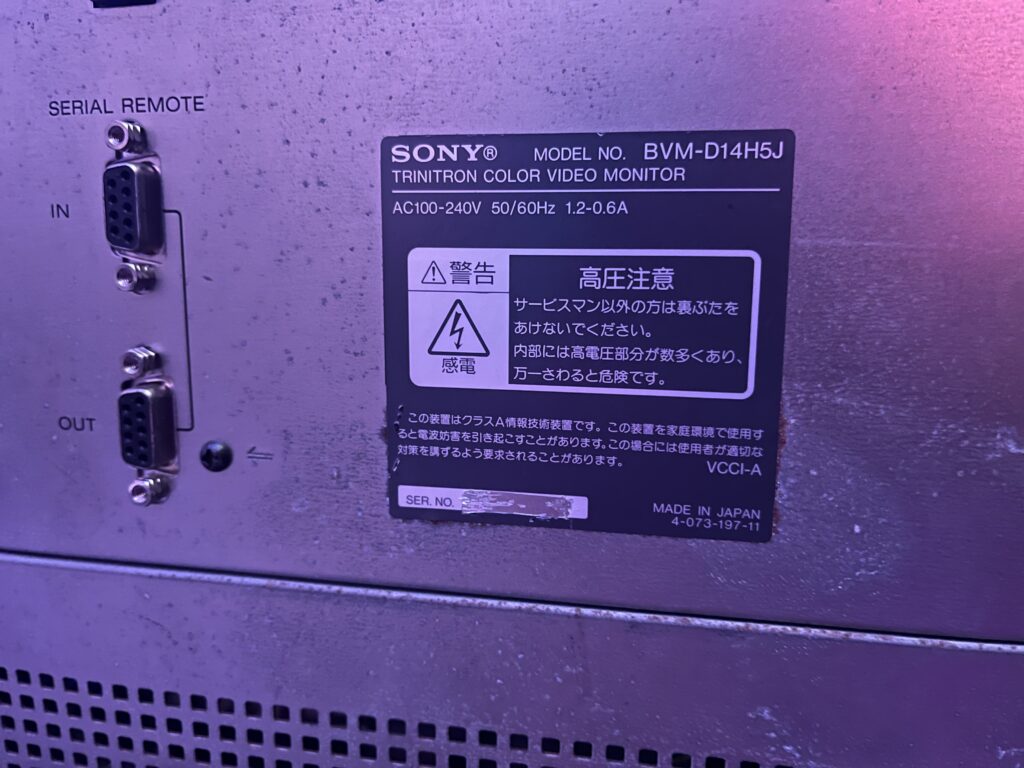
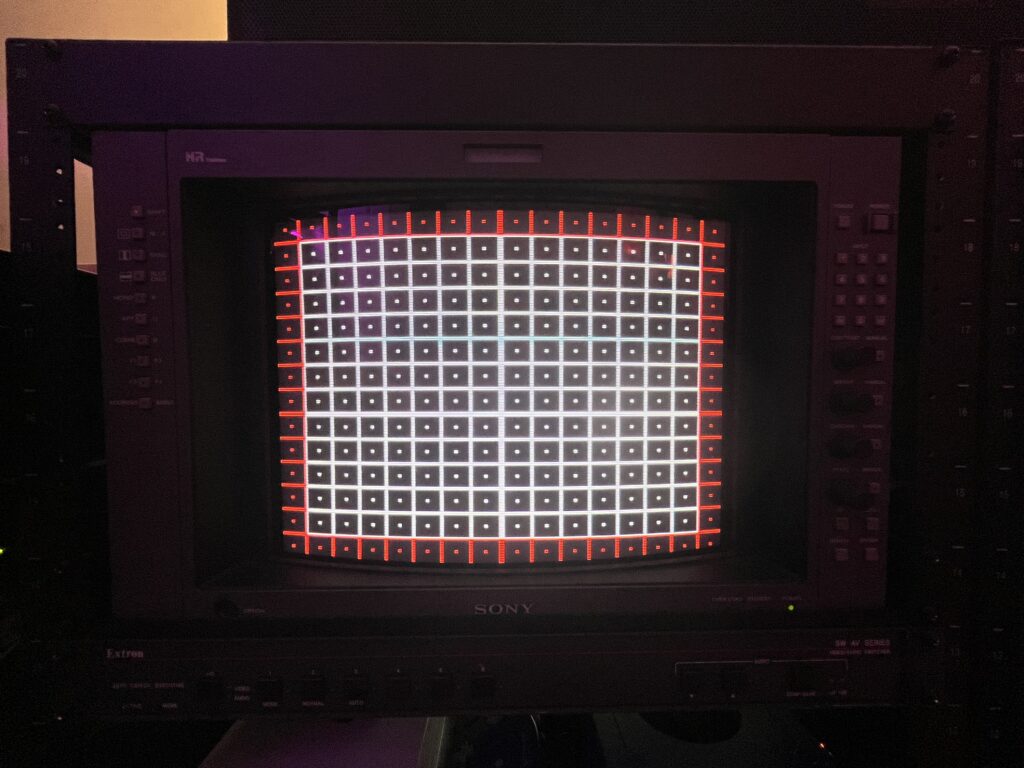
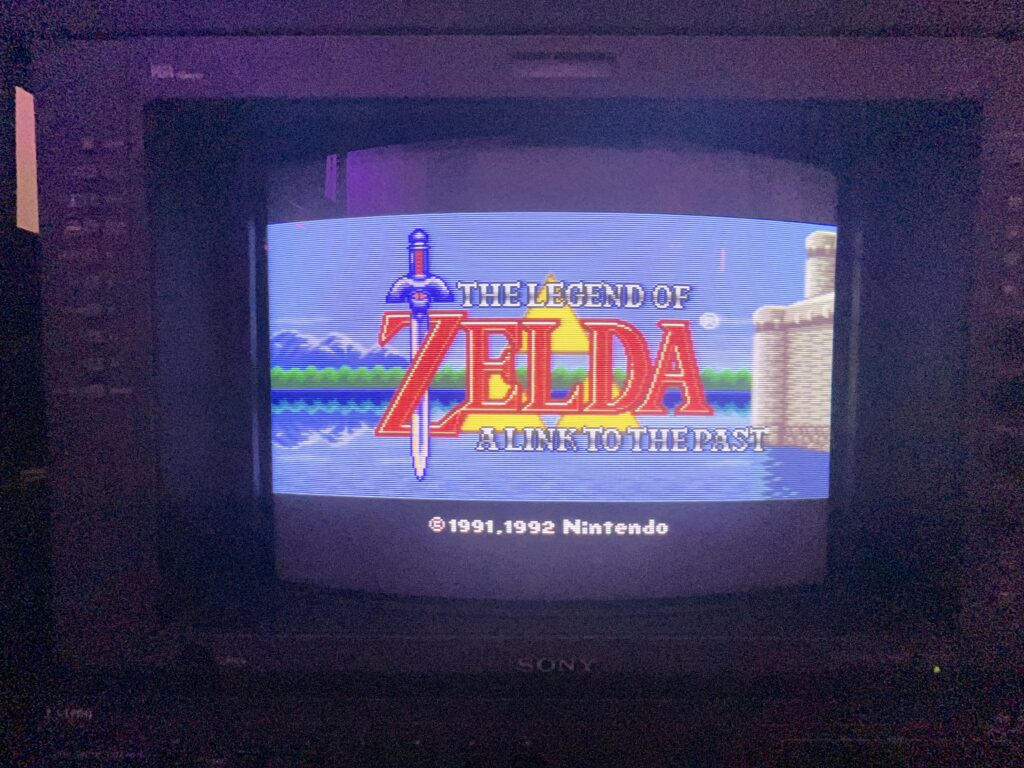
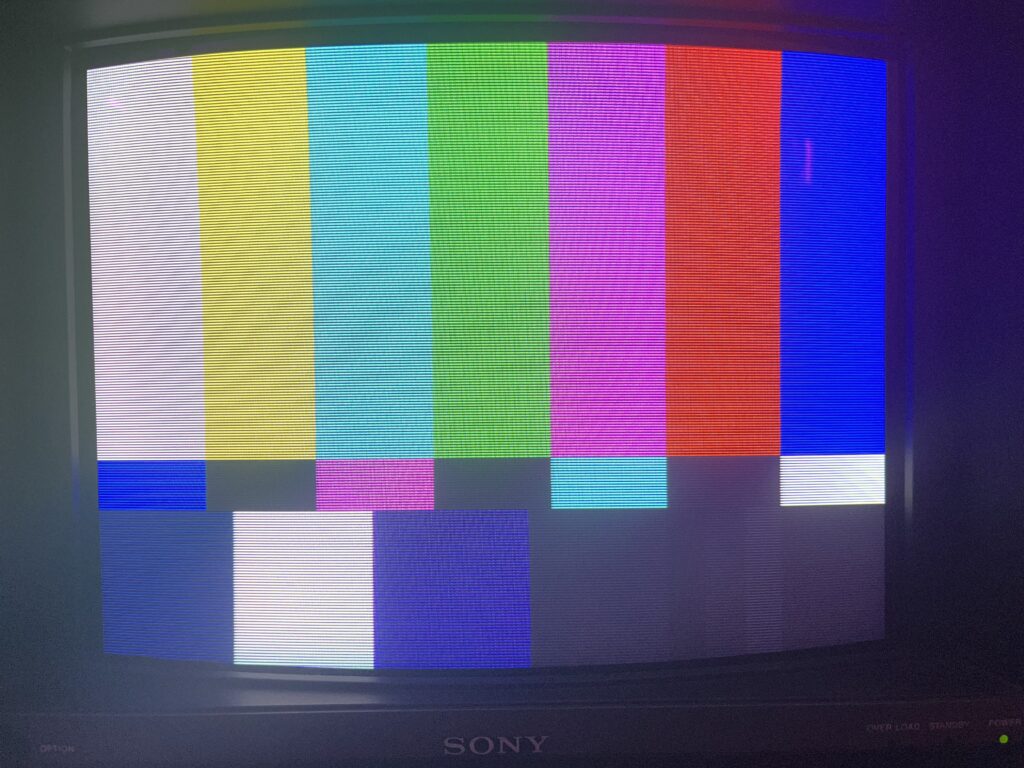
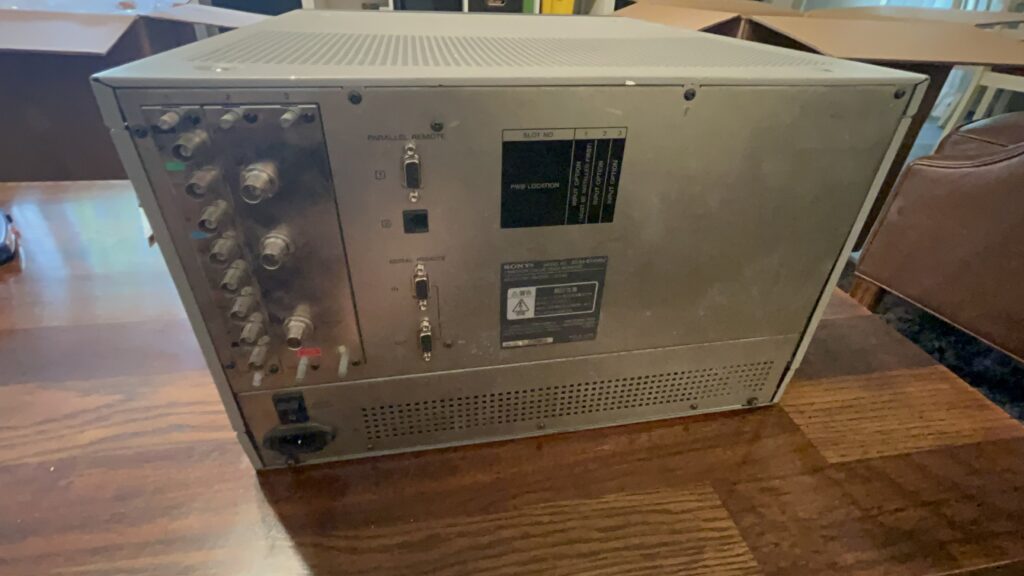
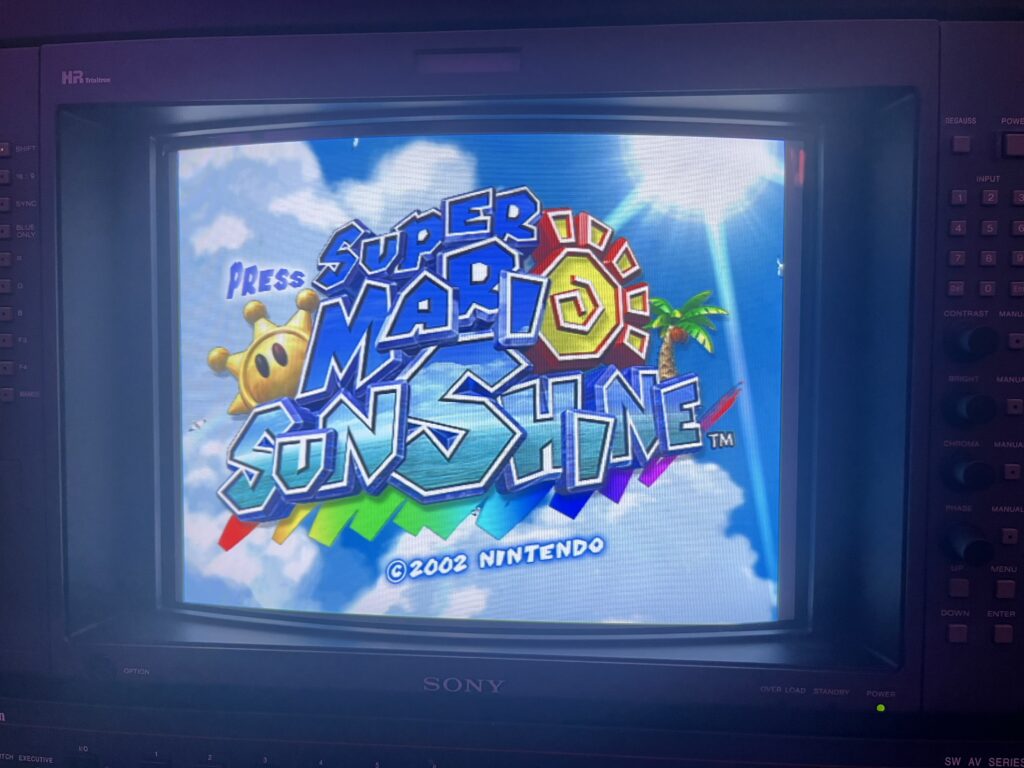
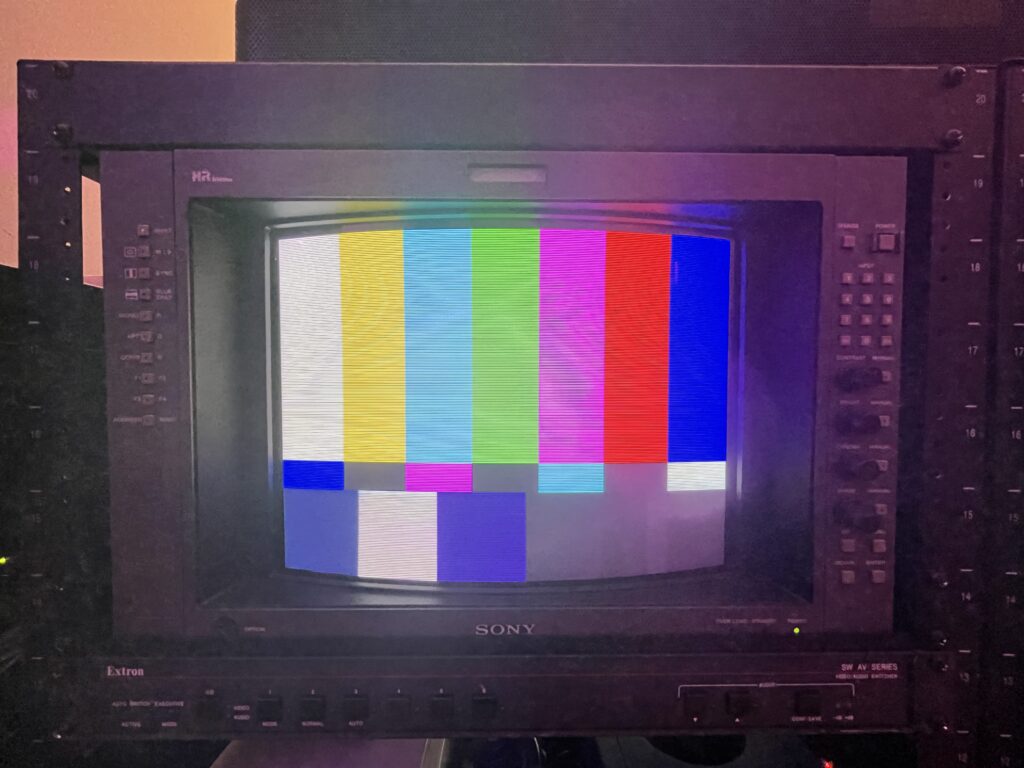
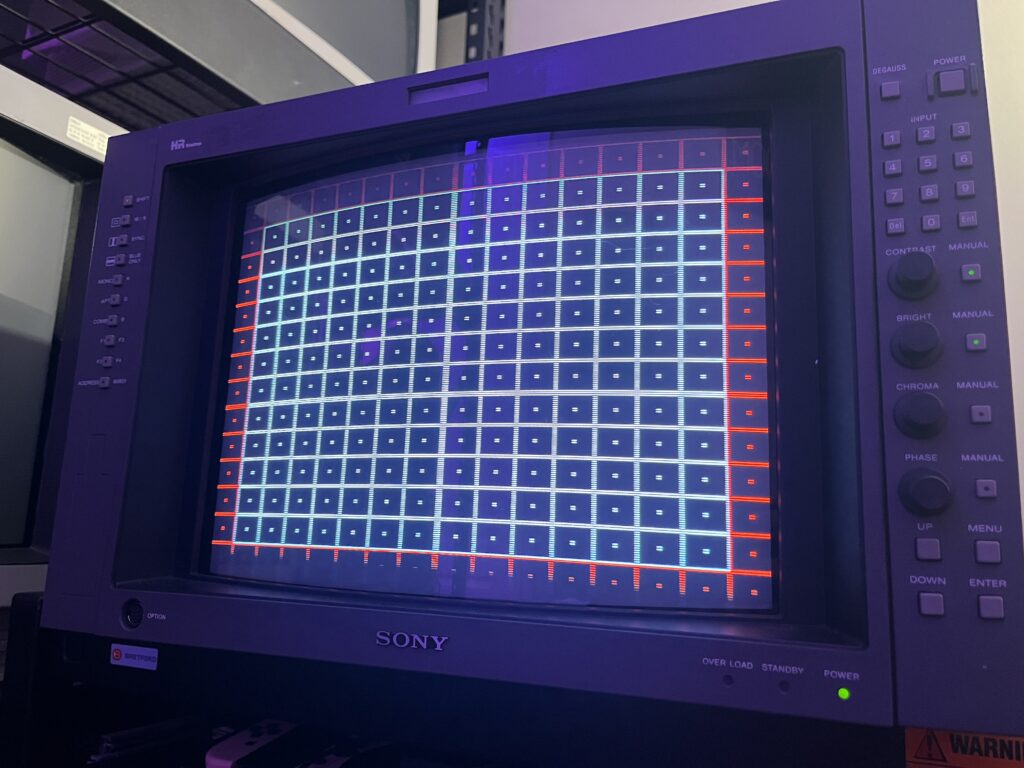
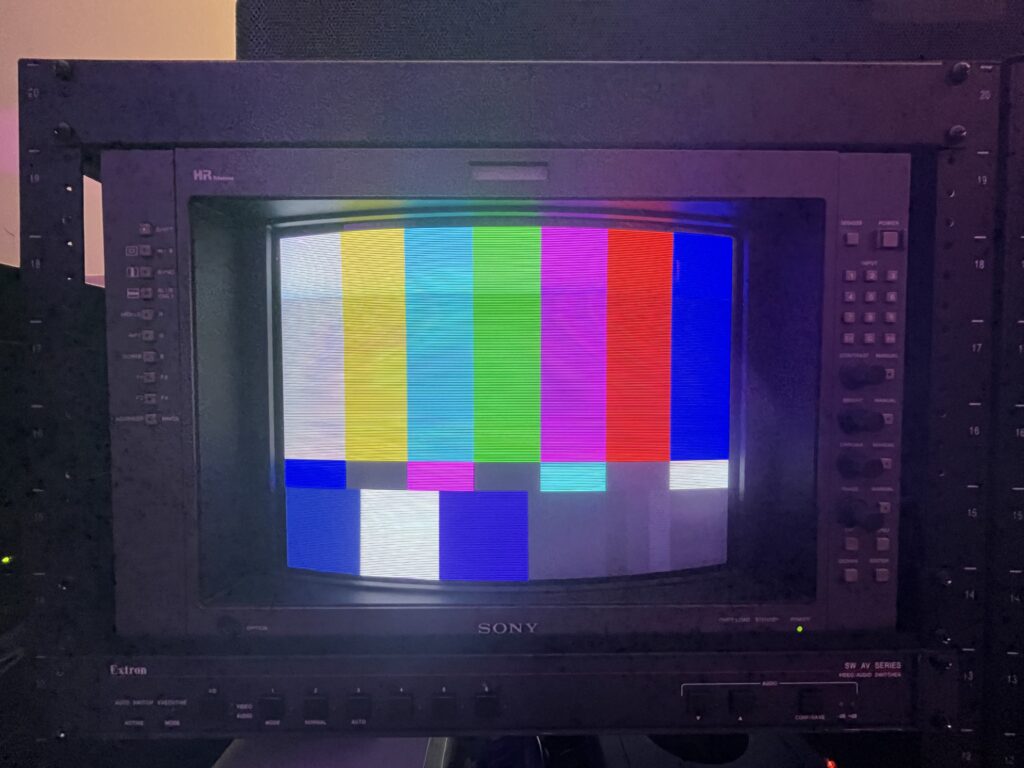
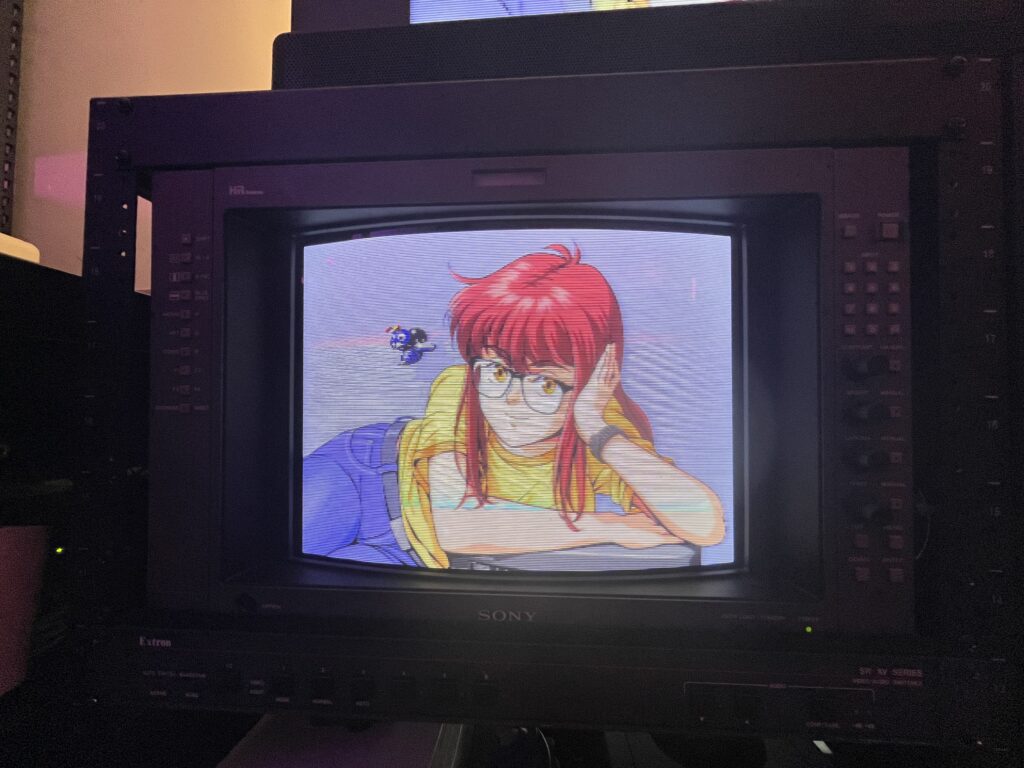
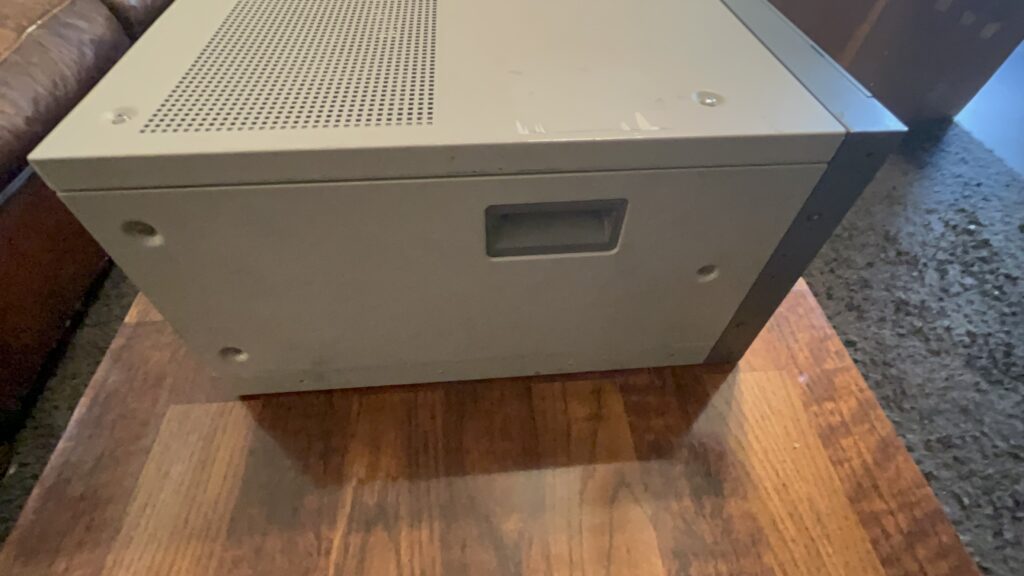
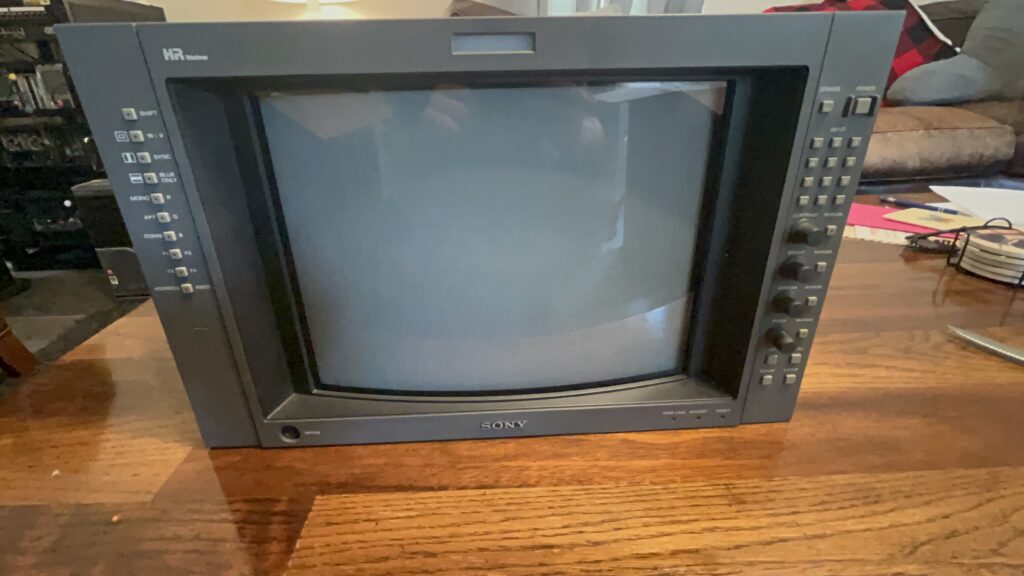
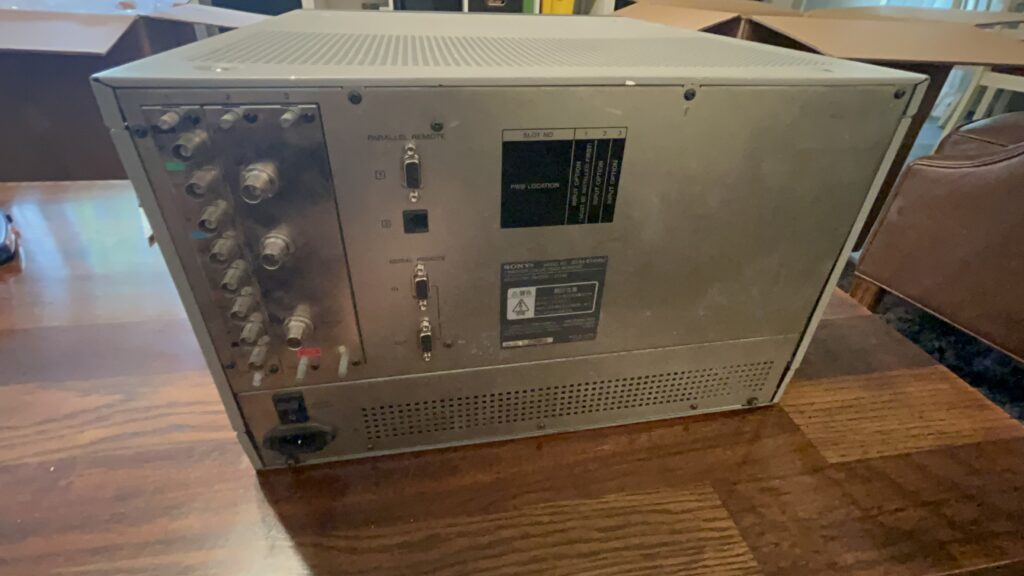
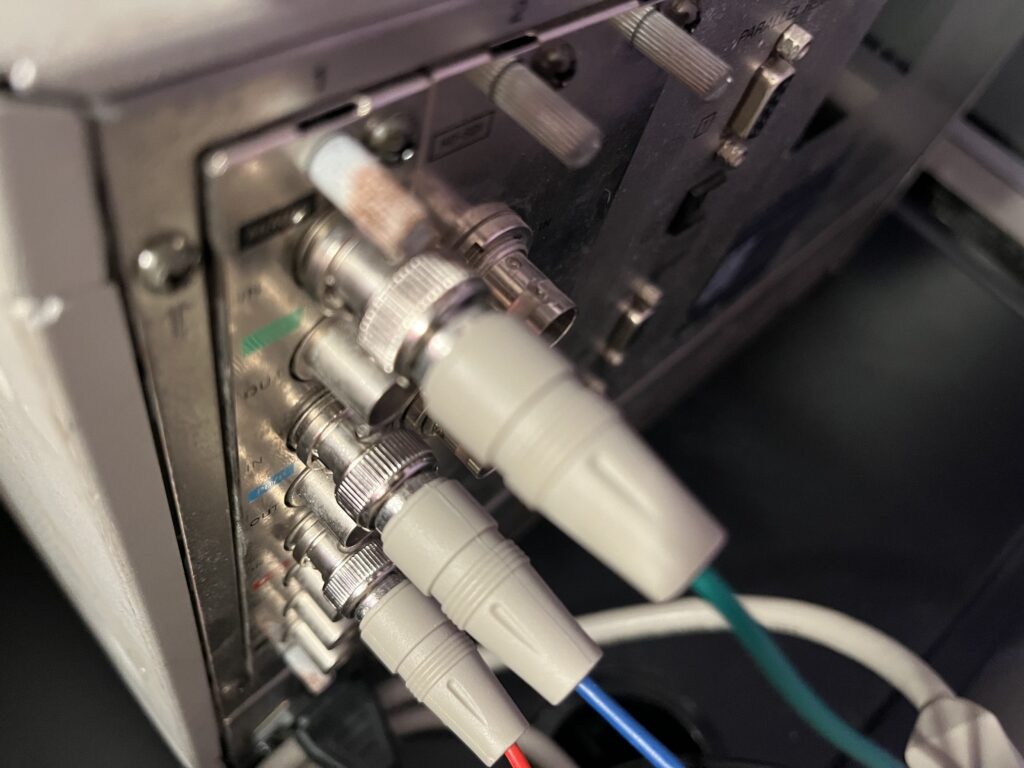
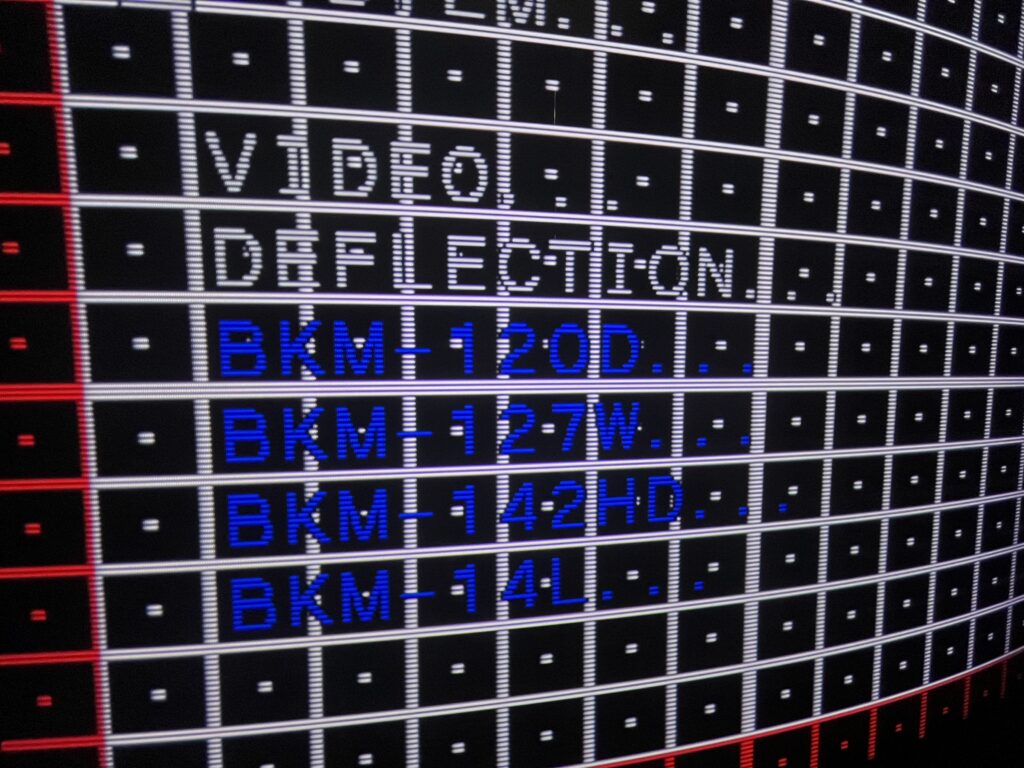
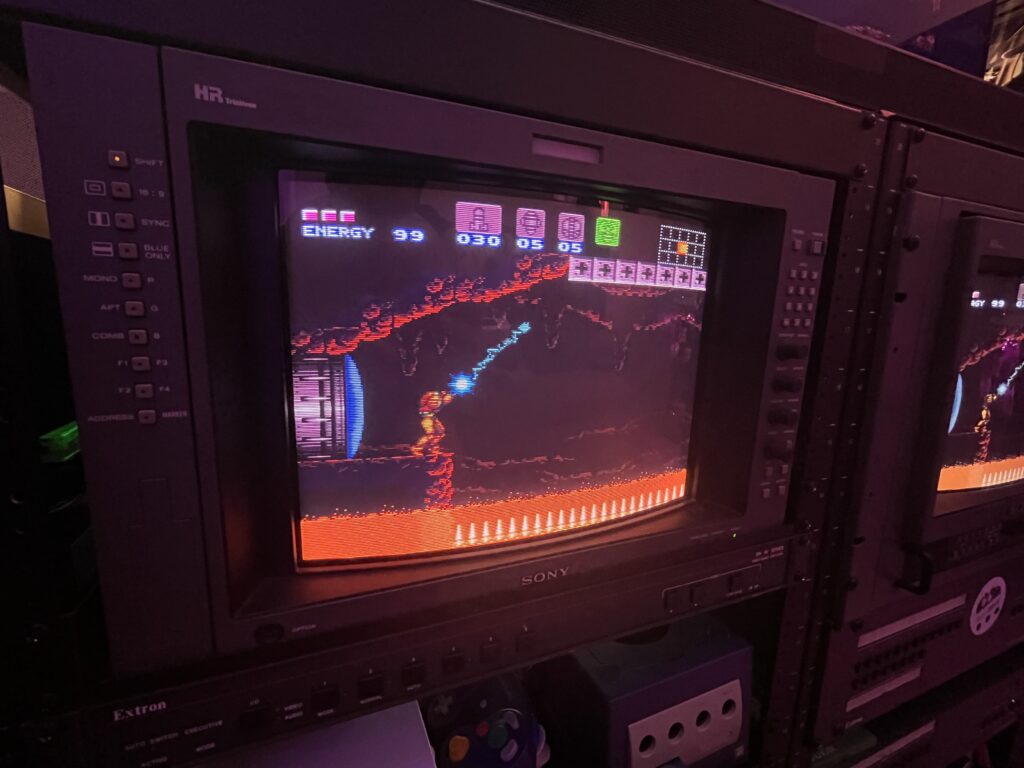
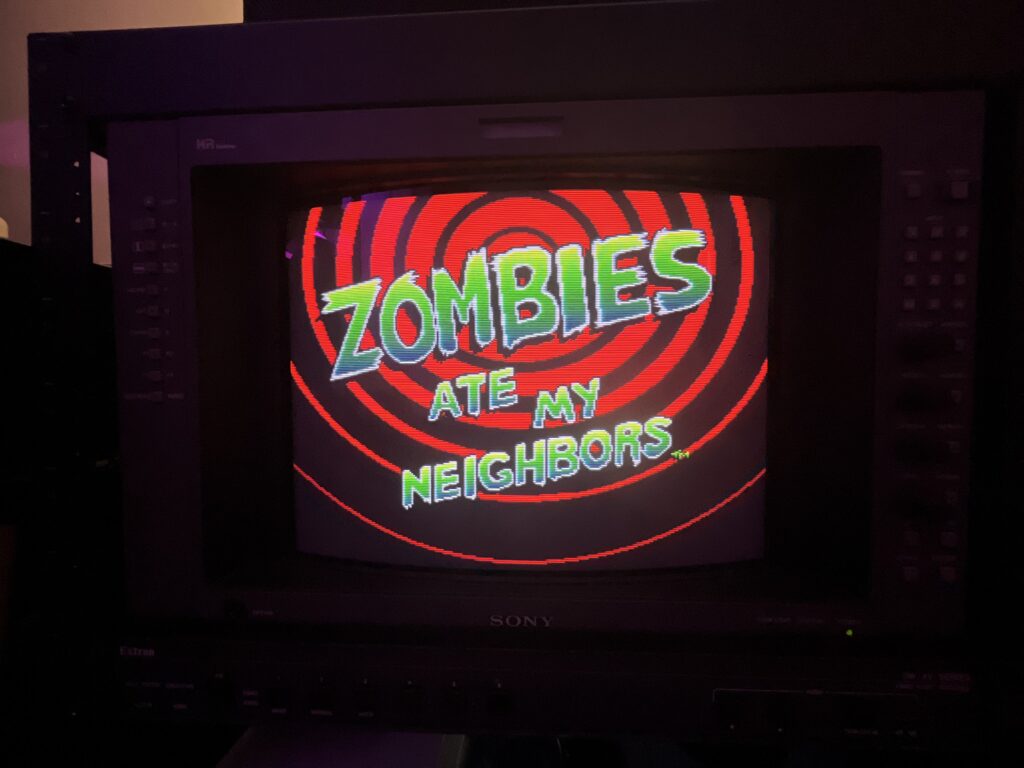
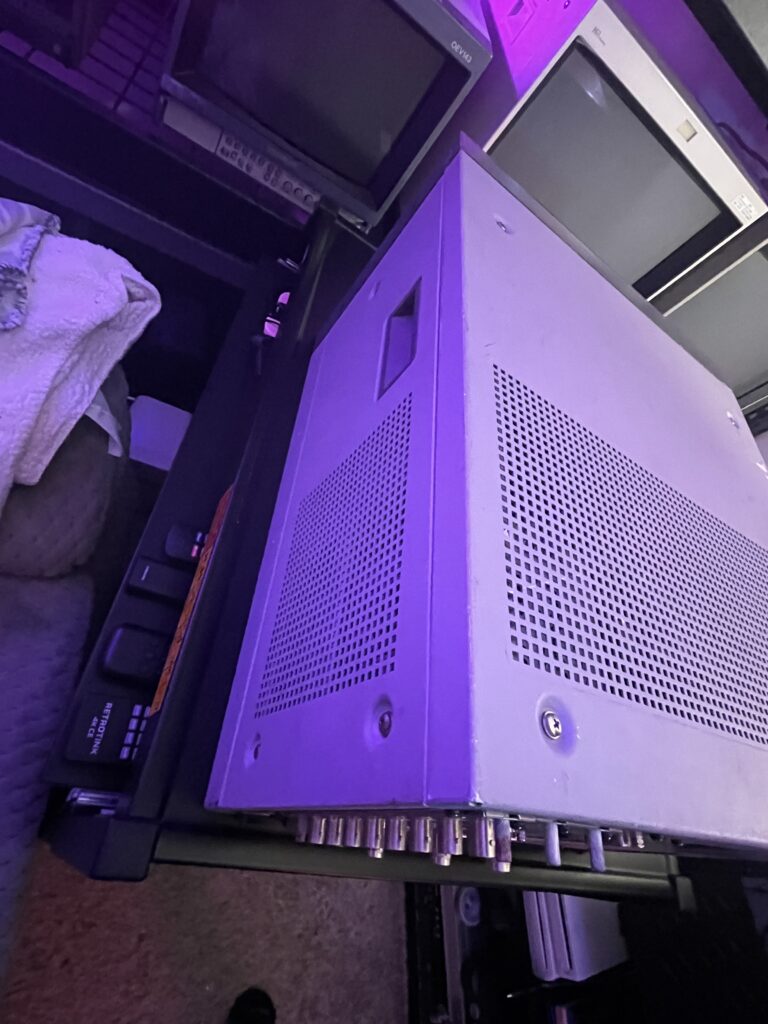
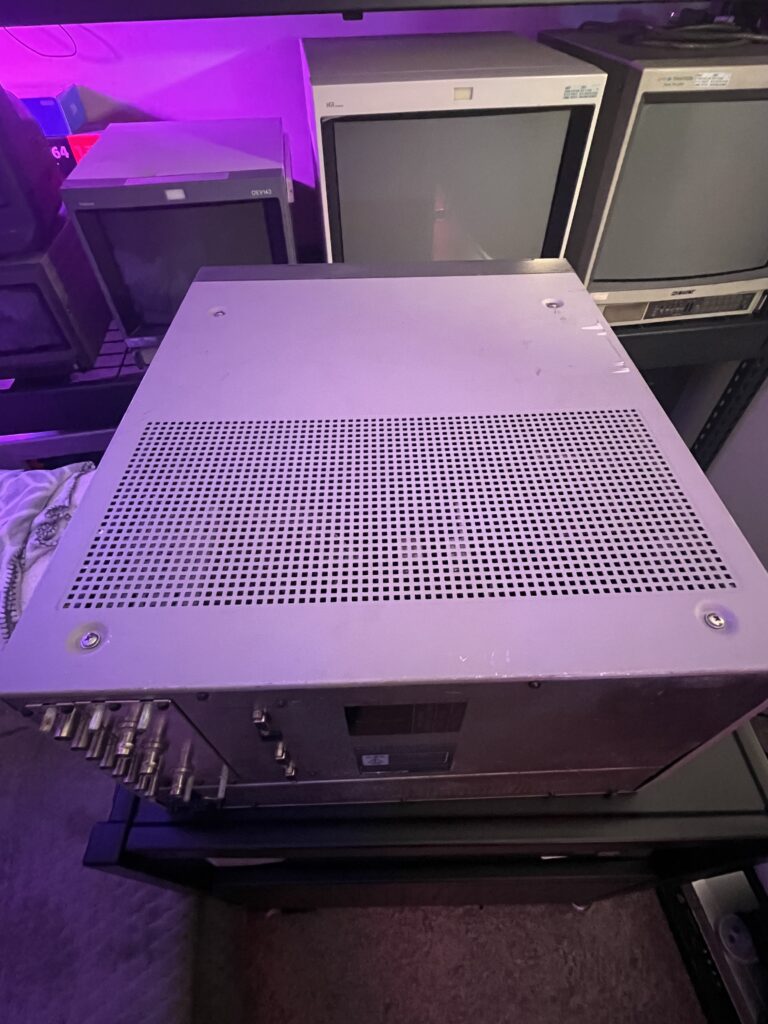
Well, I finally did it. After years of collecting CRTs, years of watching them skyrocket in price, years of telling myself that I didn’t need one, and years of sucking down propaganda online about whether they’re actually worth it, I landed my Holy Grail. A Sony BVM-D14H5J. A mythical monitor hidden away in a Japanese broadcast station.

Somehow this fourteen inch monitor has become one of the most sought-after CRTs ever made... So let’s get this out of the way right now.

I absolutely love this monitor.

I also absolutely hate this monitor.

Both of those statements are true.

The funny thing is that after finally owning one, I can confidently say that I’ve been right all along. Earlier this year I wrote an article about the “Poor Man’s Multiformat BVM” where I argued that a good PC CRT and a scaler could get you shockingly close to the experience people spend thousands of dollars chasing. I got some pushback for that opinion when nonchalantly mentioning it in conversation. After finally bringing a real BVM into the collection, setting her up, playing games on her, and living with her for a while, I believe it more than ever. That’s not me saying the BVM isn’t better because she ABSOLUTELY is but I am implying That the internet acts like the gap is enormous when it really isn’t.

Take my PVM-14M4U for example. This is where things start getting uncomfortable for the internet. If I put the M4U and the D14 side-by-side and feed them 240p RGBS from a Super Nintendo, I genuinely don’t think most people could tell you which monitor is which. Both are 800 TVL. Both are incredibly sharp. Both have excellent color reproduction. Both produce that razor-sharp professional monitor look people chase in the first place.

The D14 still has advantages, especially once you start talking about signal flexibility and higher resolutions, but for pure 240p gaming the difference is nowhere near what I expected after years of hearing people worship these things online. BUT MULTIFORMAT… MULTIFORMAT!!!! And that’s really what a BVM is and what makes it so special. Native multiformat.
Nobody wants to hear that because it ruins the mythology, but it’s true.
The D14 isn’t ten times better than a good PVM.
It isn’t ten times better than a good VGA monitor.
It isn’t ten times better than a late-model consumer Trinitron.
It’s just a little better at everything.
A little sharper.
A little cleaner.
A little more flexible.
A little more accurate.
A little more ridiculous.

Oh boy. Let’s talk about the price, this is where the BVM becomes completely irrational. For the cost of a clean D14 today you could buy a fantastic PVM, a fantastic PC CRT, a scaler, a stack of consoles, and probably still have money left over. THATS MY WHOLE POINT. A PVM-14M4U and a solid PC CRT like.... maybe my SB70 or 200sx and a RetroTink2x pro and BOOM you've covered your bases! Sure its not ONE monitor its TWO but from a value perspective the D14 makes absolutely no sense whatsoever. It is one of the worst values in the entire CRT hobby. And yet… I still wanted one. You still want one. Everybody reading this still wants one.
It’s about history.
It’s about engineering.
It’s about owning something that was never intended for people like us.
Sony built this thing for television stations. Engineers. Production trucks. Broadcast environments. They never expected some obsessed lunatic like me to drool over it in my little bedroom sized game room.
That’s why I love her… because she’s completely unnecessary.
My PVM-14M4U is a little more than practical. My PC CRTs are practical. The BVM is the monitor equivalent of buying a Ferrari to ONLY drive to the grocery store…..
It solves a problem that didn’t exist in the first place….
The biggest surprise wasn’t how good the BVM looked. The biggest surprise was how good my PVM already was. For years the internet had convinced me there was this massive gulf between a professional monitor and a broadcast monitor. Then I finally put them side by side and realized my PVM-14M4U had been quietly sitting there doing about 95% of the same job the entire time. At 240p, both monitors are 800 TVL and both produce an image that is so absurdly sharp that arguing over which one looks better starts feeling more like religion than science. I practice that religion. I love this monitor.... but I don't NEED this monitor.

9.9/10
Brand:
Sony
Manufacturer:
Sony
Model:
D14H5U
Series:
BVM
Viewable Size:
13″
Input Signals:
Composite, S-Video, Component YPbPr, RGB, SDI
Sync:
CSYNC, Sync on Green, Sync over Composite, Sync on Luma
Native Resolutions:
240p, 480i, 1080i, 1440i, 480p, 720p, 576p
Linecount:
800 TVL
Horizontal Scan Range:
15 kHz, 45 kHz
Vertical Scan Range:
50 Hz, 60 Hz
Formats:
NTSC, PAL, SECAM
Aspect Ratio:
4:3
Mask:
Aperture Grille
Adjustments:
OSD Customer Controls, OSD Service Menu
Removable Glare Film:
Yes
Sound:
Nah
Weight:
46 lbs (20.9 kg)
Application:
Professional Broadcast Monitor
Cabinet Material:
Metal
Launched:
1999
Country of Manufacture:
Japan
Market:
Japanese Commercial Market
Power Standard:
Universal
Mounting:
Rackable
Degaussing:
Auto-on power, Manual
CREDIT FOR THIS SPECIFICATIONS TABLE GOES DIRECTLY TO:
Portions of this page include archived materials, images, and reference content originally published by Sony. These assets were sourced from publicly available historical snapshots via the Internet Archive and are used for informational, educational, and preservation purposes only.

All trademarks, logos, and original materials remain the property of their respective owners. This site is an independent archival project and is not affiliated with or endorsed by Sony. If you are a rights holder and would like any material removed or credited differently, please contact me and I will address it promptly.
Many technical specifications listed on this site are sourced from the CRT Database. Their work documenting CRT displays is extensive, accurate, and incredibly valuable to anyone interested in this hardware.
Whenever specifications are used from their database, proper credit is given.
If you want deeper technical details on any CRT mentioned here, you should absolutely reference their site.