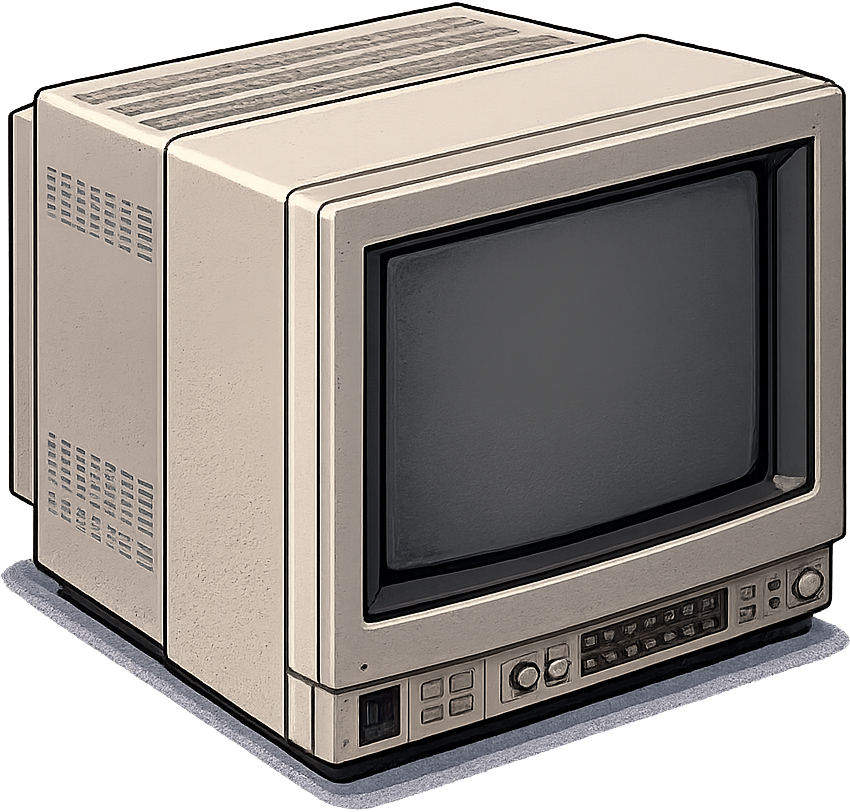
1995.

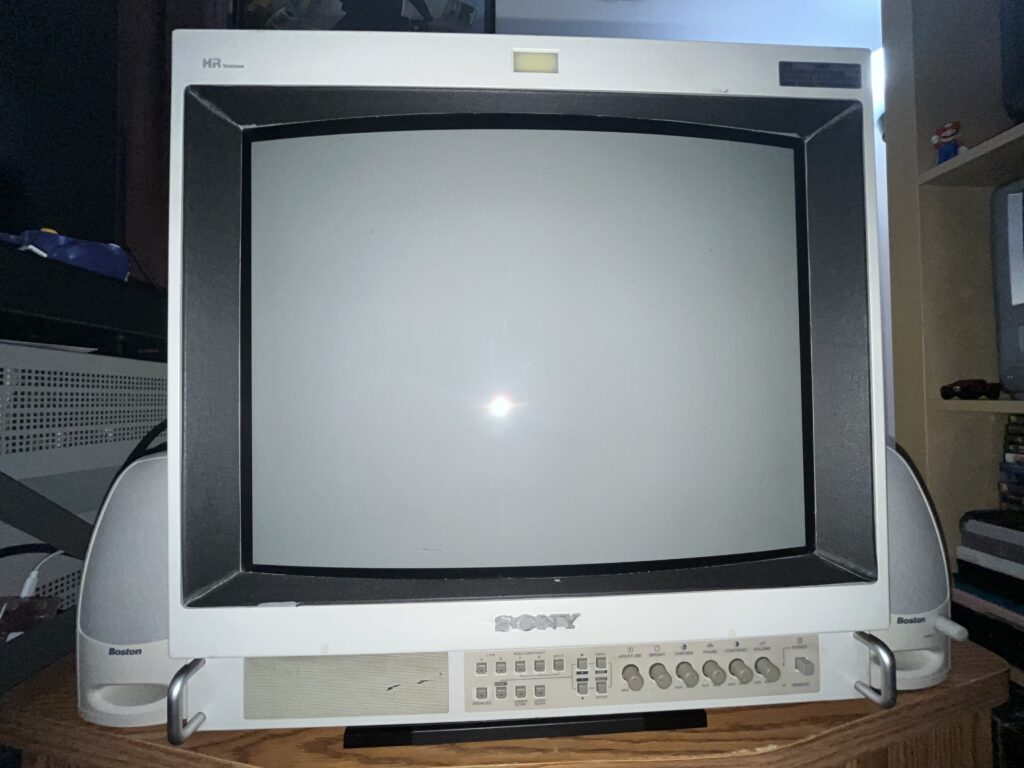
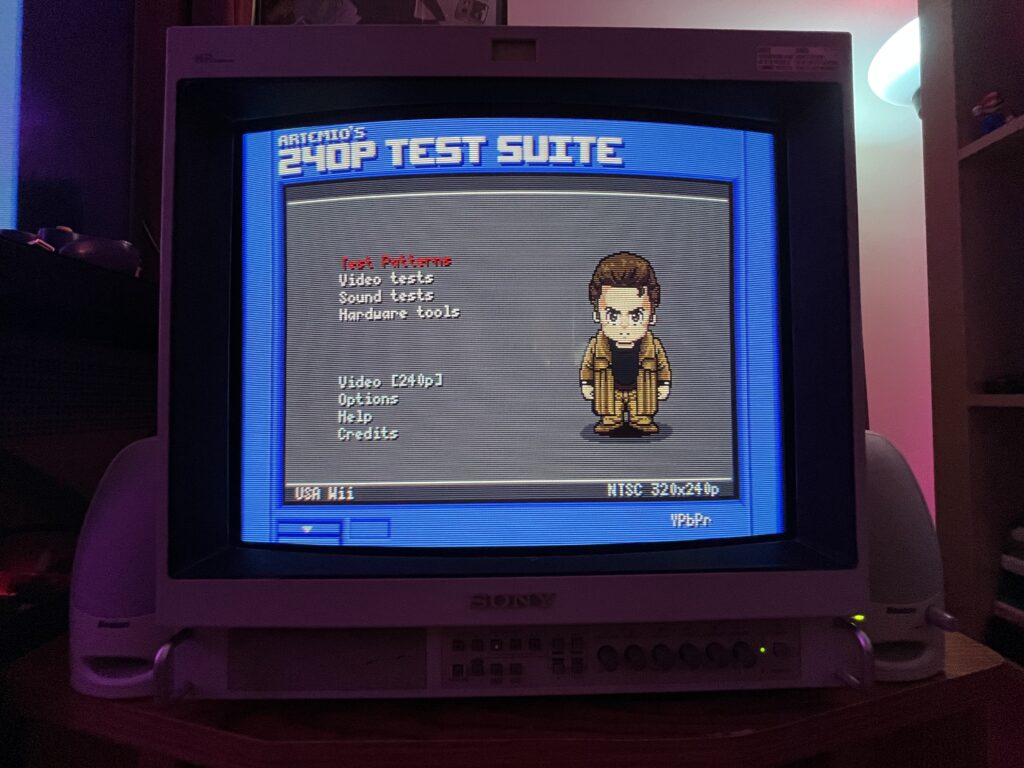
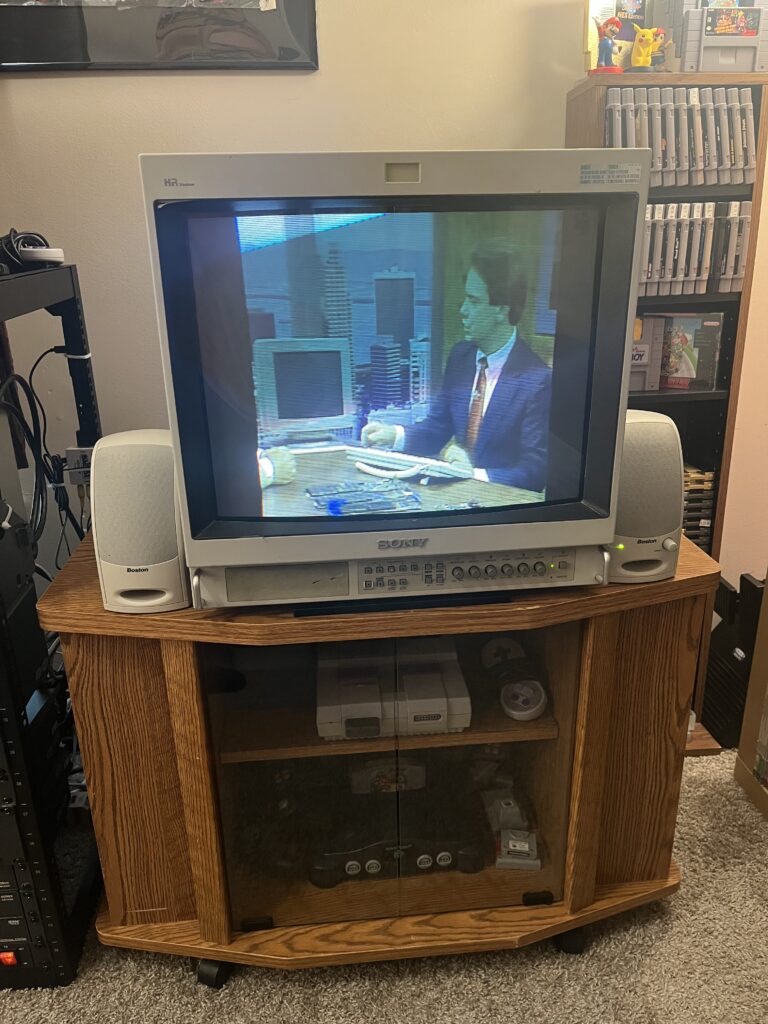
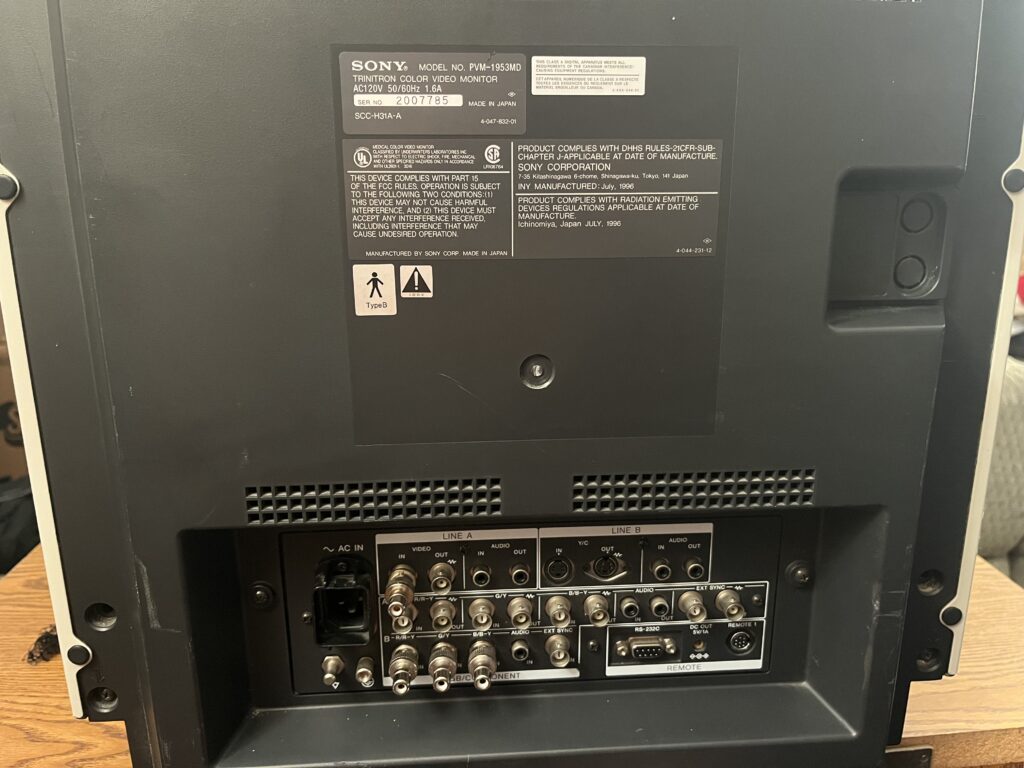
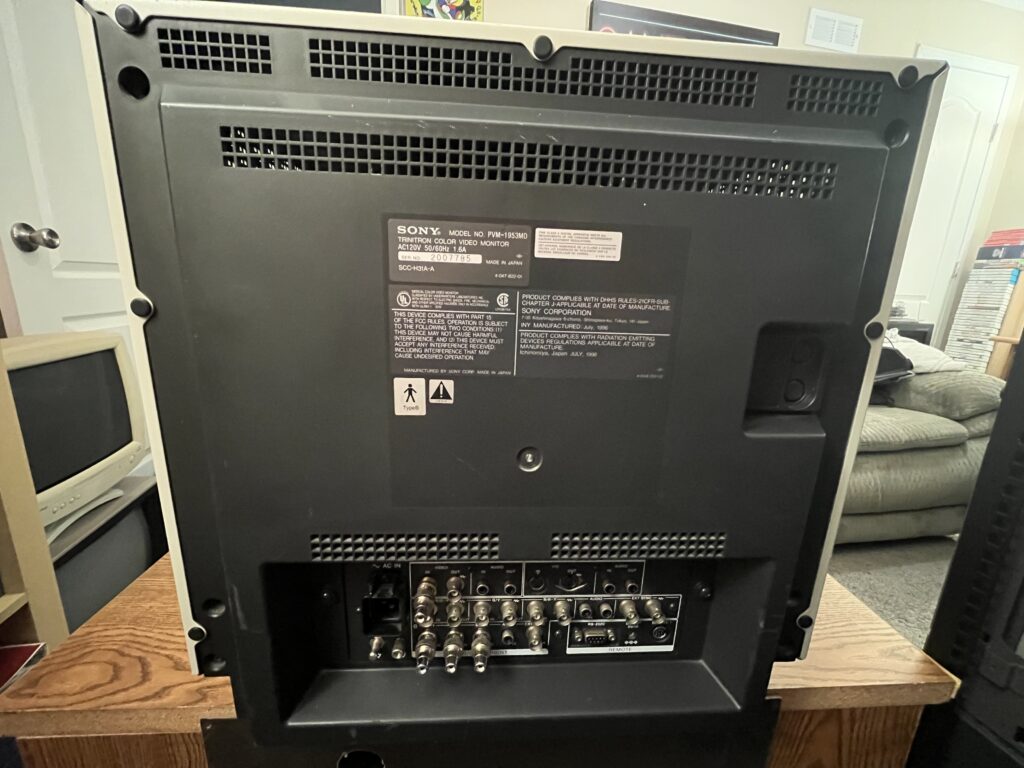
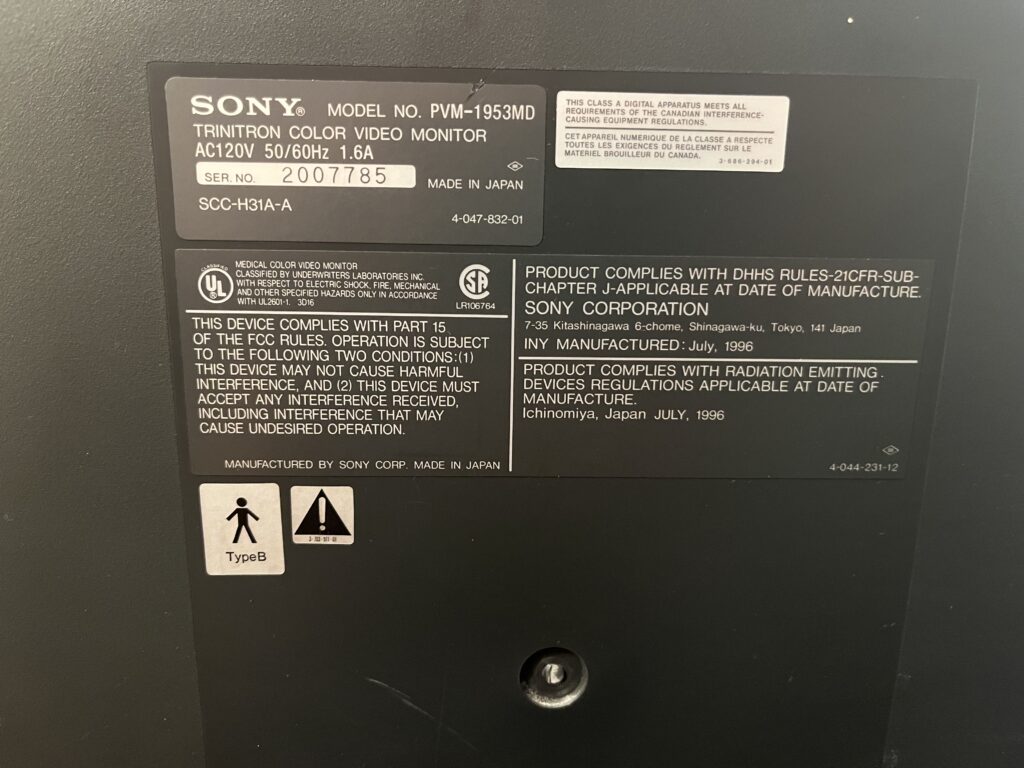
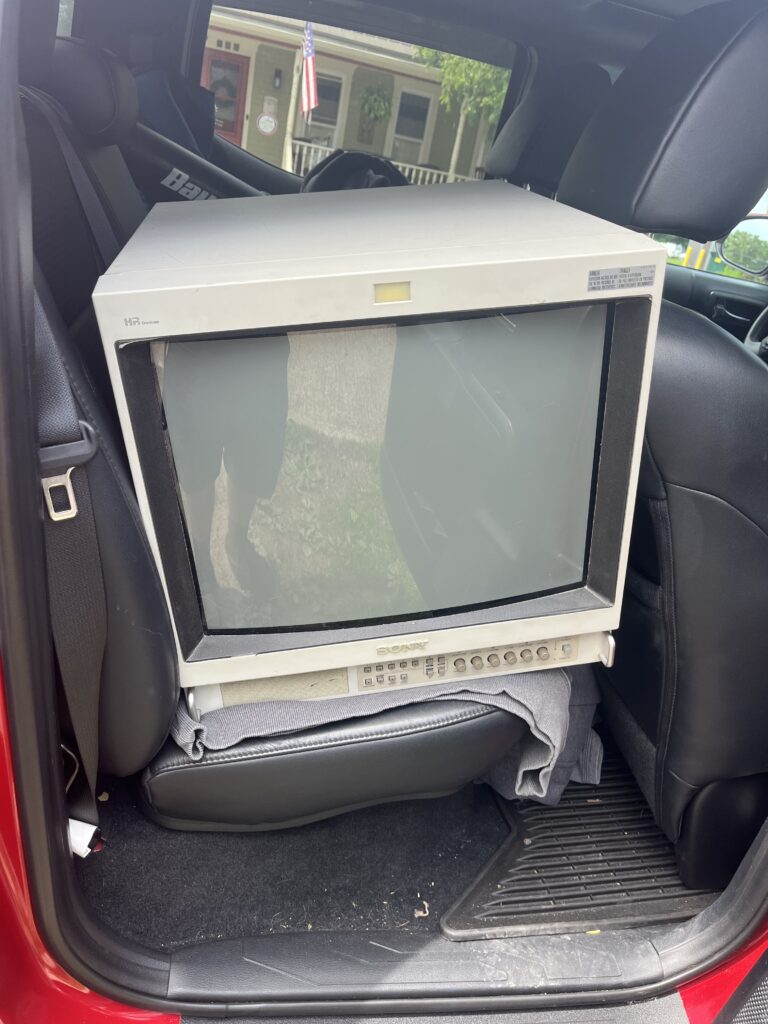
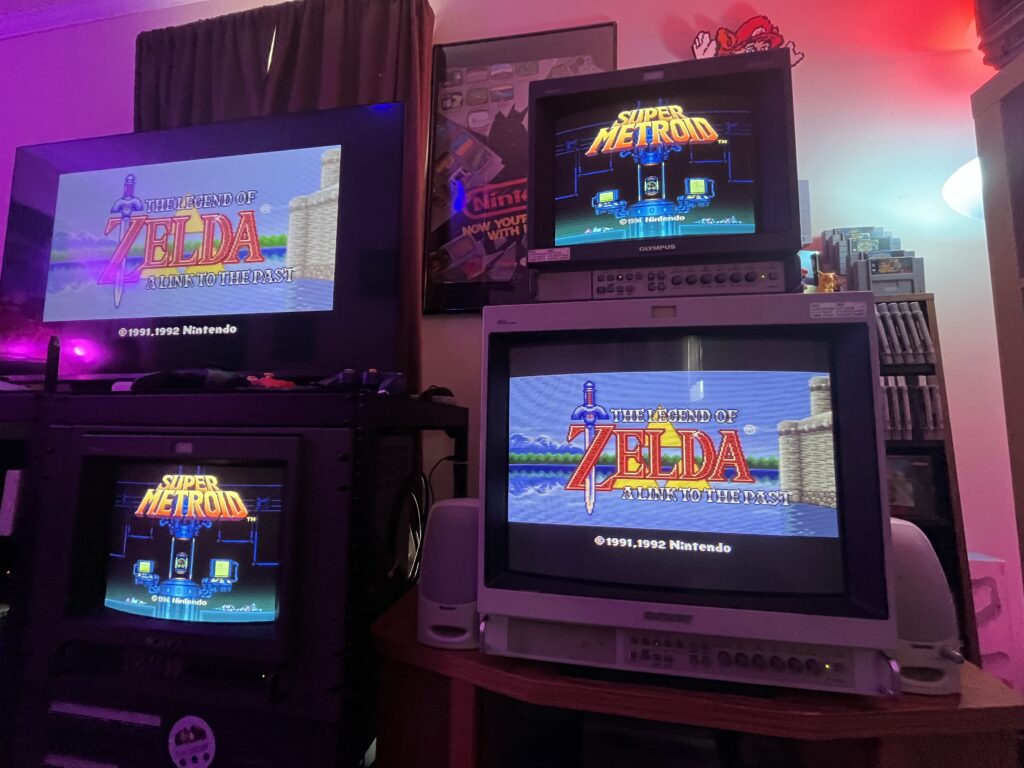
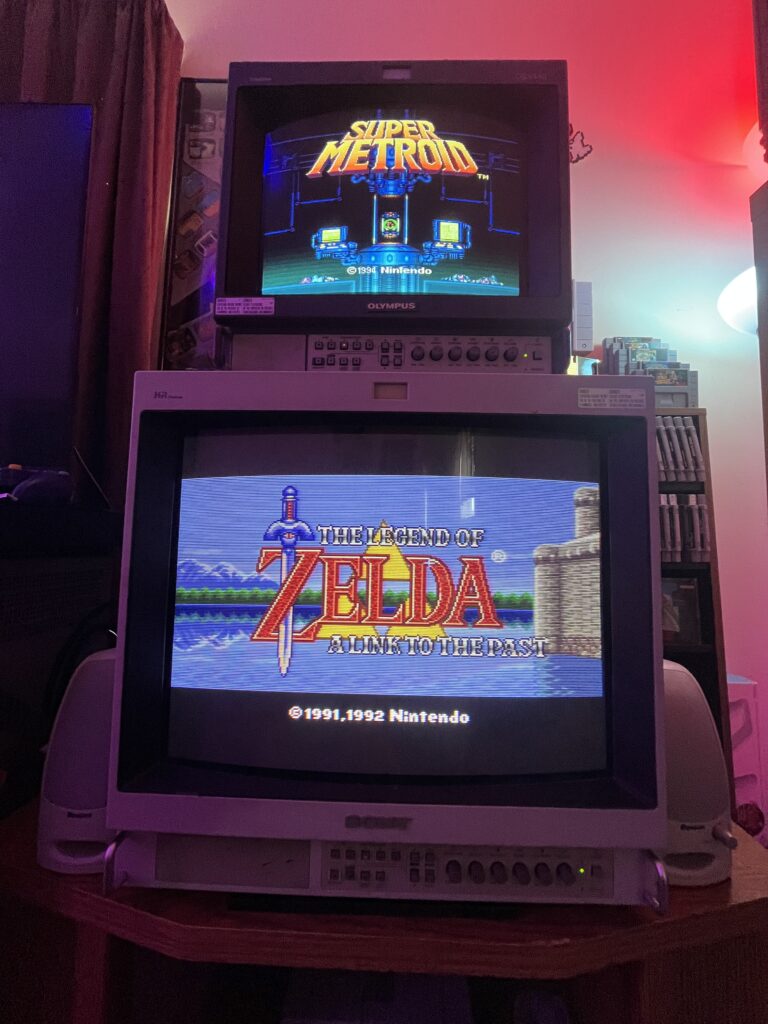
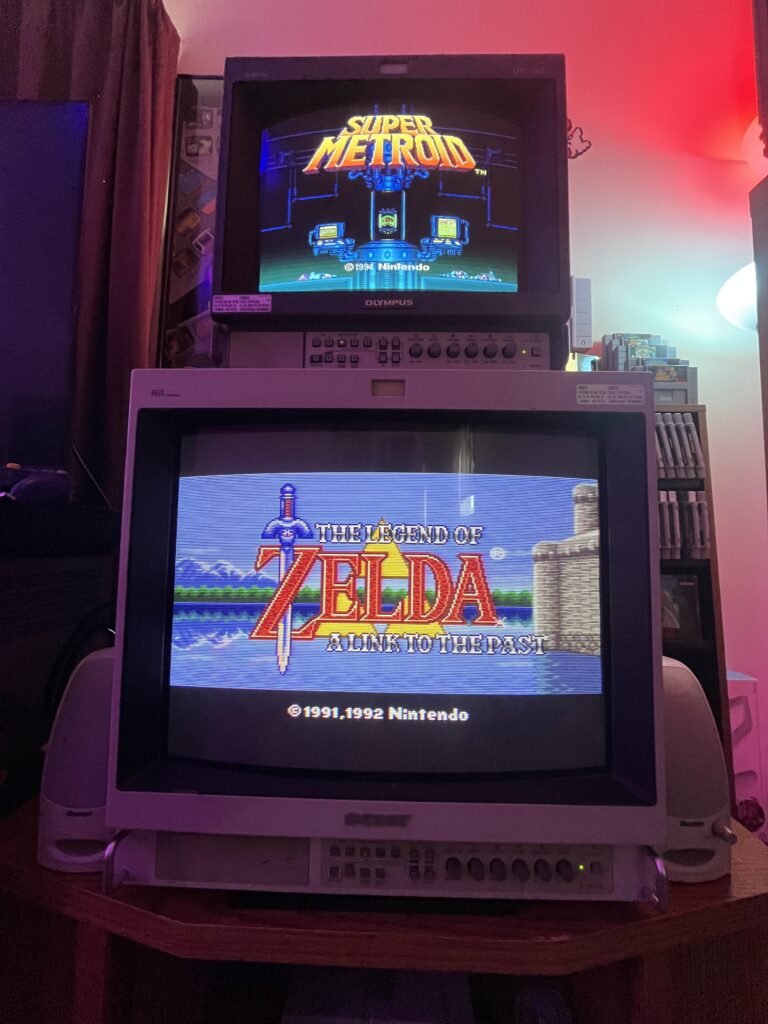
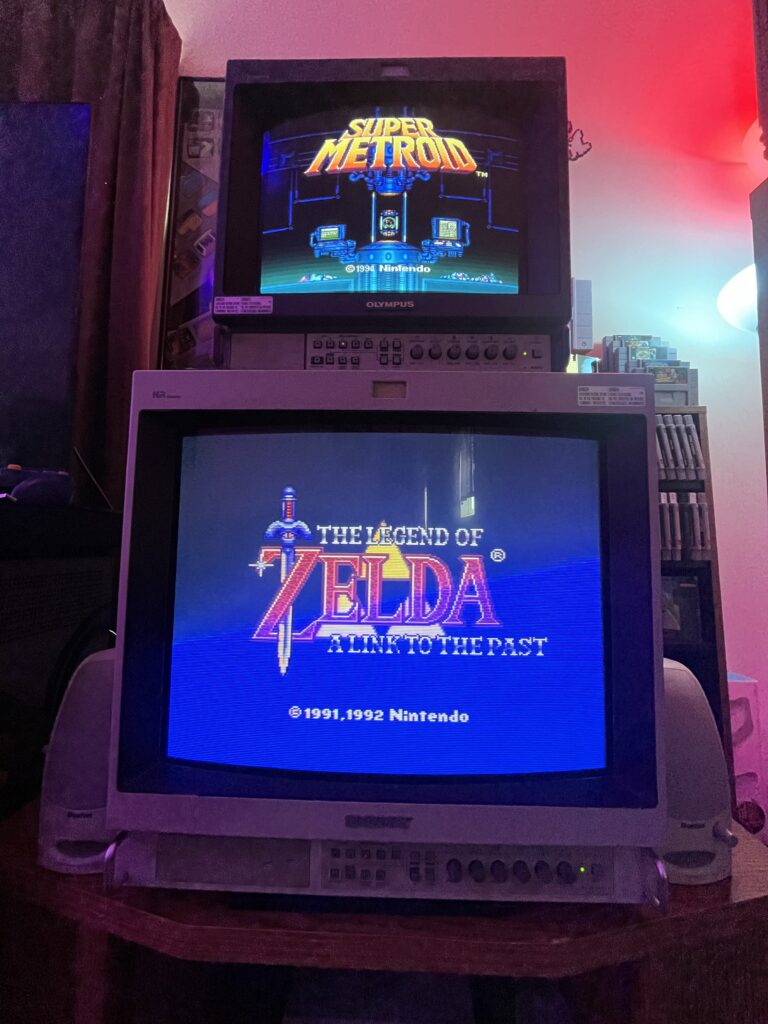
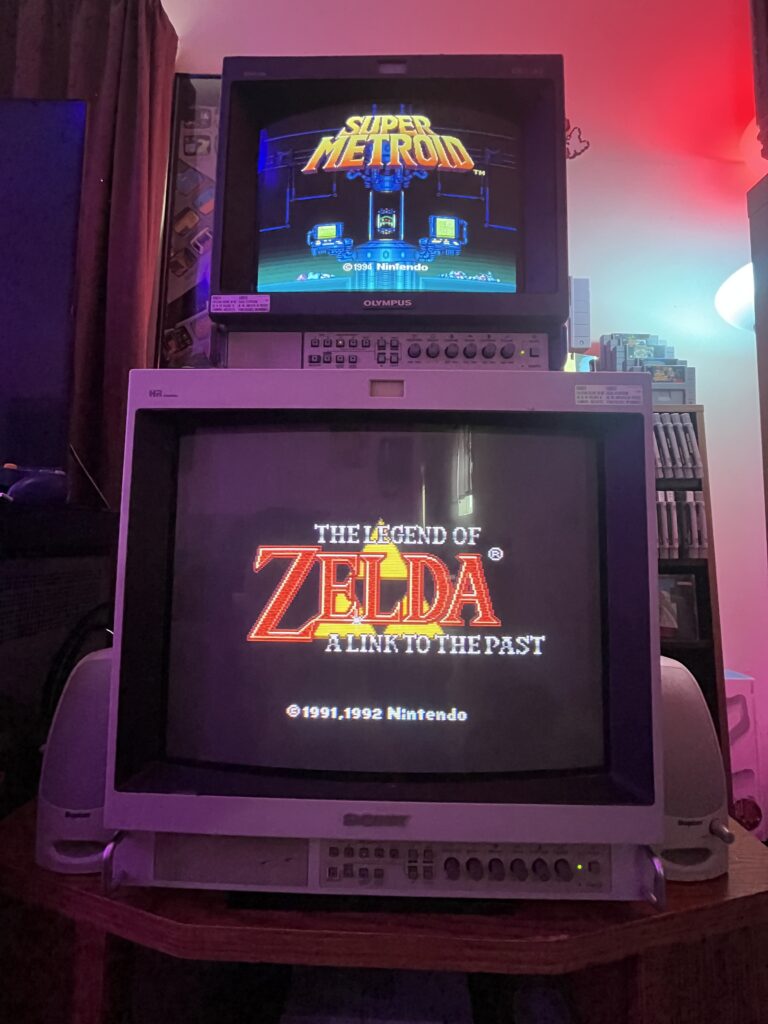
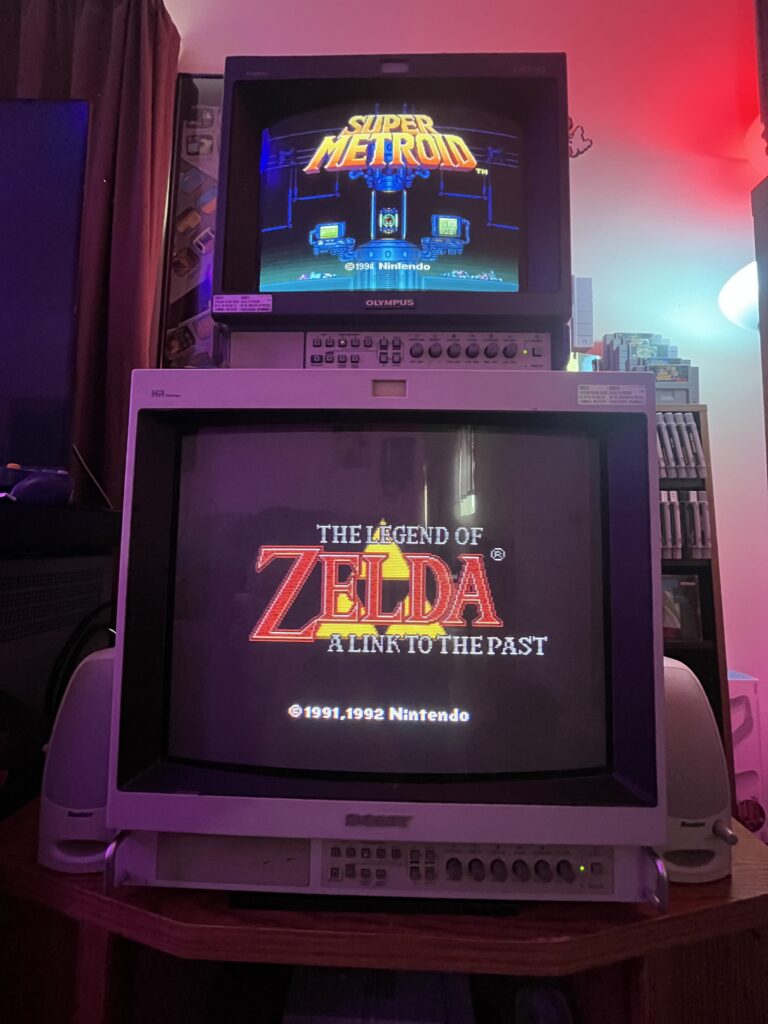
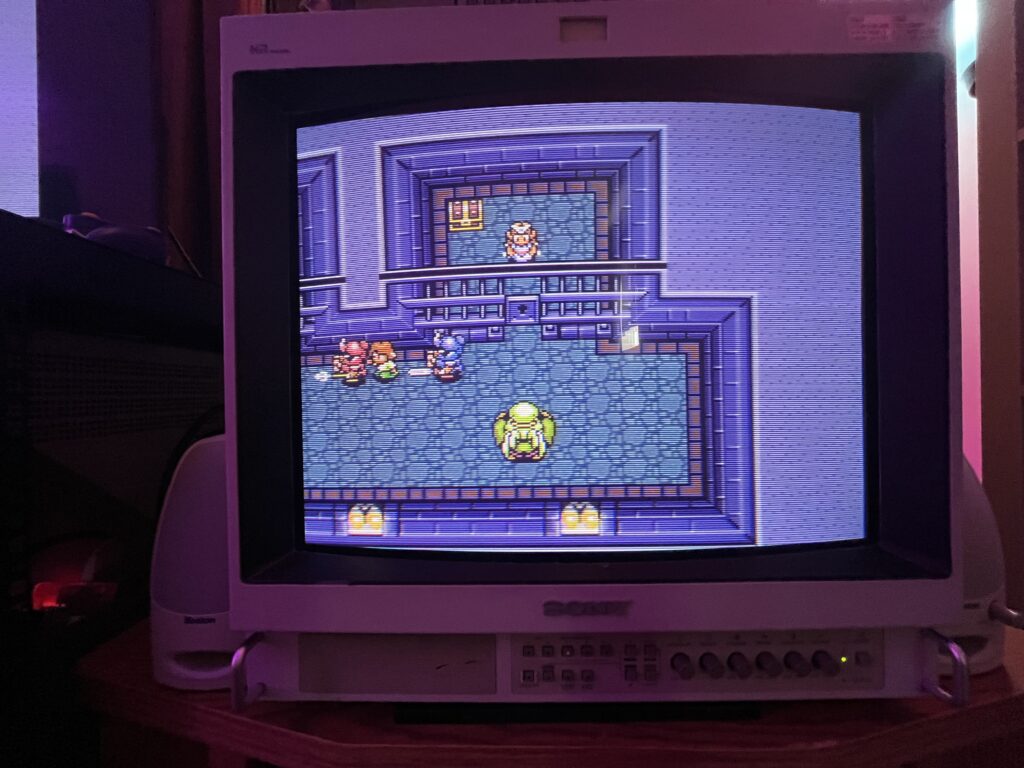
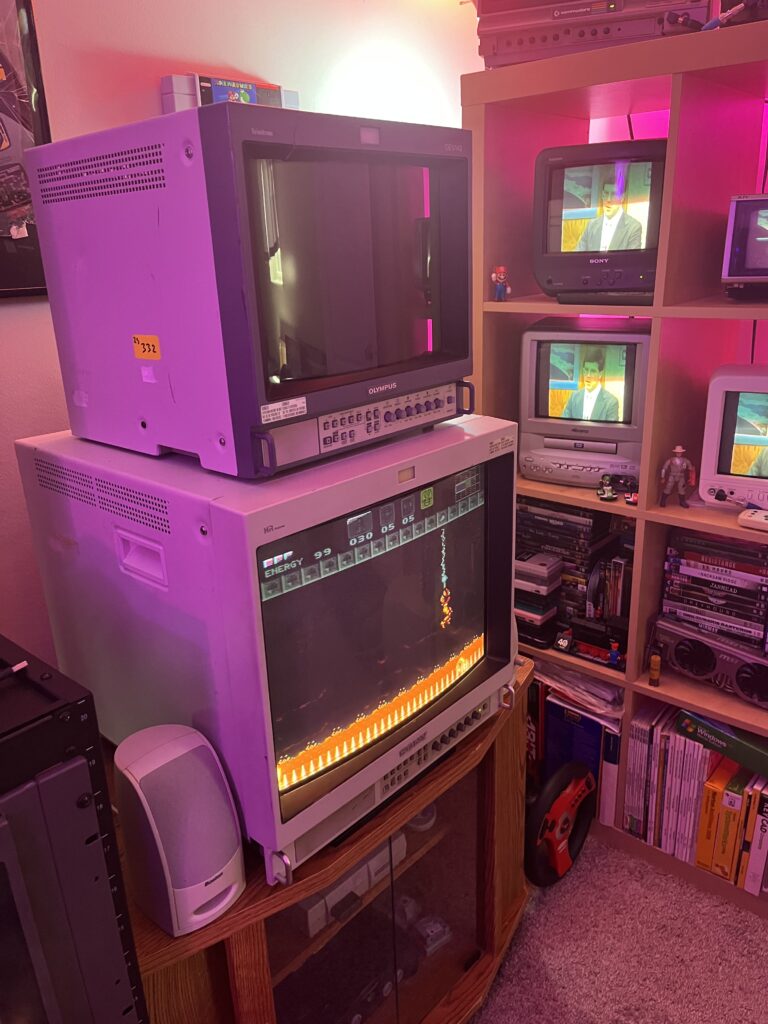
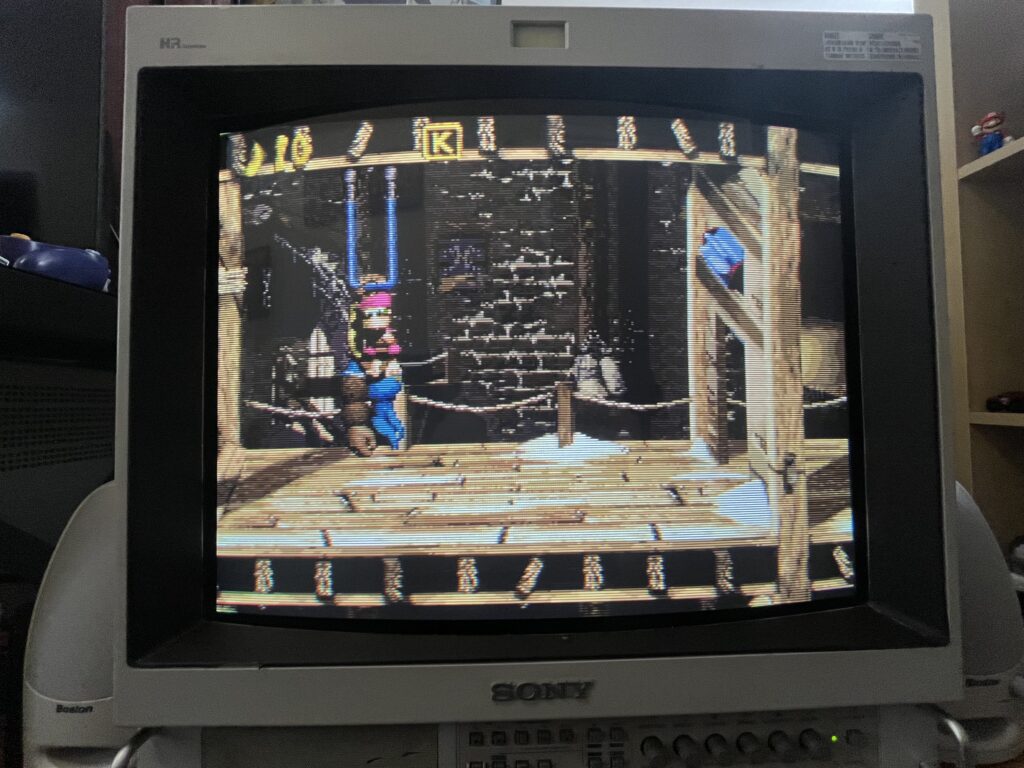
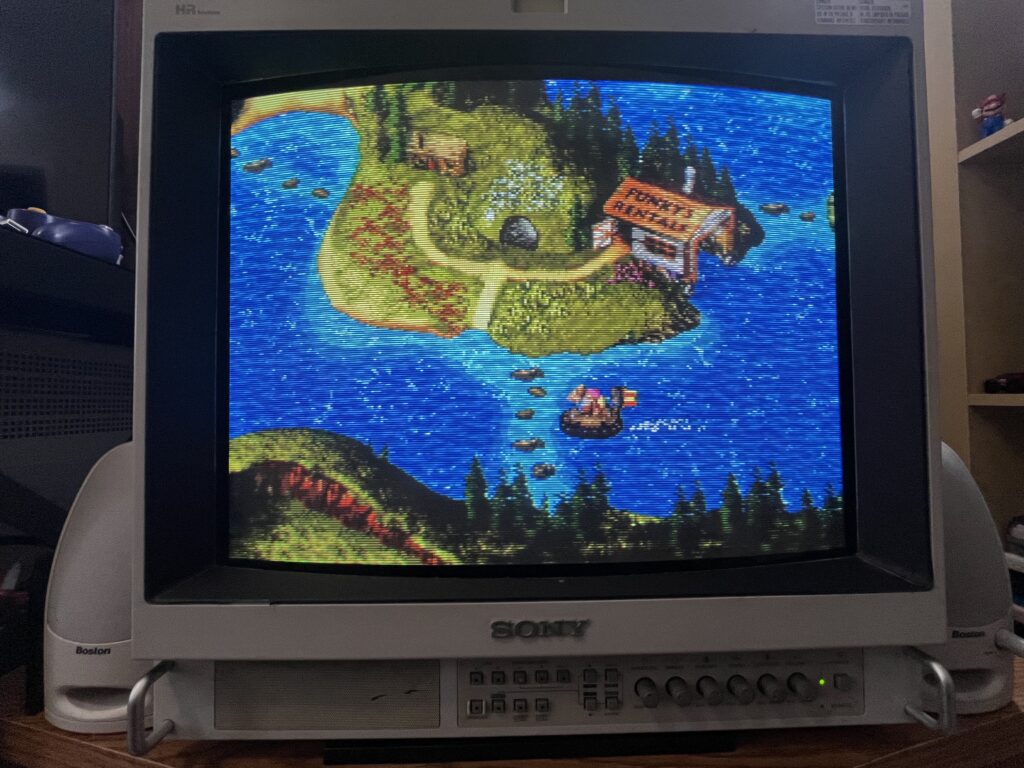
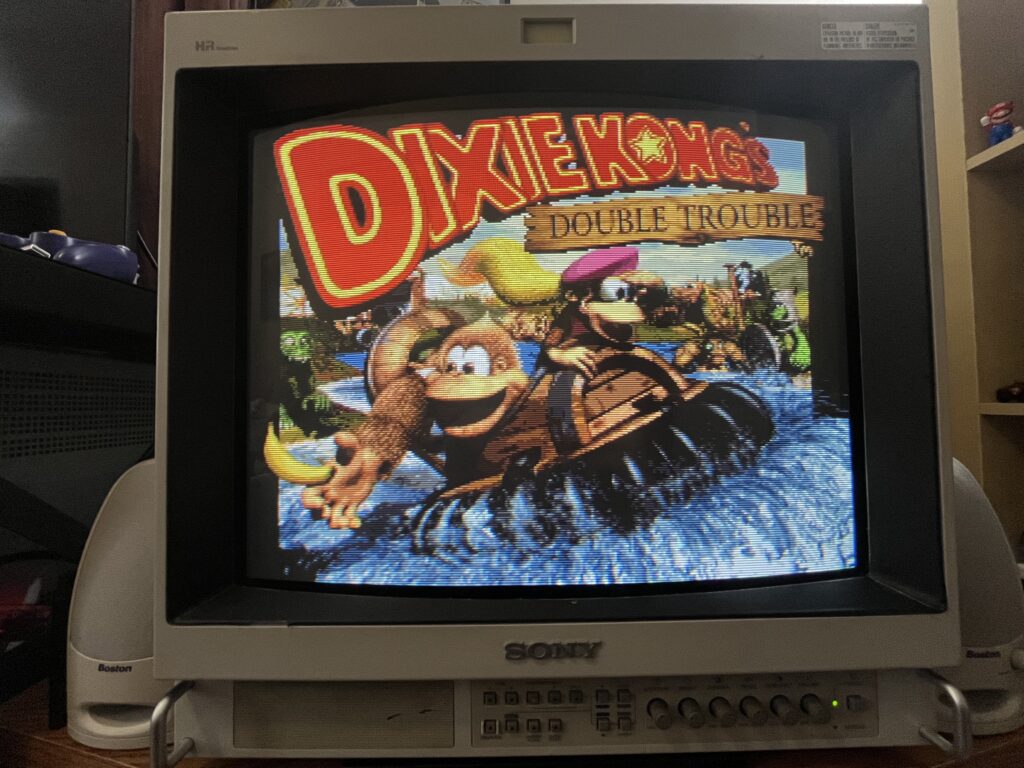
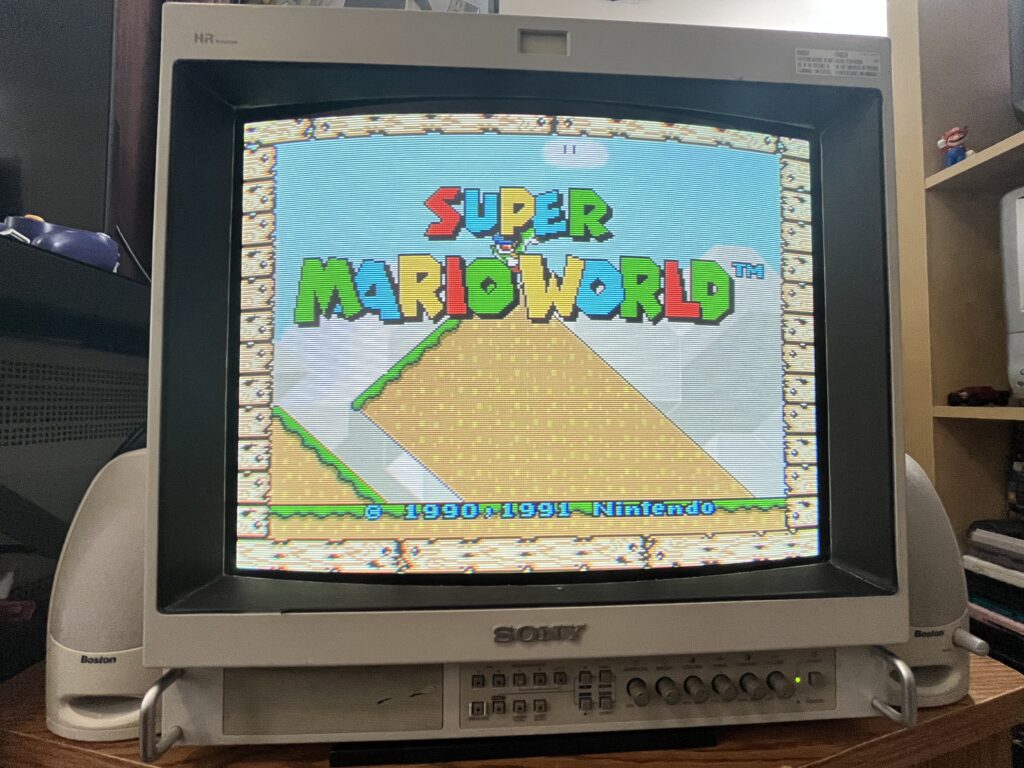
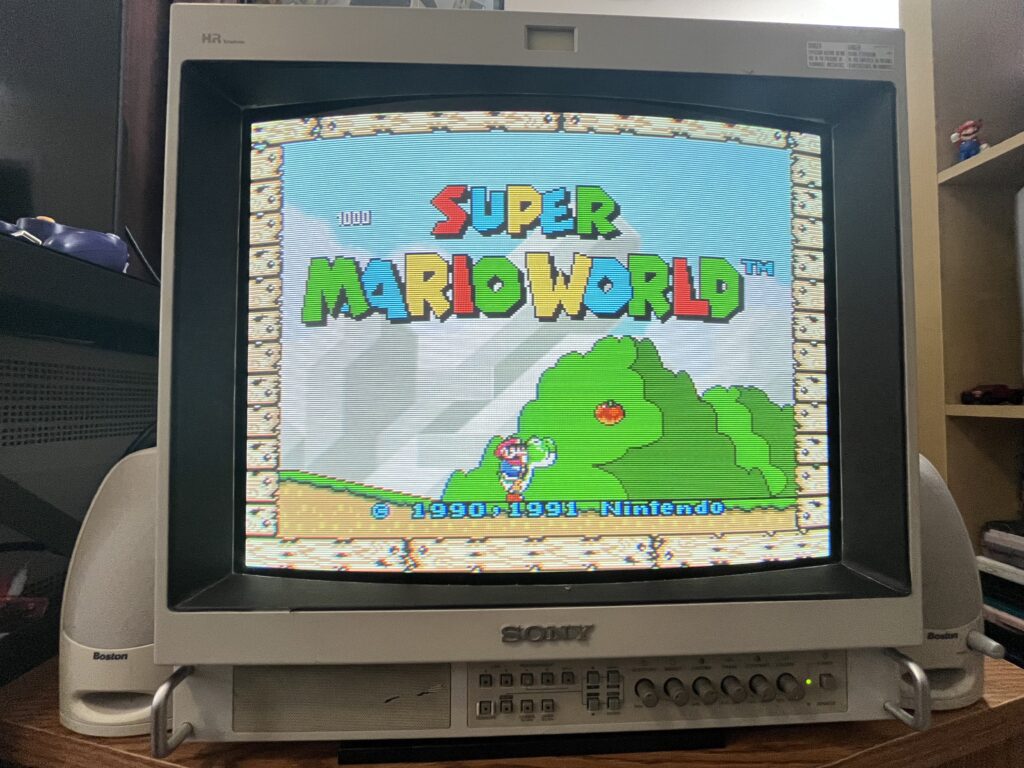
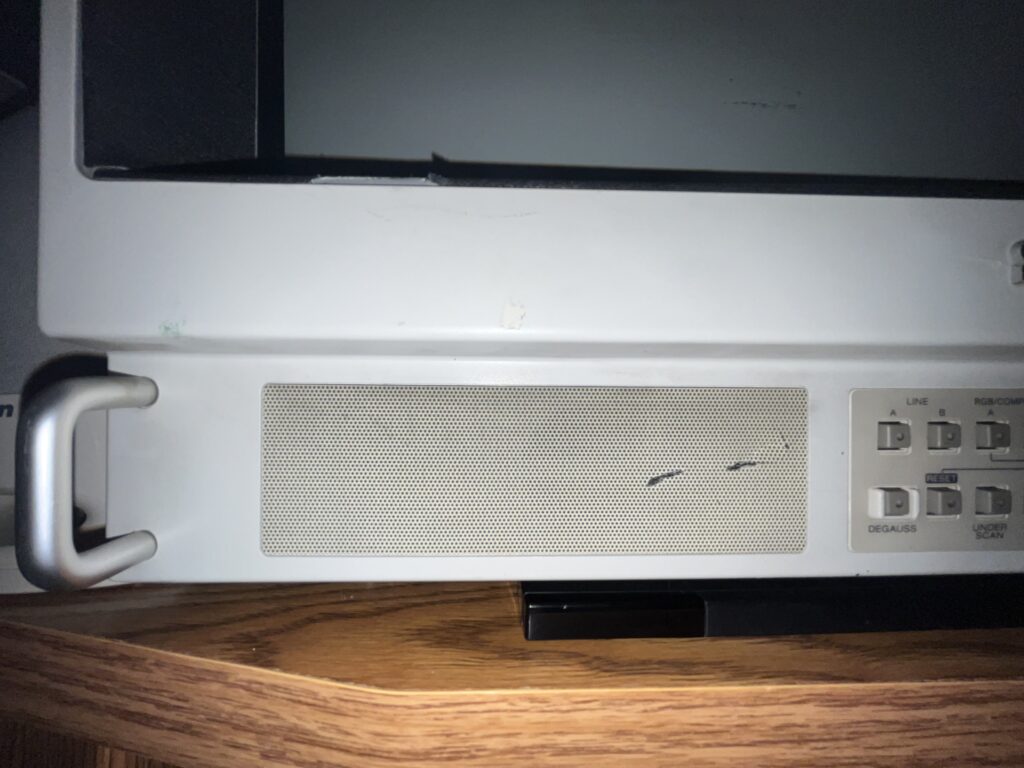
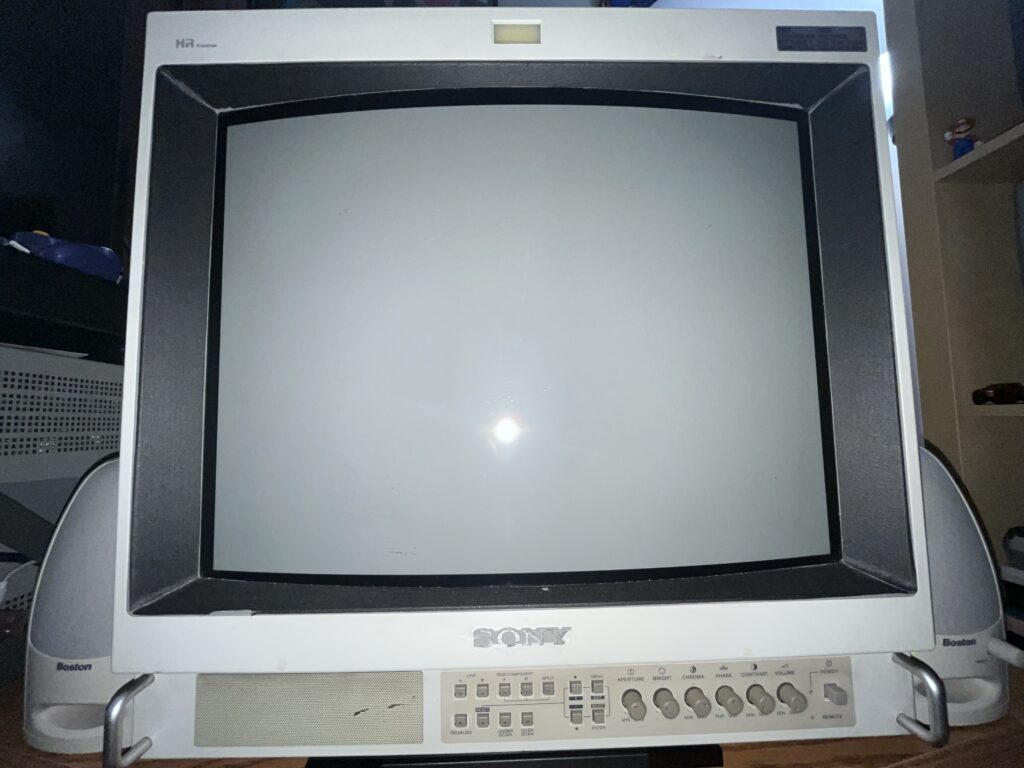
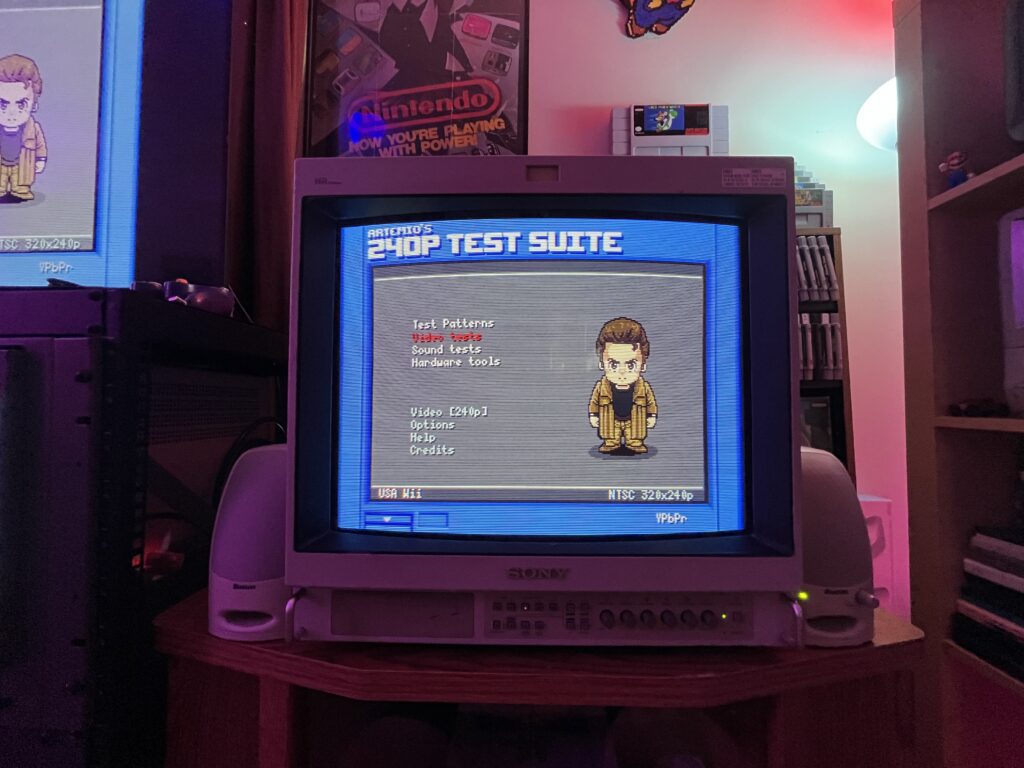
Sony was building monitors for hospitals, edit bays, and places where failure was unacceptable. The Sony PVM-1953MD is not some trendy little desk monitor. She is a 66-pound medical grade HR Trinitron designed to run for ungodly hours displaying surgery footage, scan data, and broadcast feeds without blinking. And somehow… thirty years later… this thing ended up becoming my grail. Not because she’s rare, not because she’s expensive, but because she finally did something I thought was impossible. She challenged my KV-27FS100. That sounds dramatic until you actually sit in front of one of these properly dialed in. I bought this monitor from a guy that clearly had absolutely no idea how to use one of these. Nice guy, but the geometry was obliterated. Overscan was cranked for no reason. Settings felt random. He was literally asking ME questions about HIS monitor while I was testing it in his living room. Meanwhile his kid is standing there getting completely sucked into Super Nintendo while I’m running 240p Test Suite trying to decide if I’m about to drag home another “almost amazing” CRT. The first impression wasn’t perfect.

The edge convergence was rough.
Geometry was ugly.
The whole thing needed work.

But the important part was obvious immediately: the tube itself was healthy as hell.
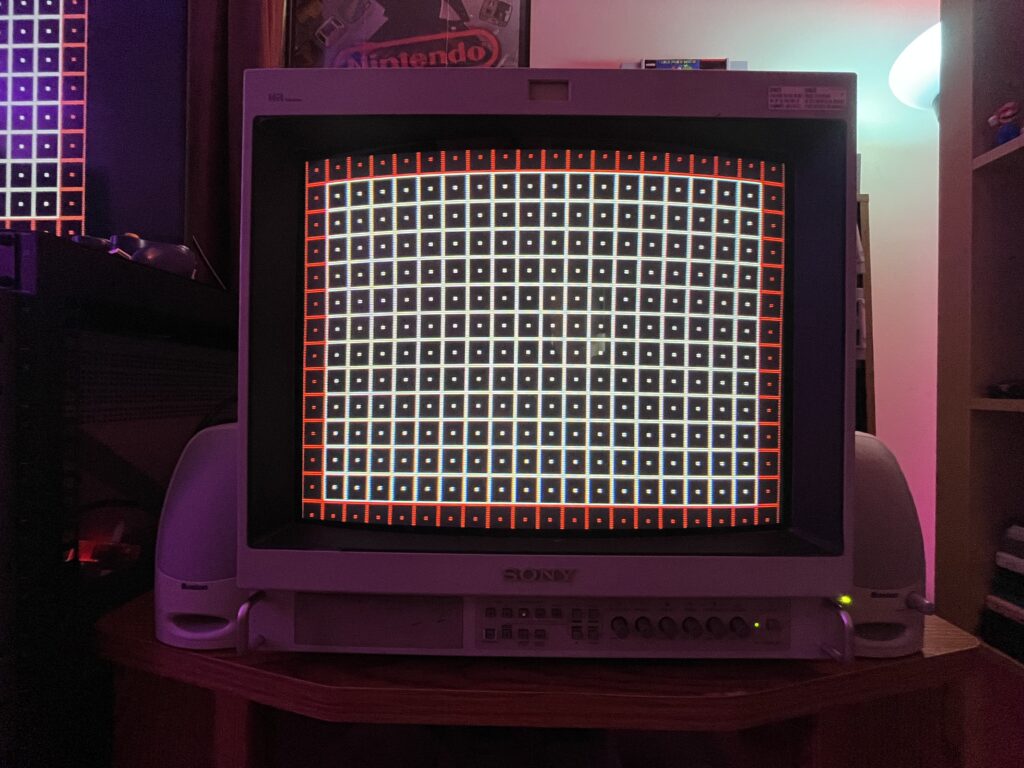
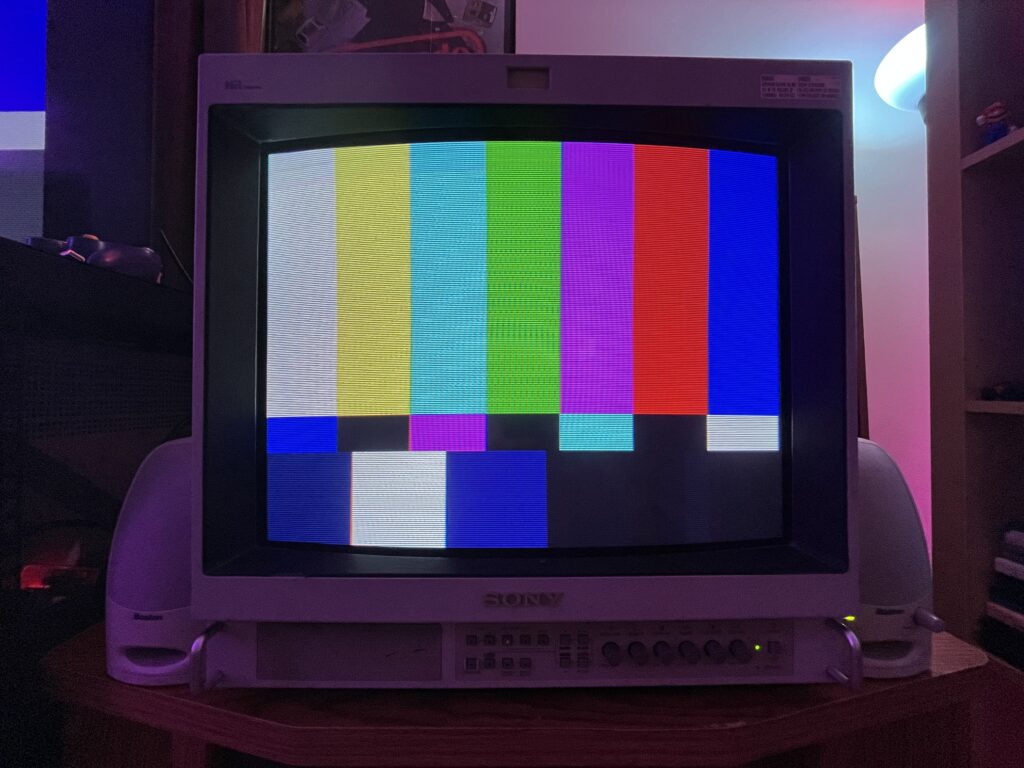
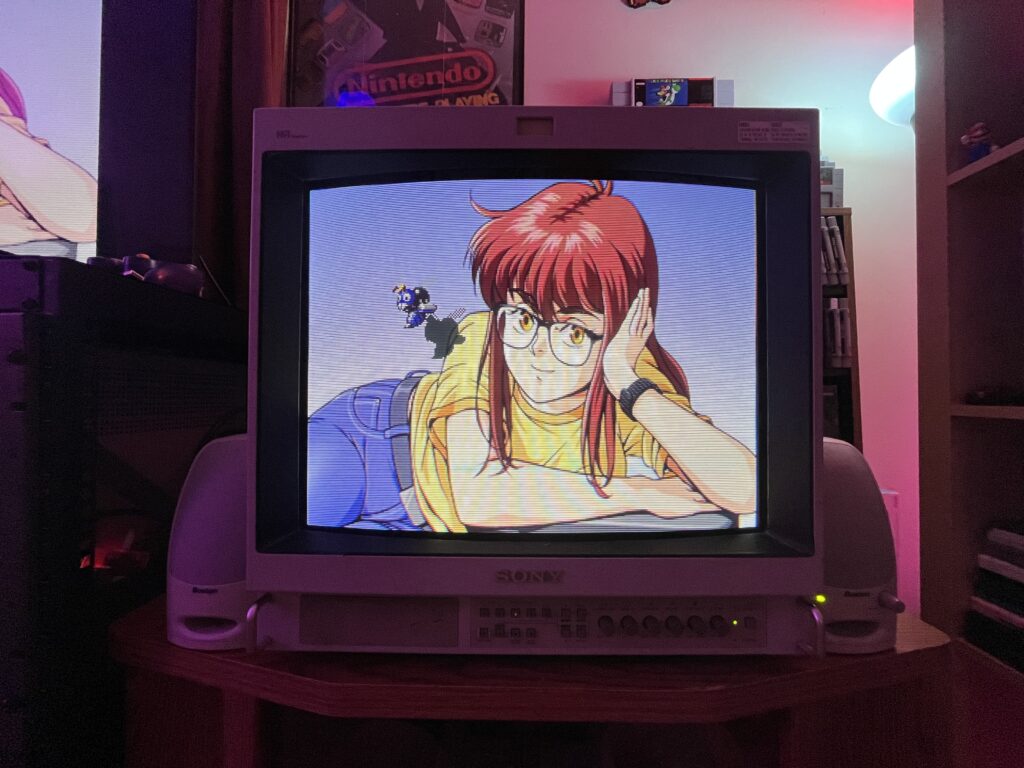
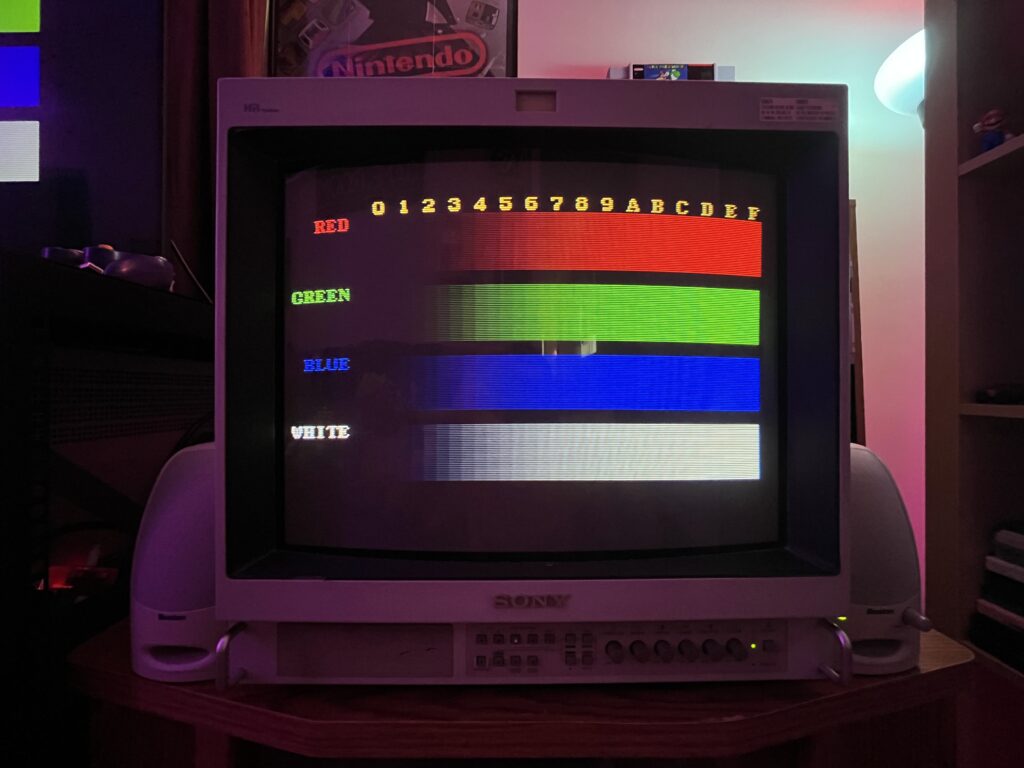
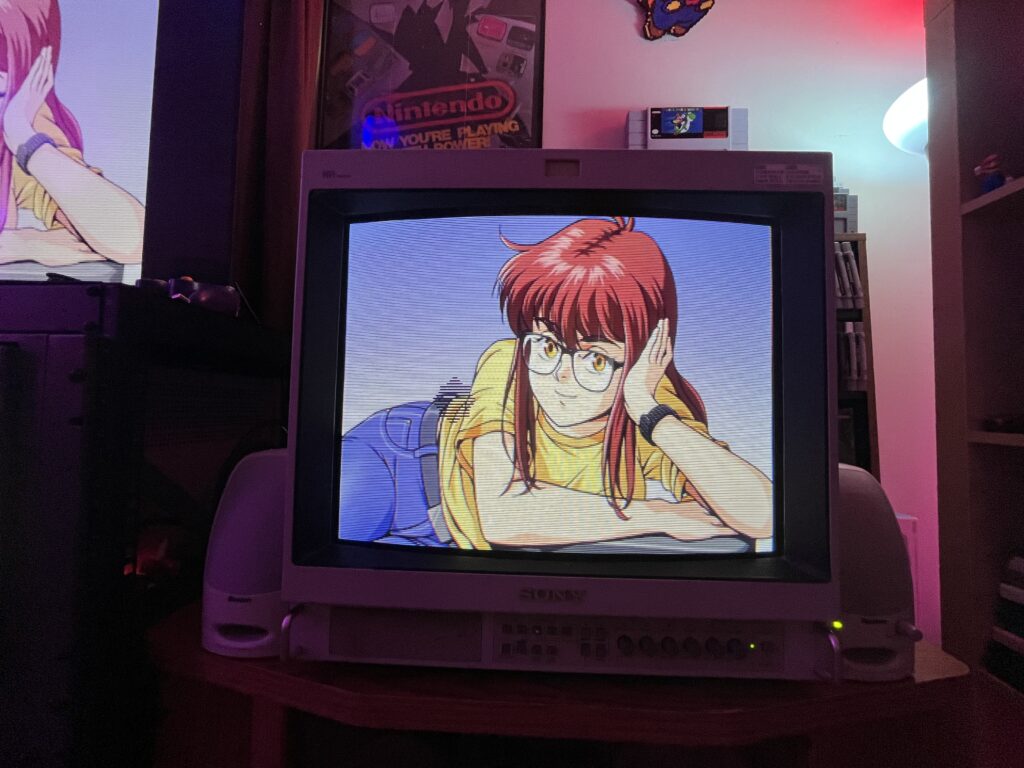
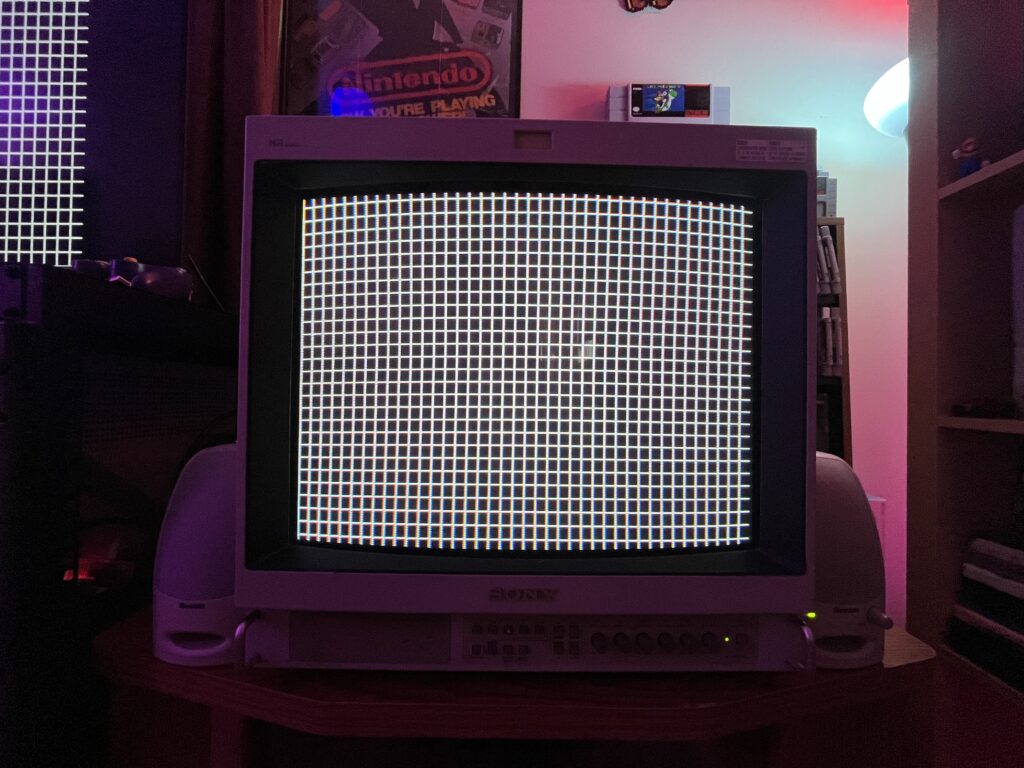
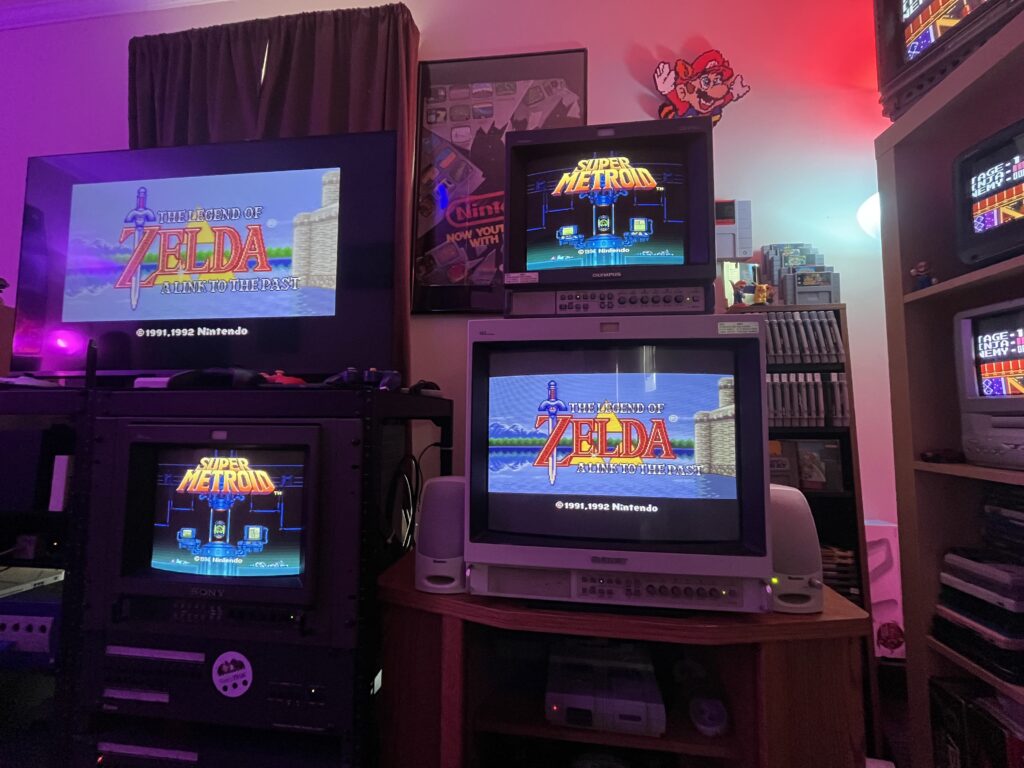
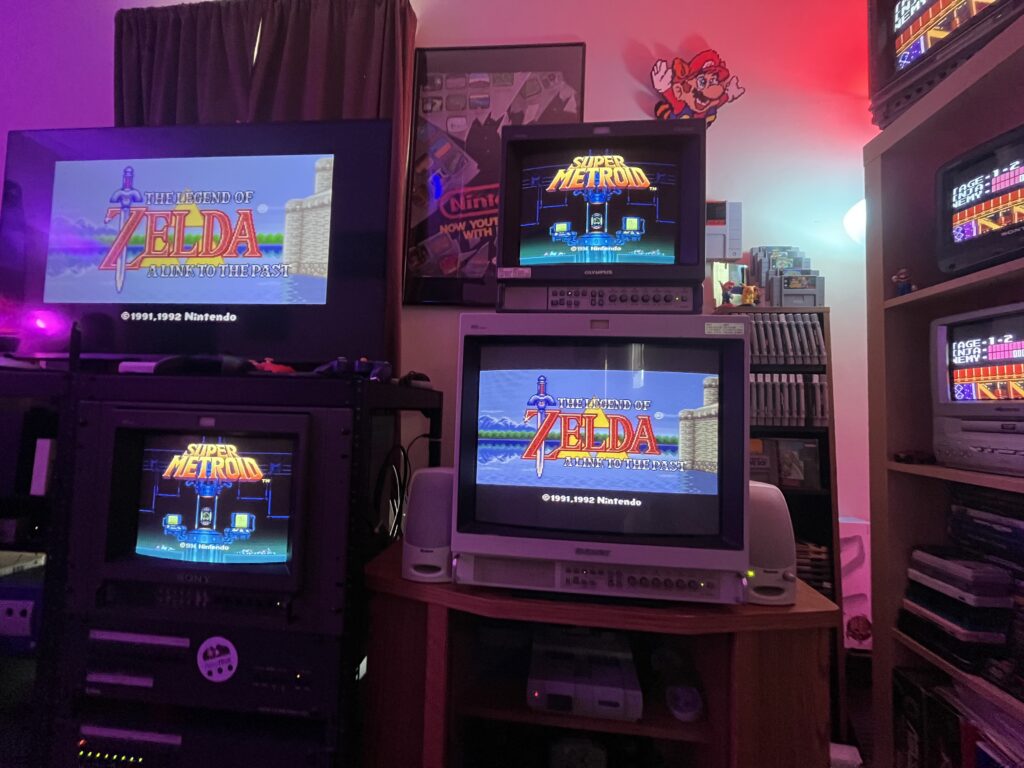
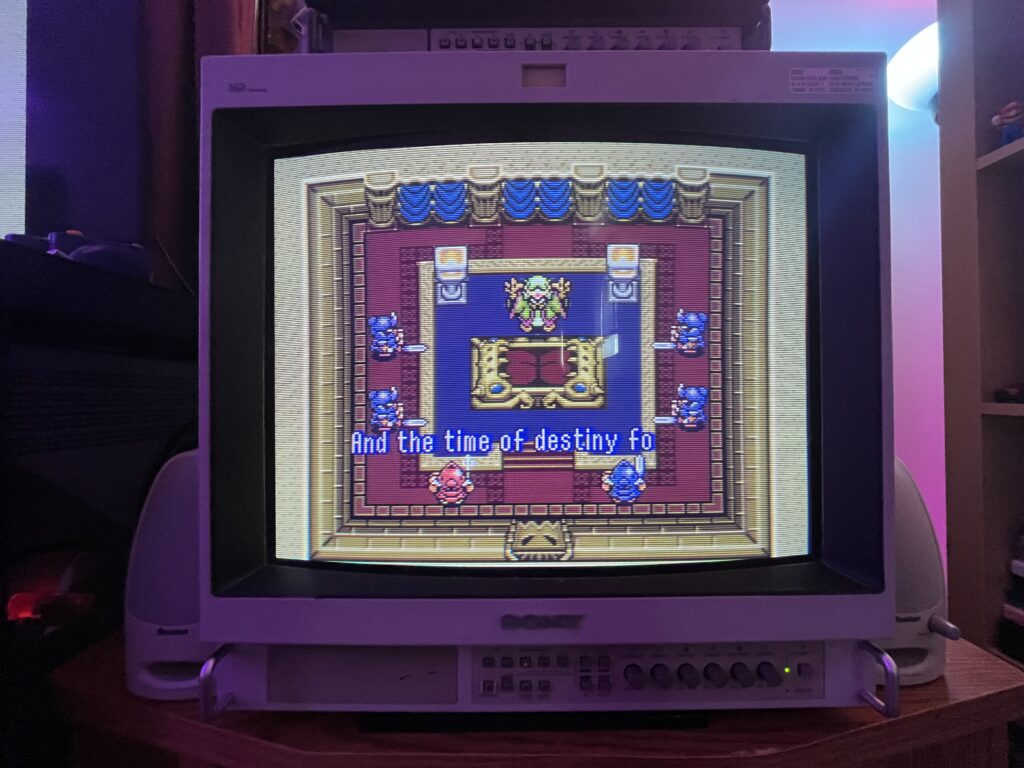
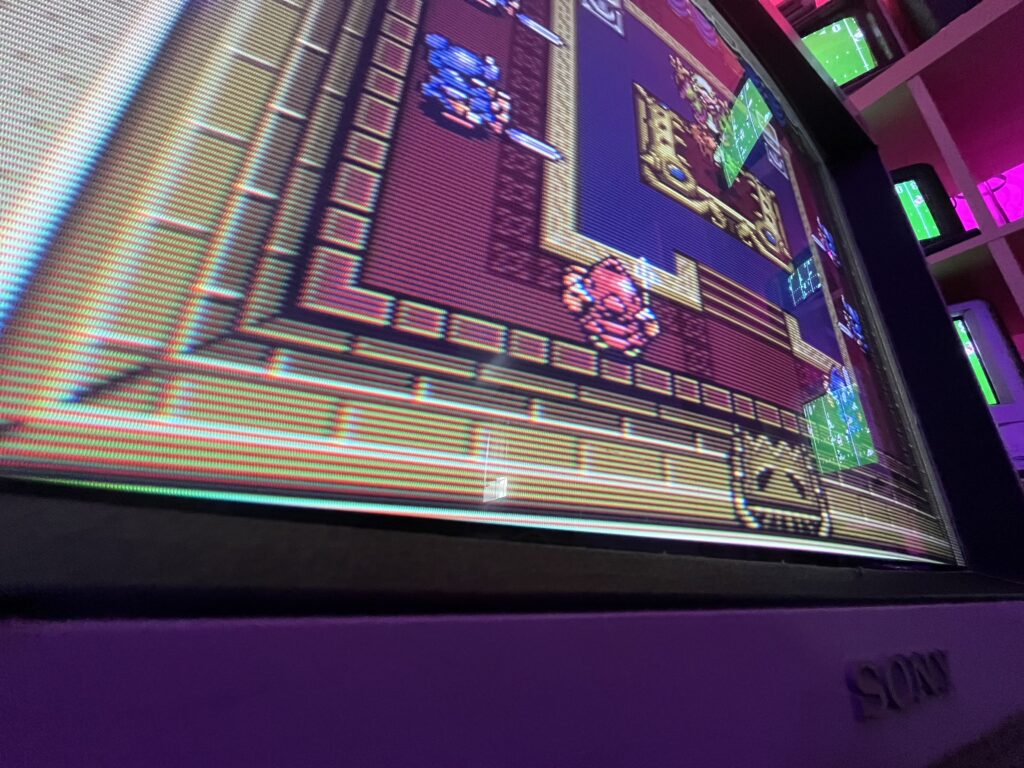
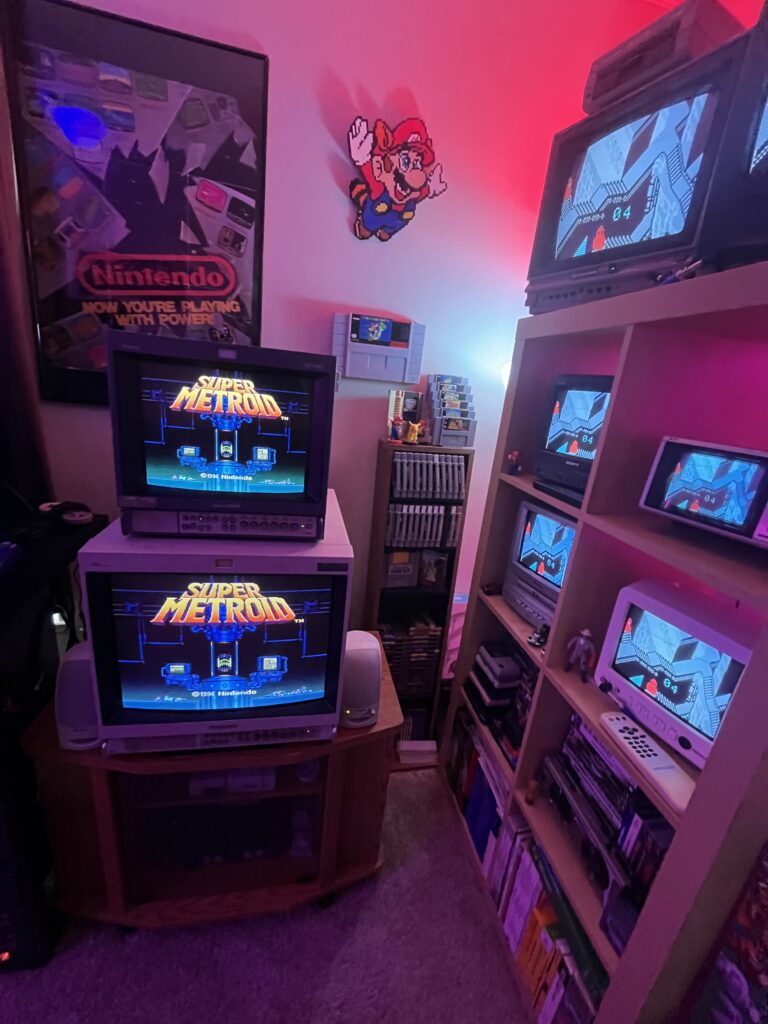
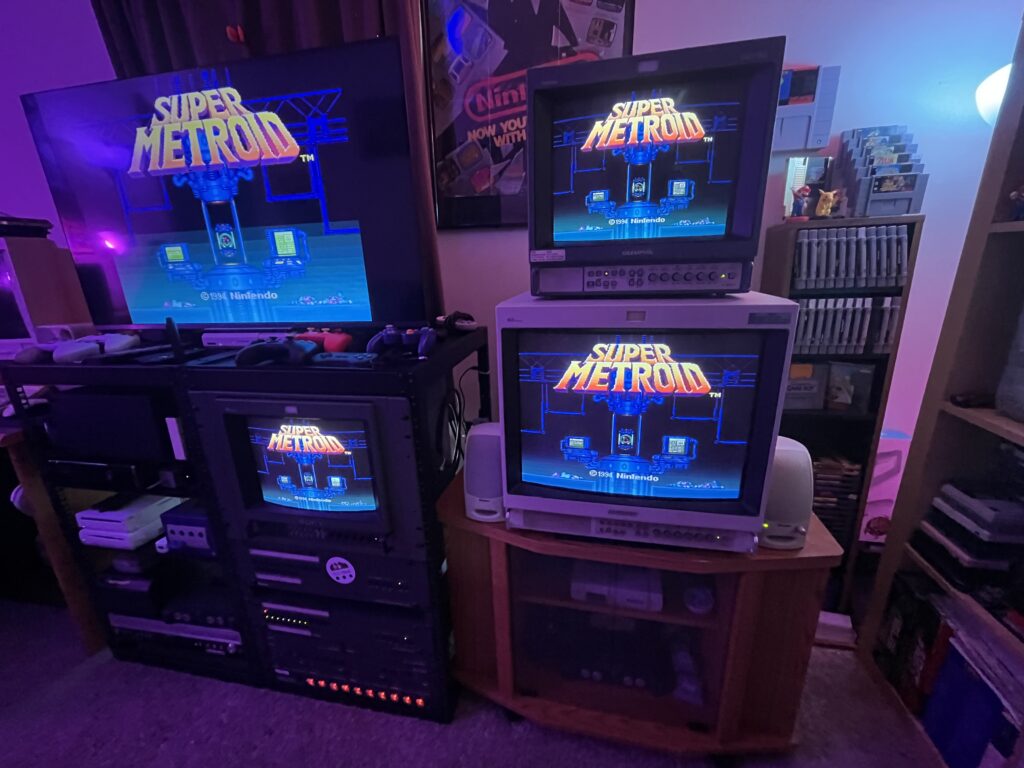
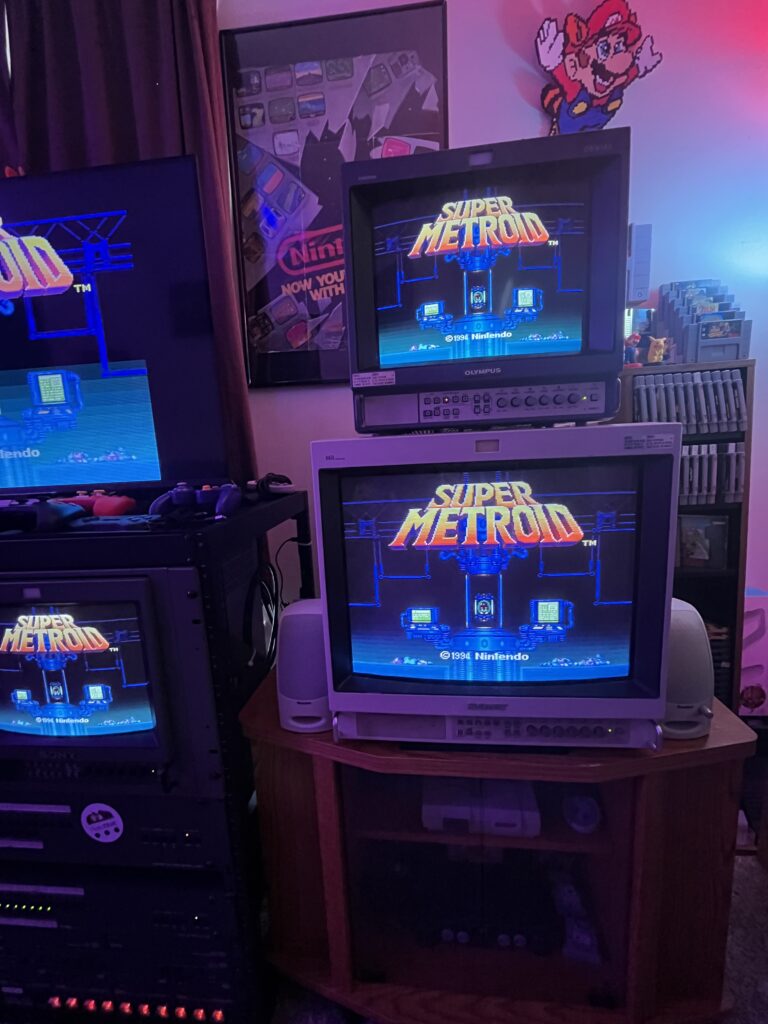
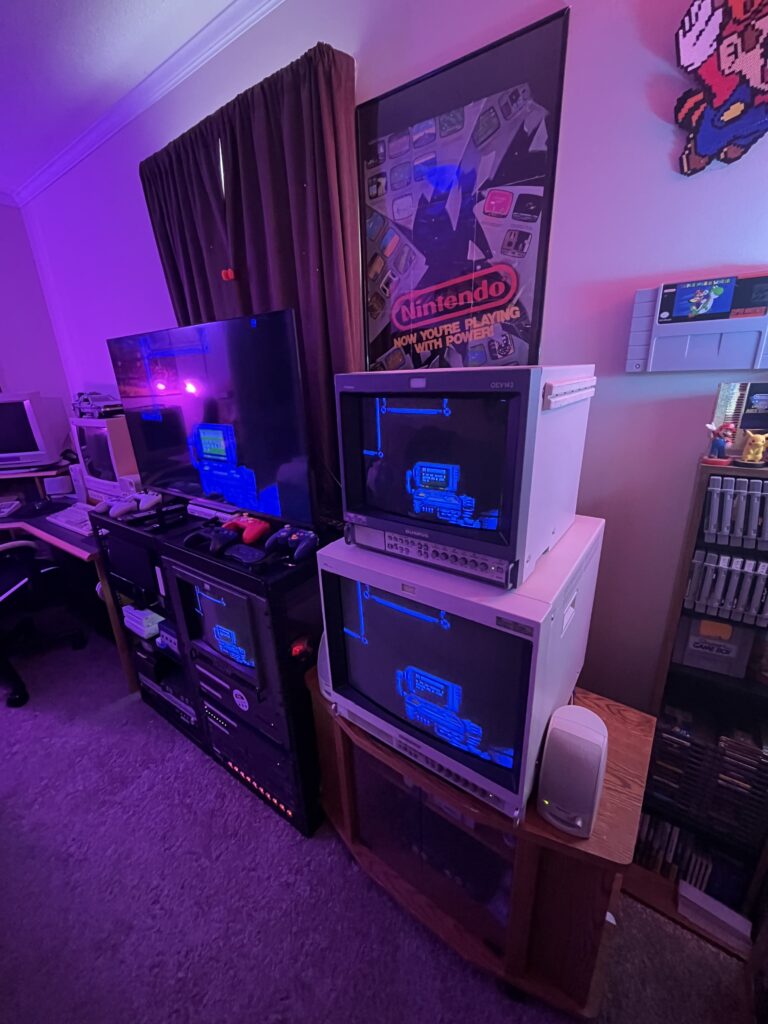
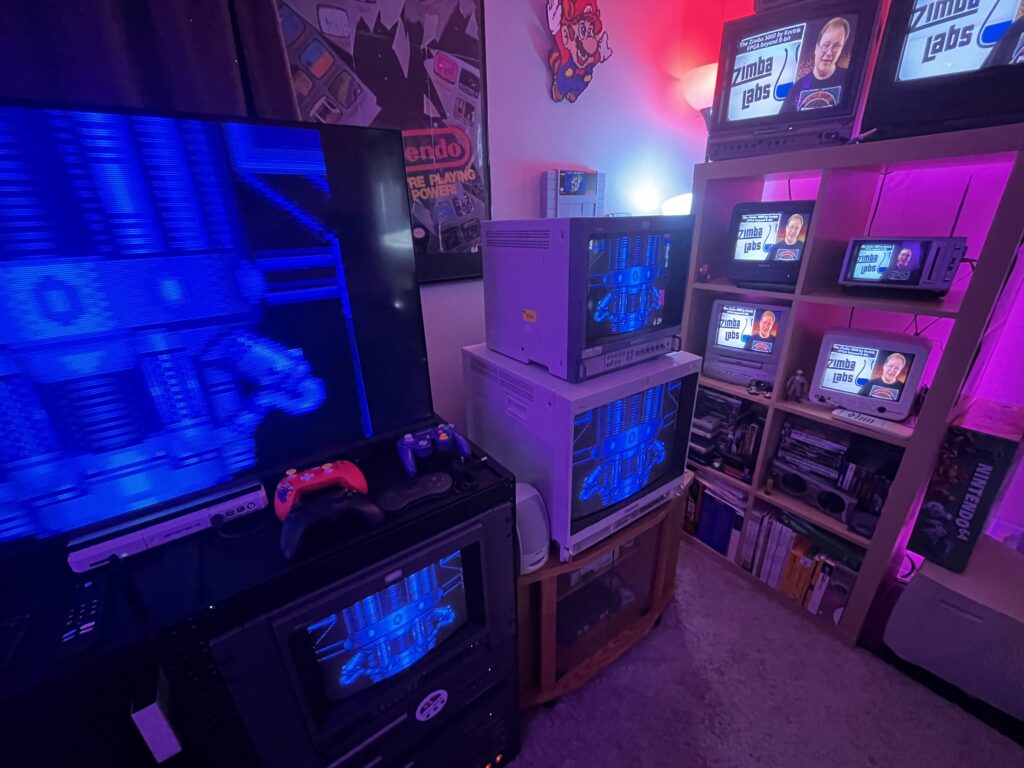
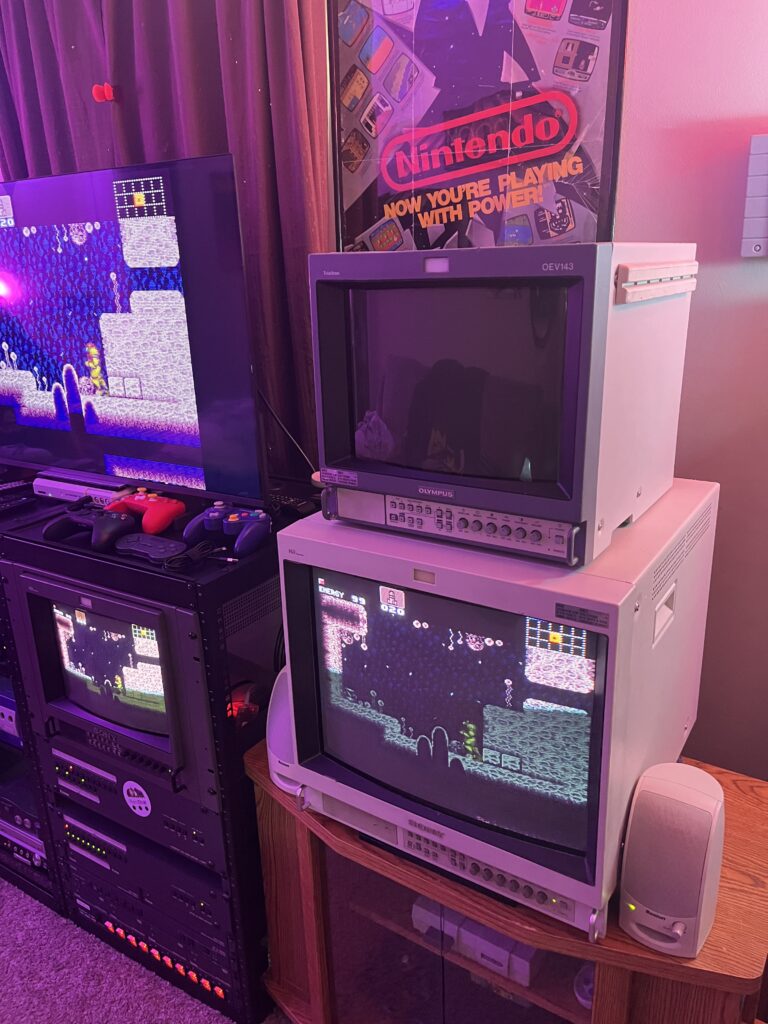
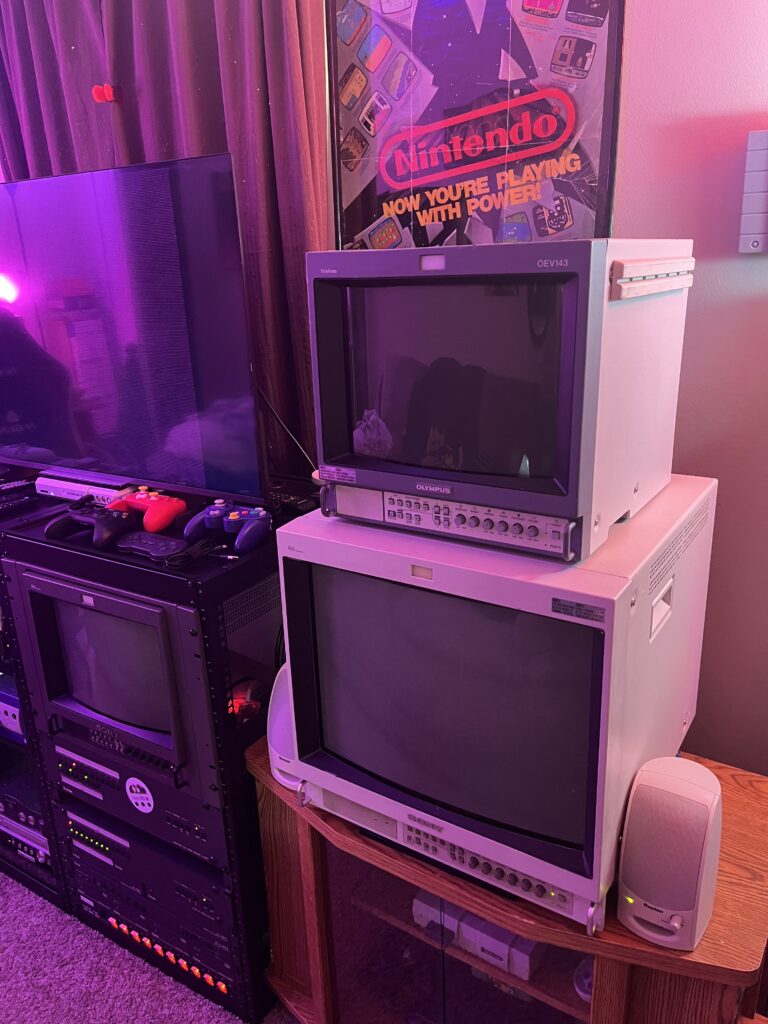
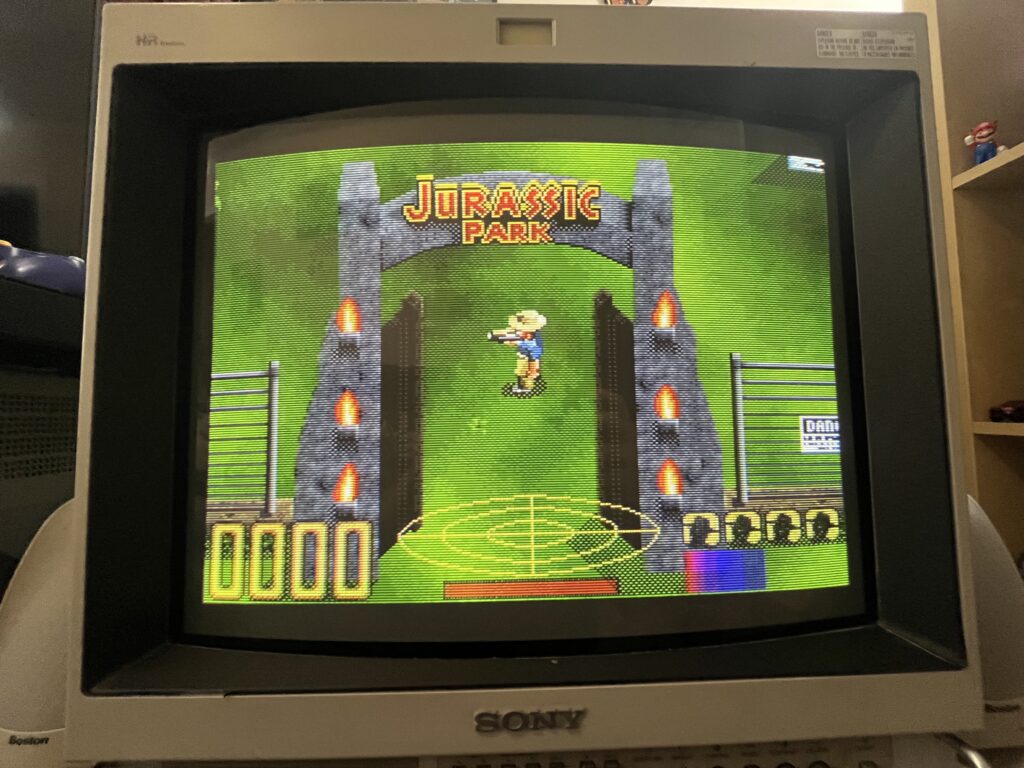
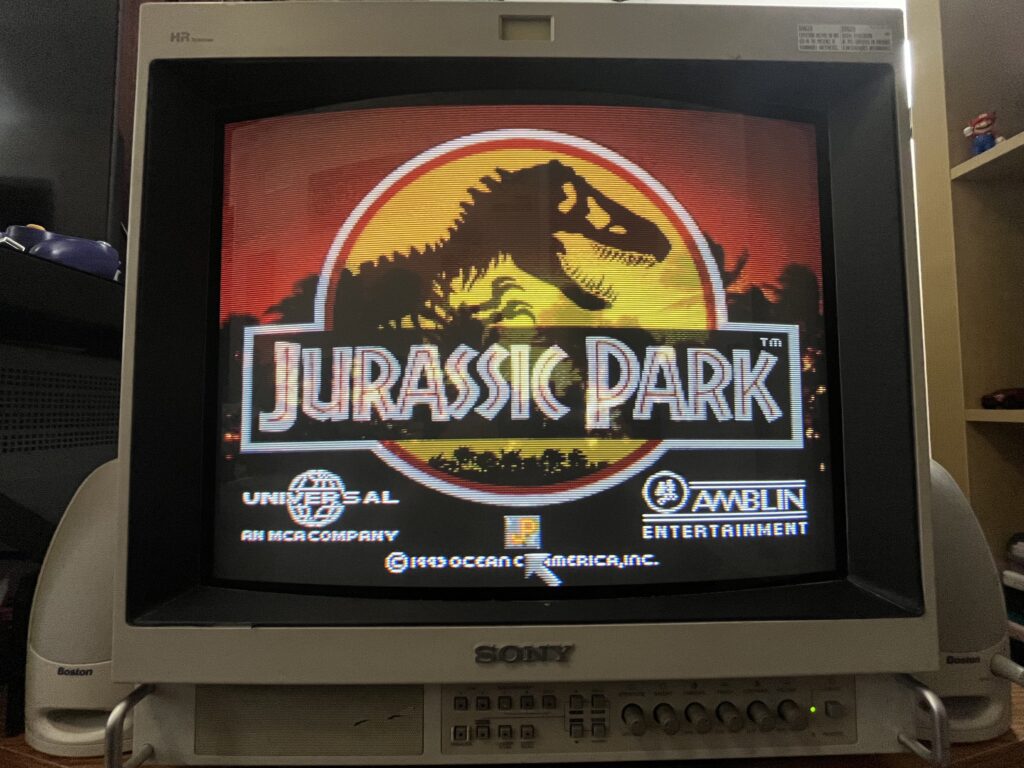
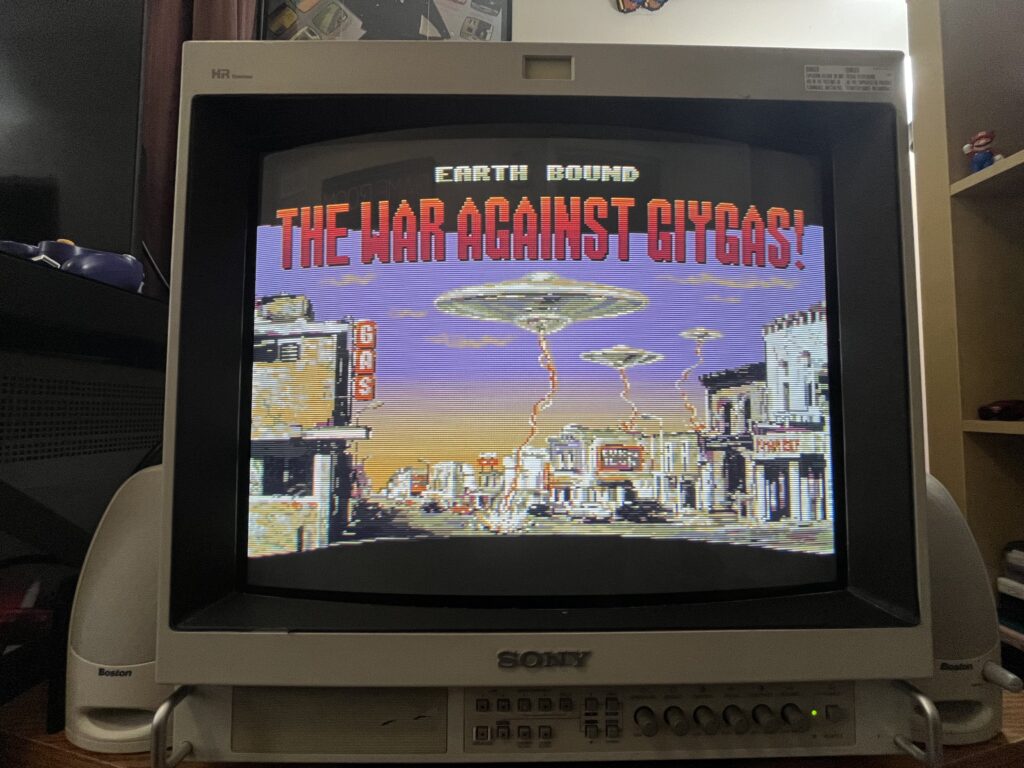
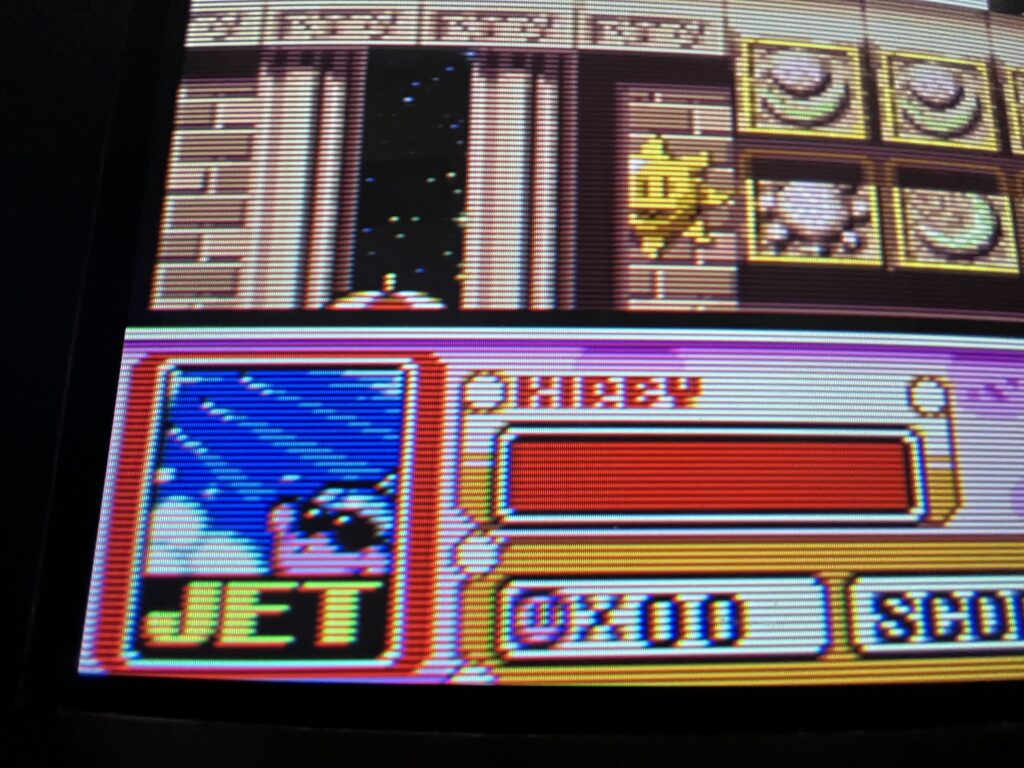
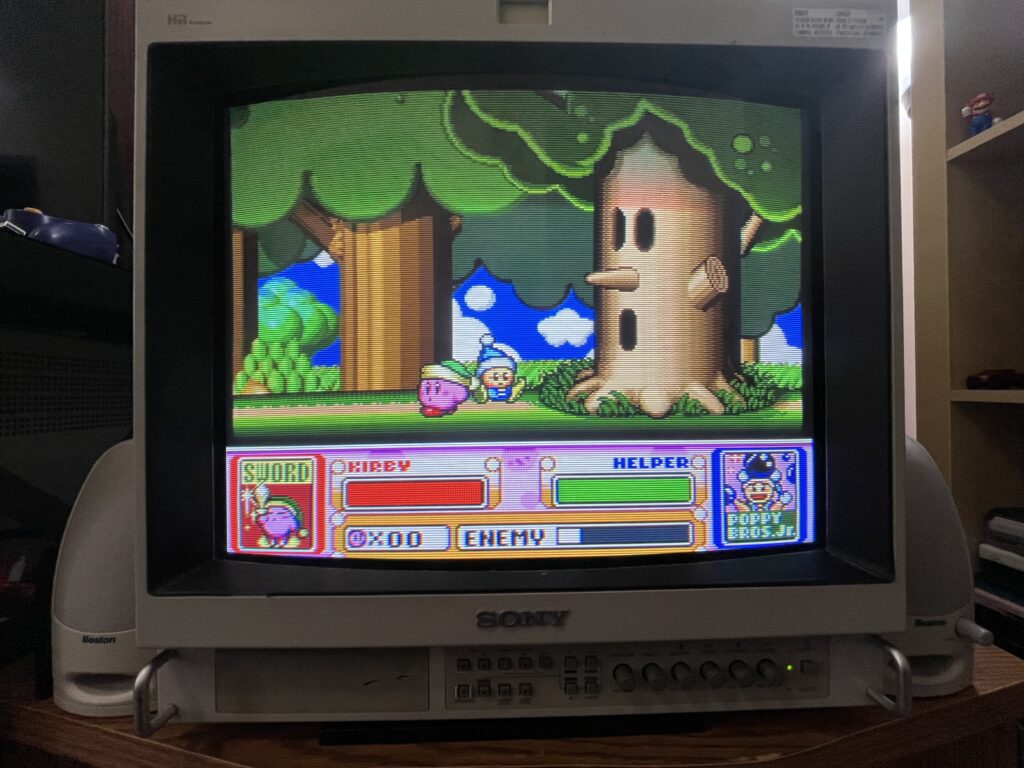
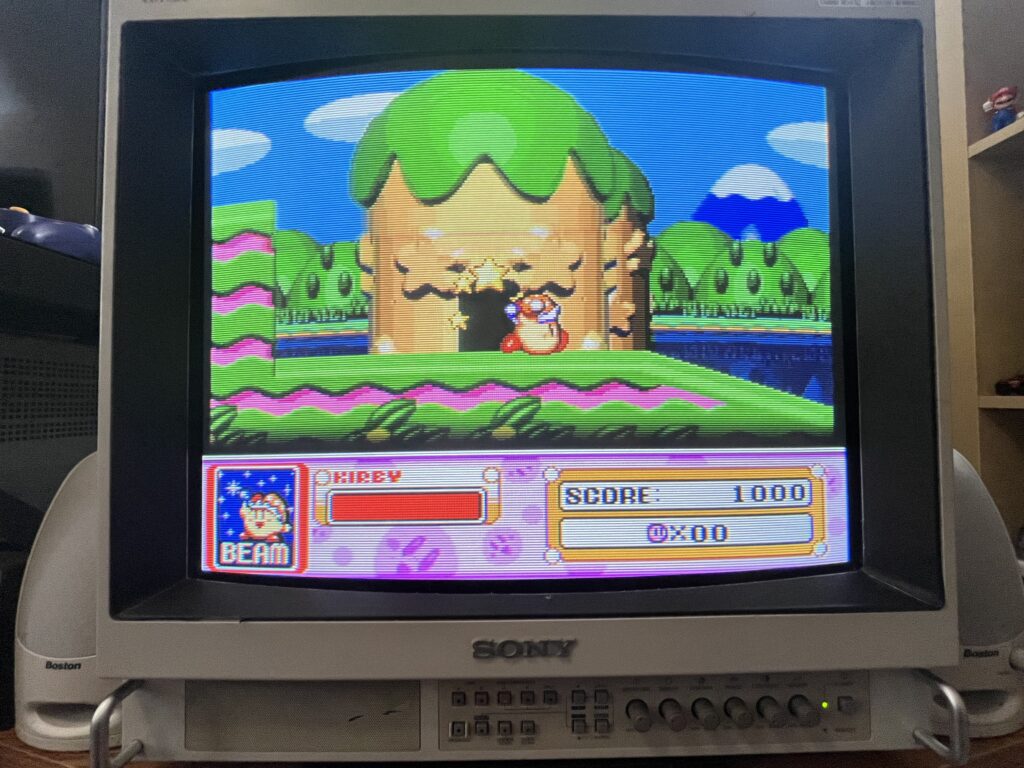
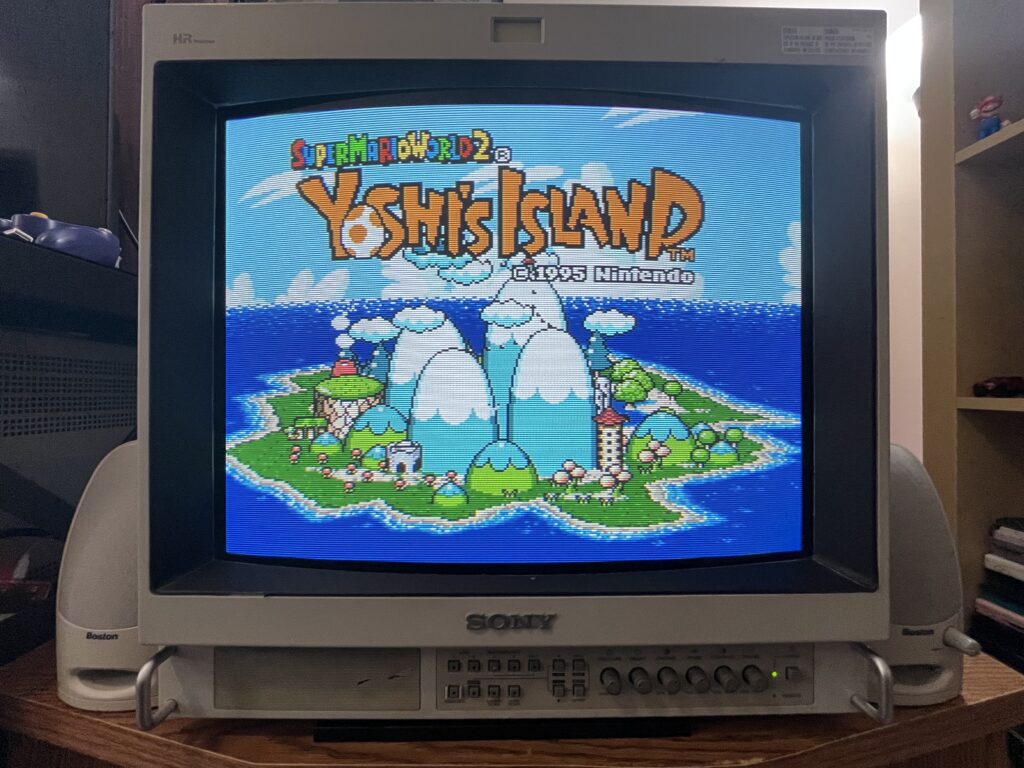
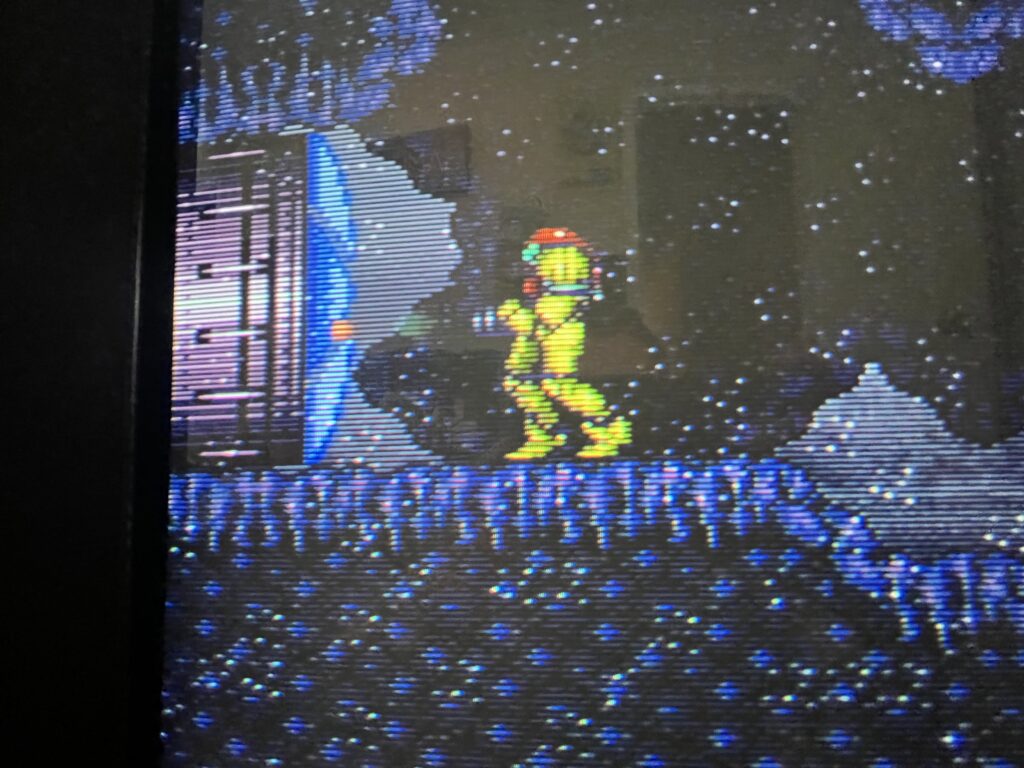
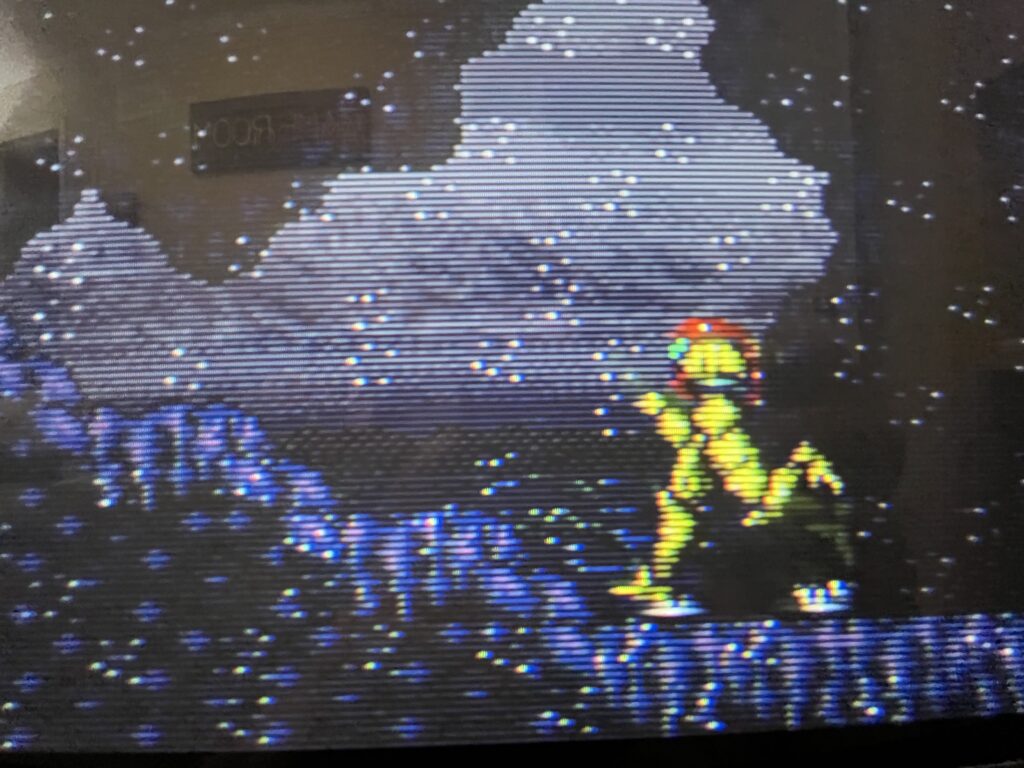
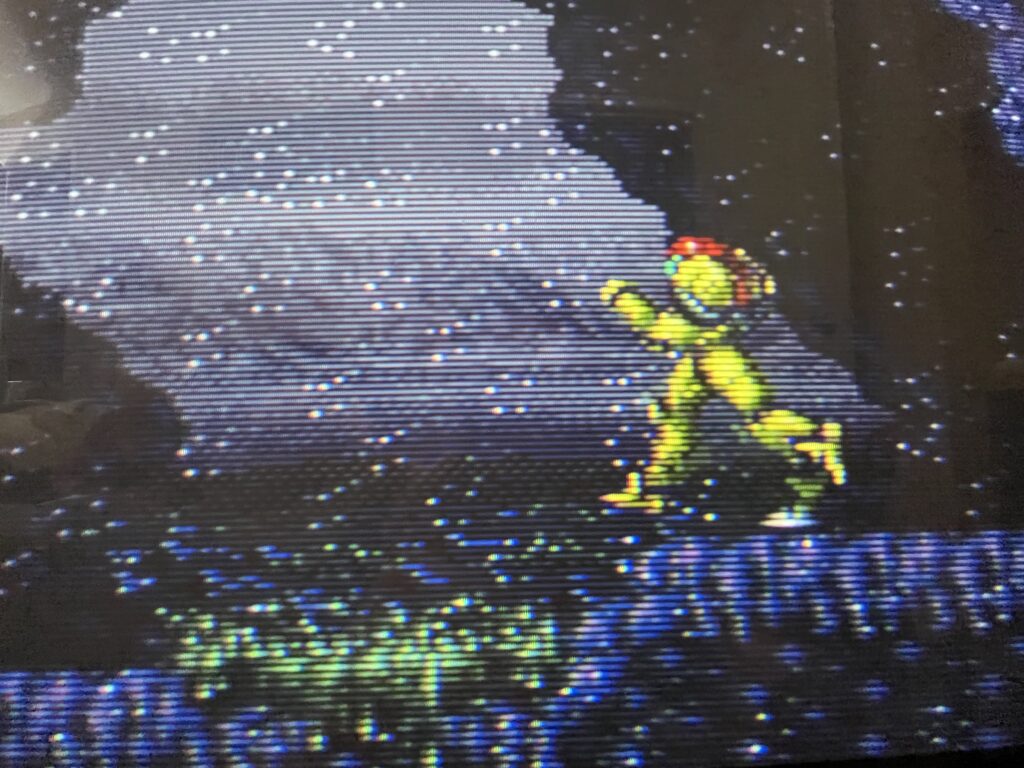
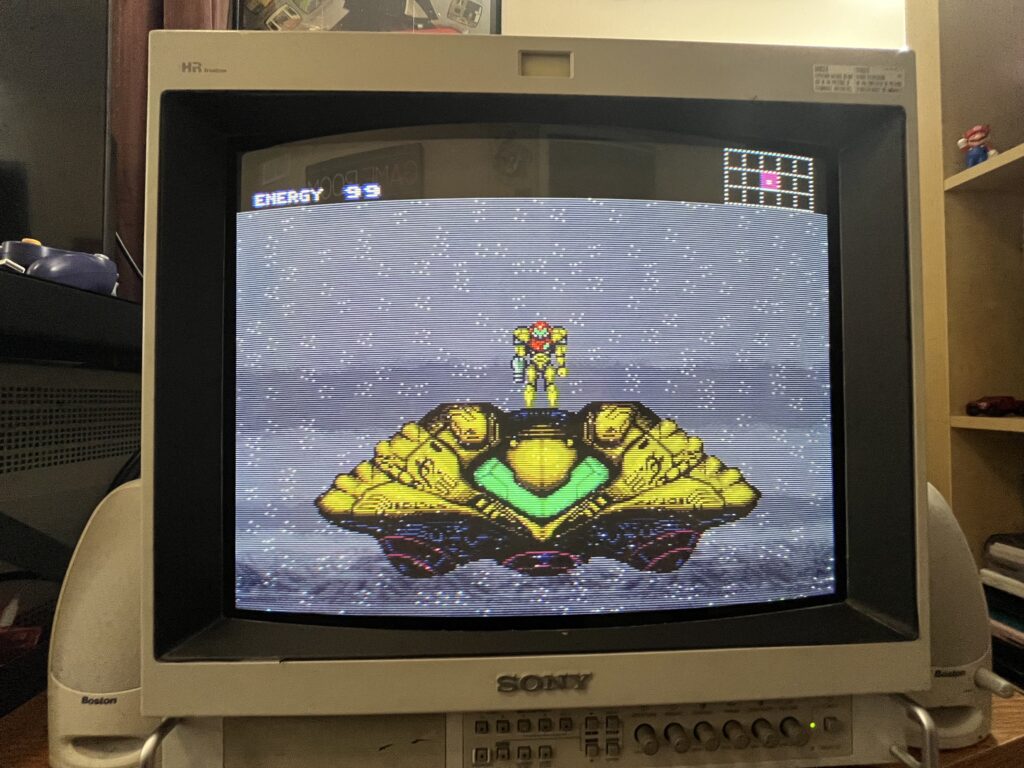
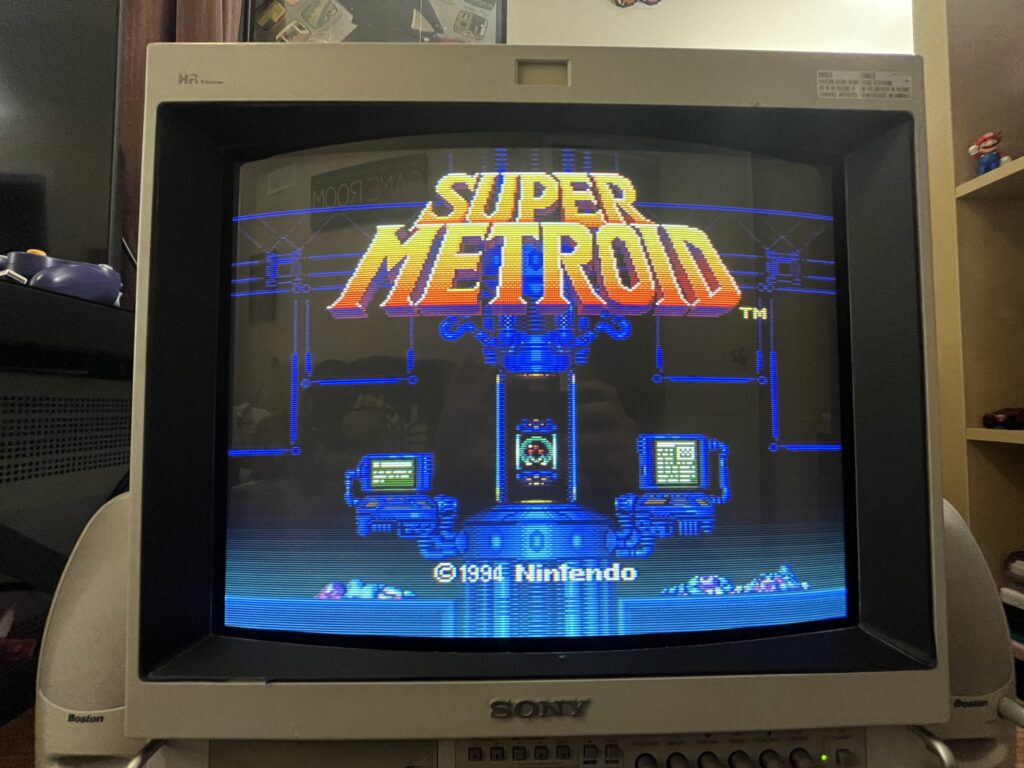
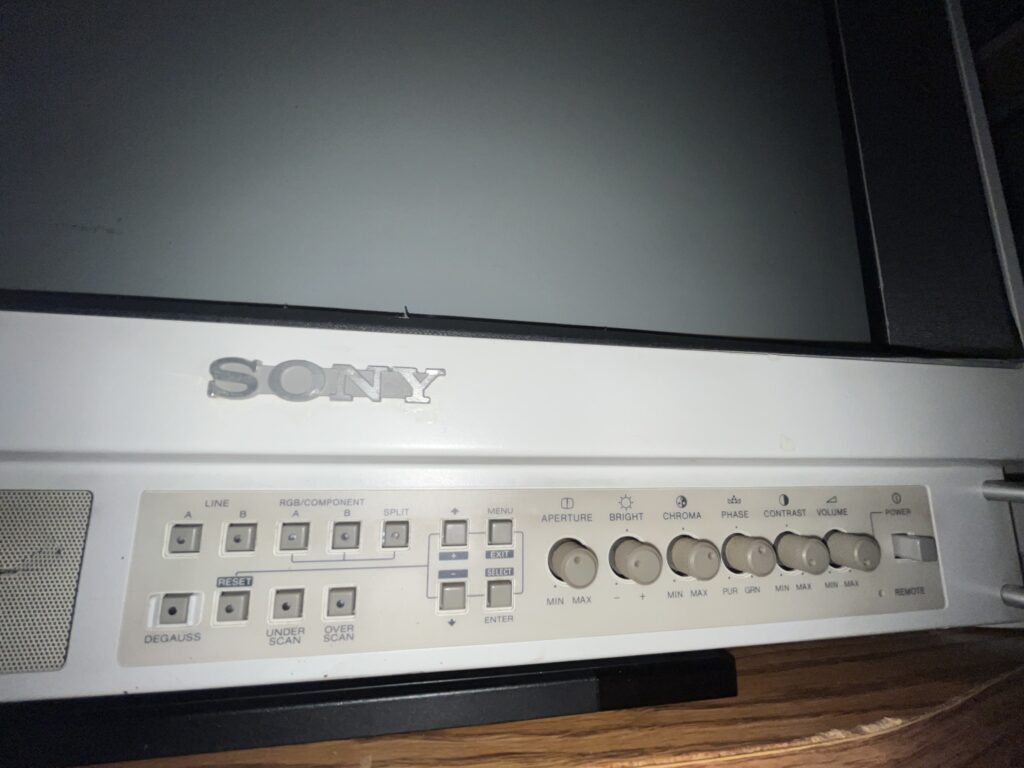
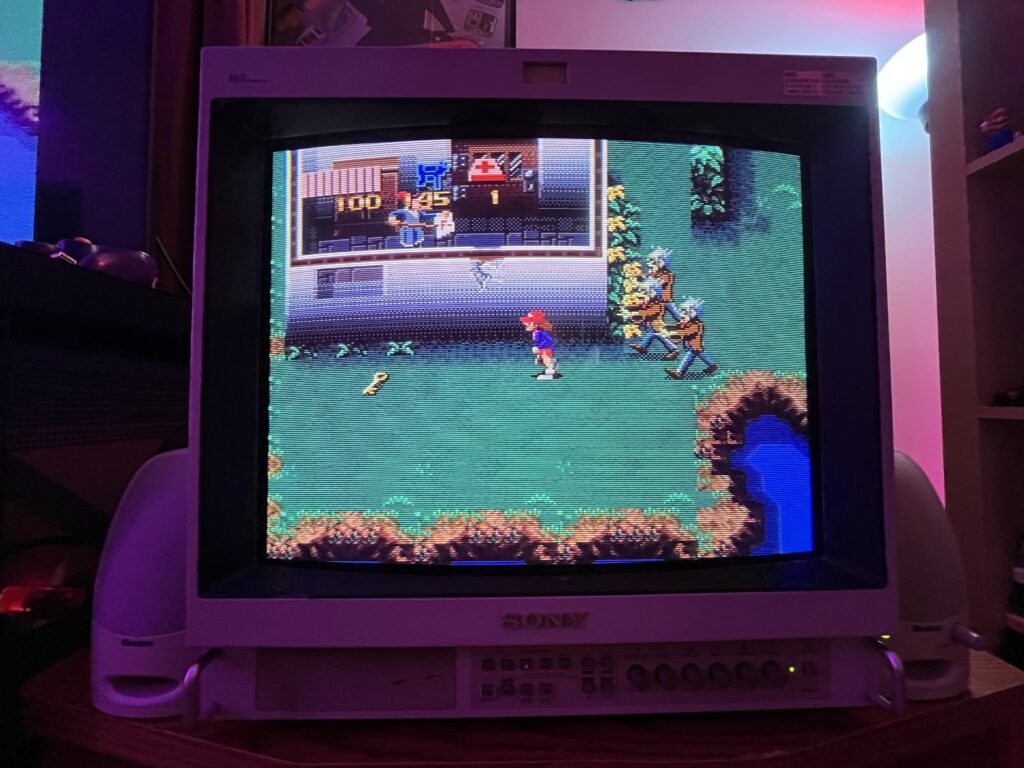
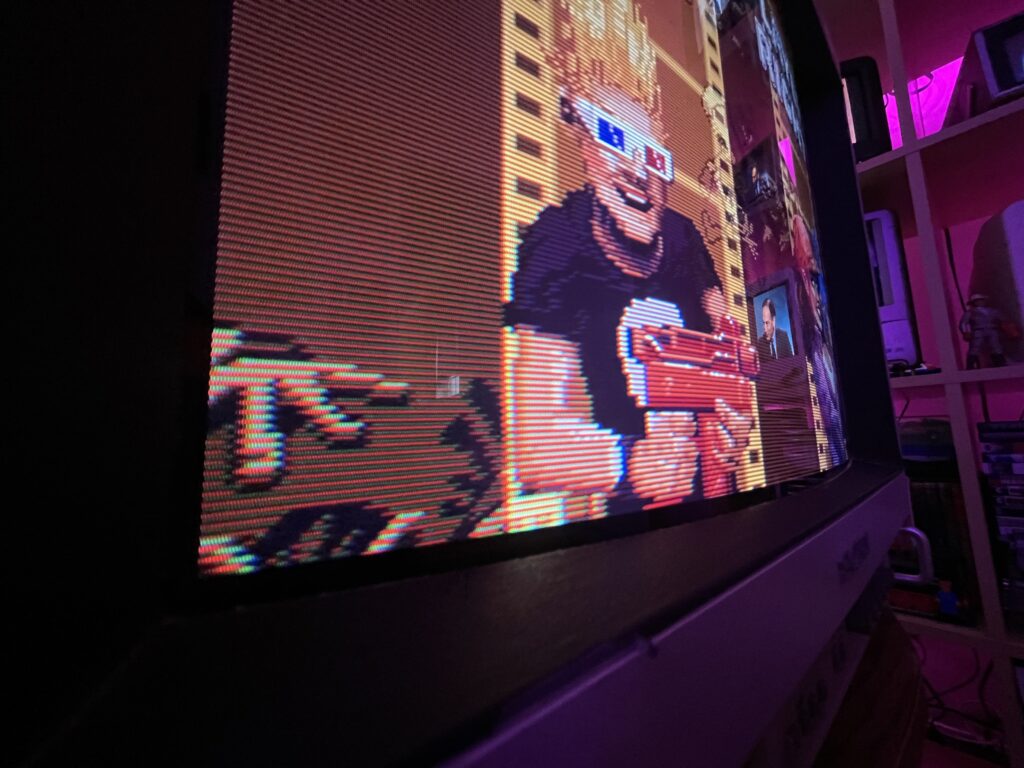
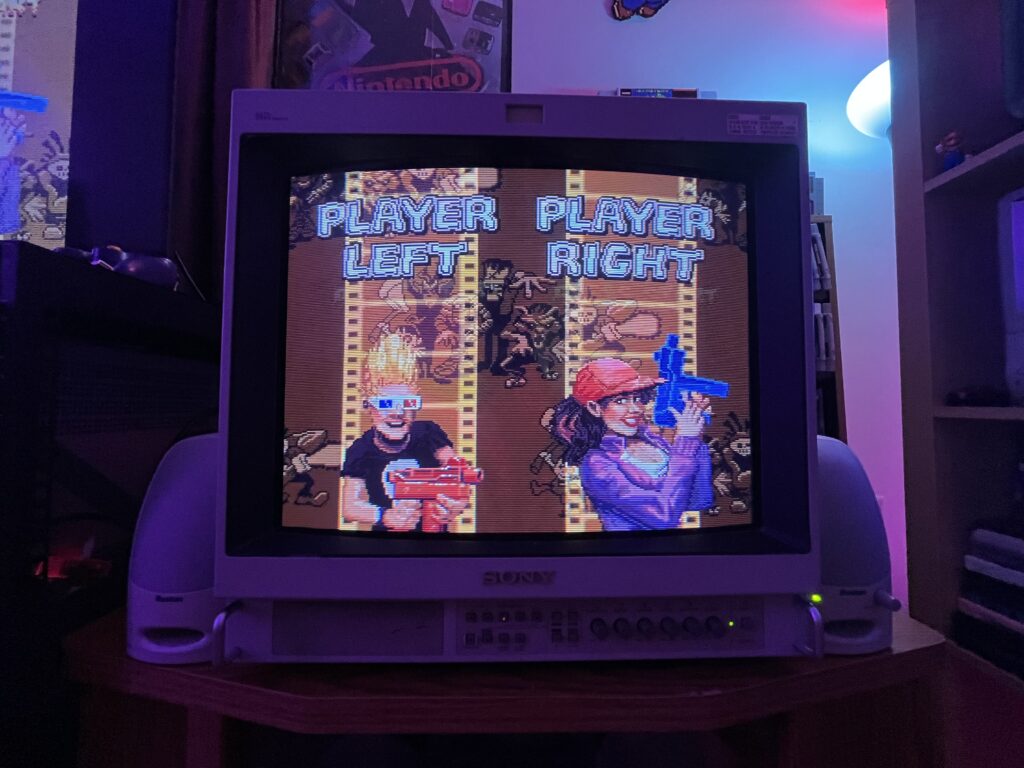
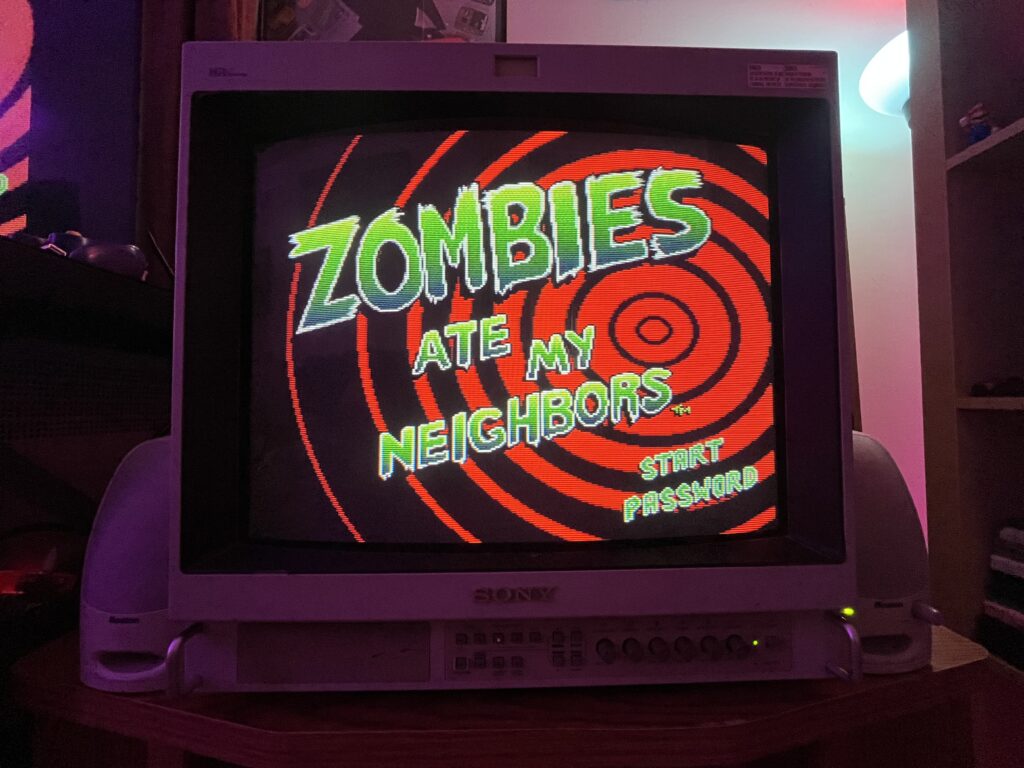
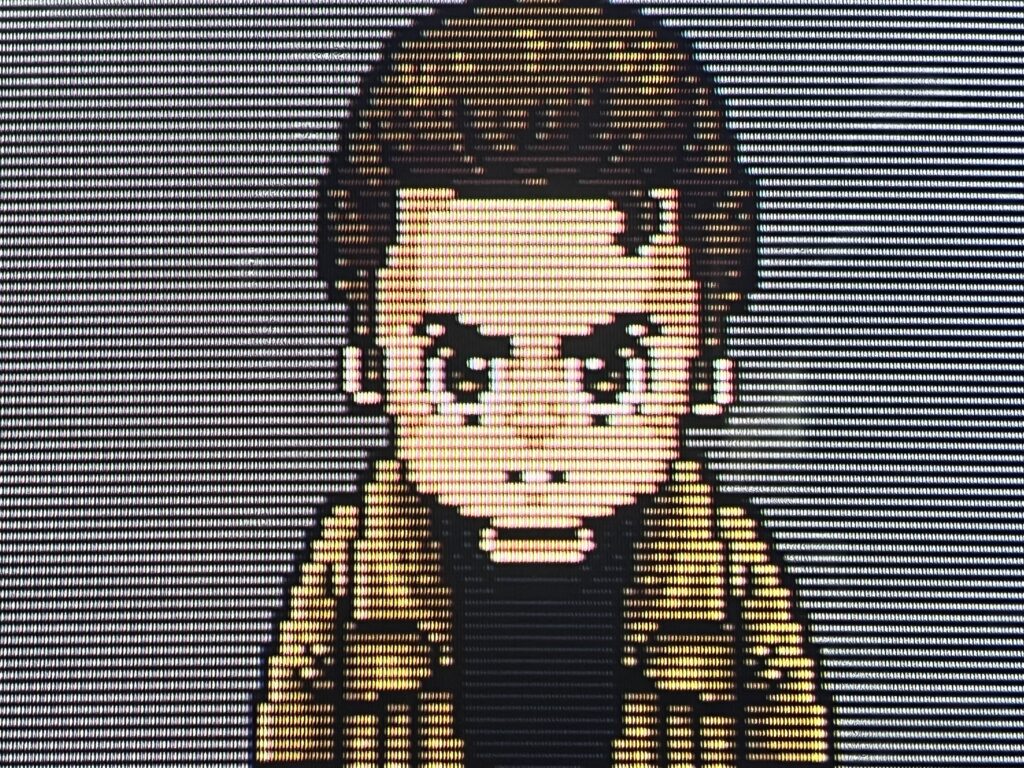
She was a monster sitting under terrible setup work….. So I brought her home. Four straight hours in the service menu later I understood what this monitor actually was. Half these monitors are running around with twenty years of bad settings, stretched raster adjustments, overscan abuse, and owners smashing buttons they don’t understand. Once I got into the service menu and actually treated this monitor correctly, the entire thing absolutely transformed. The geometry now is absurd for a tube this size. Not “good enough for a CRT.” I mean genuinely impressive. The convergence is tight. The linearity is excellent. The raster feels stable and composed. Even the corners cleaned up beautifully without needing internal yoke adjustment. This HR tube absolutely shreds 240p content. Sony rated these around 600 TVL center resolution and honestly it makes her PERFECT. Scanlines are BIG but not sterile. You still get blending when the content wants it. Pixel art has depth instead of looking like an emulator filter. The Olympus OEV143 is still my favorite overall PVM so far because the darker tinted tube makes games like Super Metroid look genuinely unreal. But the 1953MD is the first display I’ve owned that made me stop and go: “Wait a minute… this might actually replace the FS100.” AND THAT is not a sentence I thought I would ever say. The KV-27FS100 still has that giant consumer CRT energy. It feels warm. Huge. Cinematic. It’s probably still the better “sit on the couch and disappear into games for six hours” display… but this PVM-1953MD does something different. She feels surgical. Unlike a lot of smaller PVMs that people hype to death online, this one still has SIZE. You actually feel immersed instead of hunched over staring into a little cube. This is one of the few professional CRTs I’ve used that genuinely earns the obsession. I love it, and I'm so excited to actually sit down and play some games on her! 9.6/10


| Brand: | Sony |
| Manufacturer: | Sony |
| Model: | PVM-1953MD |
| Series: | PVM Q-Series |
| Viewable Size: | 19″ |
| Input Signals: | Composite, S-Video, Component YPbPr, RGB |
| Sync: | |
| Native Resolutions: | 240p, 480i |
| Linecount: | 600 TVL |
| Horizontal Scan Range: | 15 kHz |
| Vertical Scan Range: | 50 Hz, 60 Hz |
| Formats: | NTSC, PAL, NTSC4.43, SECAM |
| Aspect Ratio: | 4:3 |
| Mask: | Aperture Grille |
| Adjustments: | External Potentiometers, OSD Customer Controls, OSD Service Menu |
| Tube: | Sony HR Trinitron |
| Sound: | Mono |
| Chassis: | SCC-H31A-A |
| Weight: | 68 lbs (30.8 kg) |
| Dimensions (W/H/D): | 17 3/4″ wide 18 1/8″ tall 19 7/8″ deep |
| Application: | Professional |
| Cabinet Material: | Metal |
| Launched: | 1999 |
| Country of Manufacture: | Japan |
| Market: | Commerical |
| Mounting: | Rackable |
| Degaussing: | Auto-on power, Manual |
| CREDIT FOR THIS SPECIFICATIONS TABLE GOES DIRECTLY TO: | Benjamin McKees research of the Service manual. |
Owner's Manual
Service Manual













Many technical specifications listed on this site are sourced from the CRT Database. Their work documenting CRT displays is extensive, accurate, and incredibly valuable to anyone interested in this hardware.

Whenever specifications are used from their database, proper credit is given.

If you want deeper technical details on any CRT mentioned here, you should absolutely reference their site.


CRT Database: https://crtdatabase.com
Portions of this page include archived materials, images, and reference content originally published by Sony. These assets were sourced from publicly available historical snapshots via the Internet Archive and are used for informational, educational, and preservation purposes only.

All trademarks, logos, and original materials remain the property of their respective owners. This site is an independent archival project and is not affiliated with or endorsed by Sony. If you are a rights holder and would like any material removed or credited differently, please contact me and I will address it promptly.