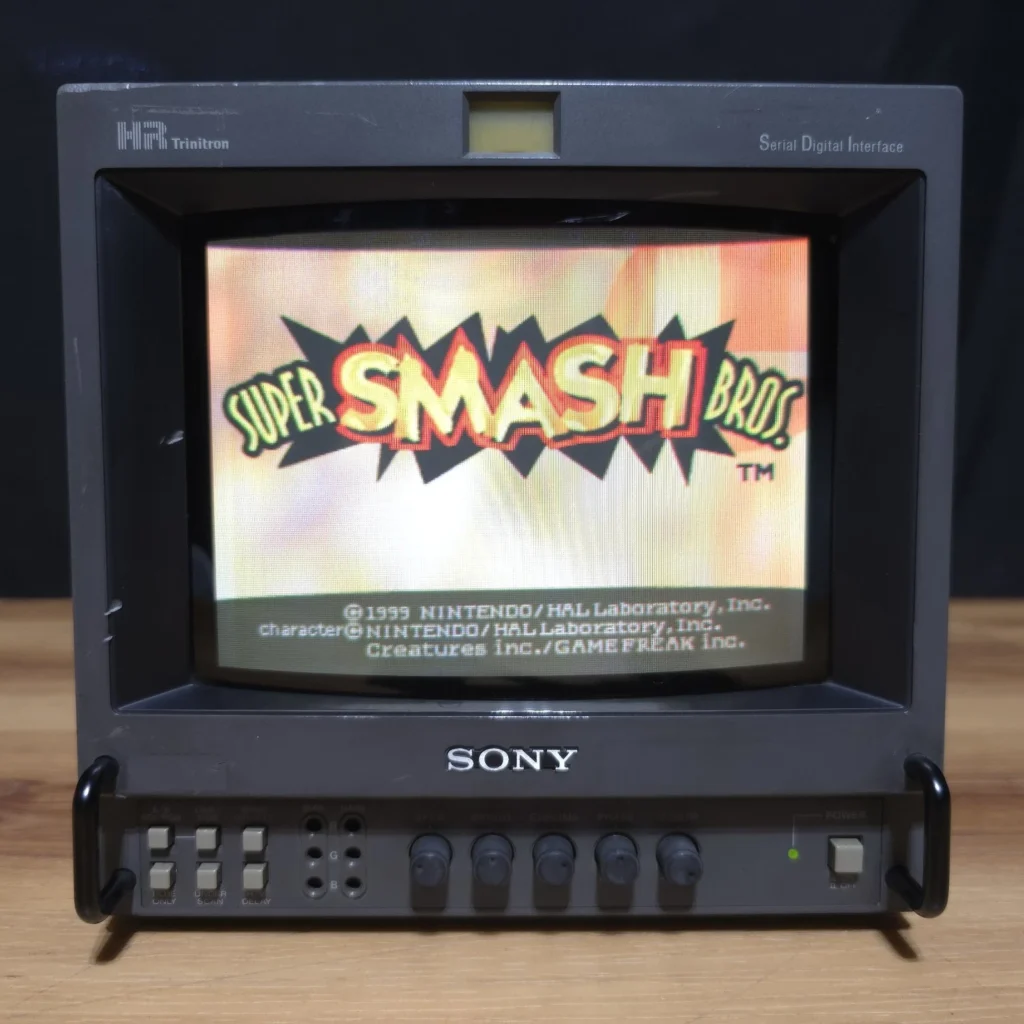
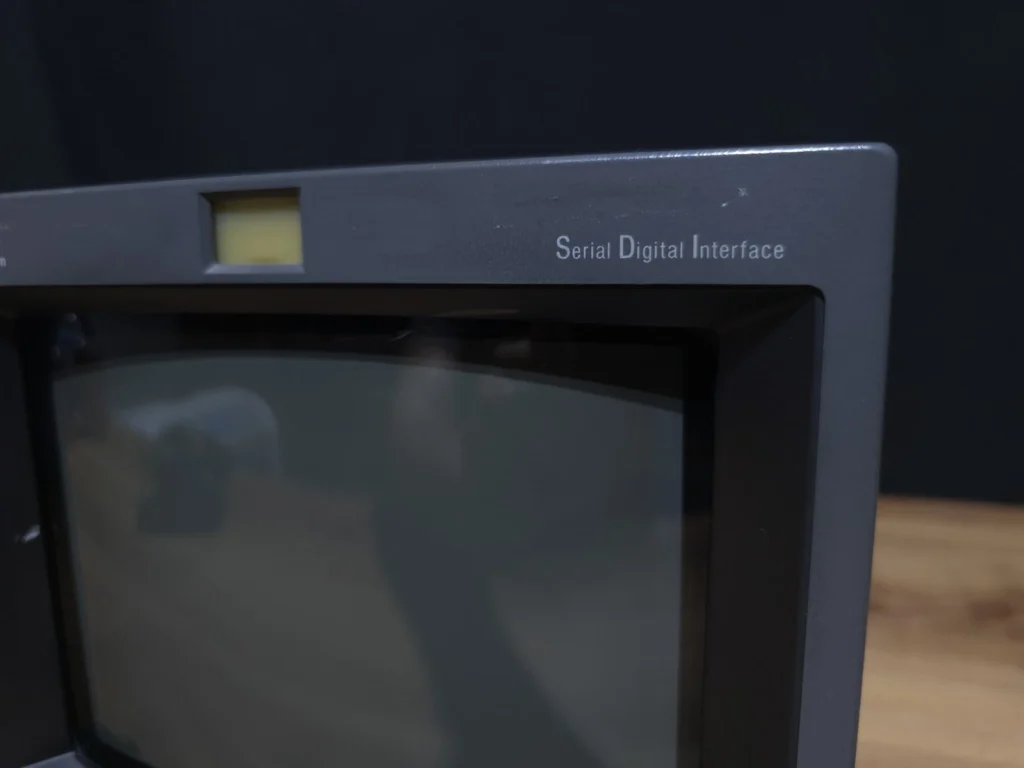
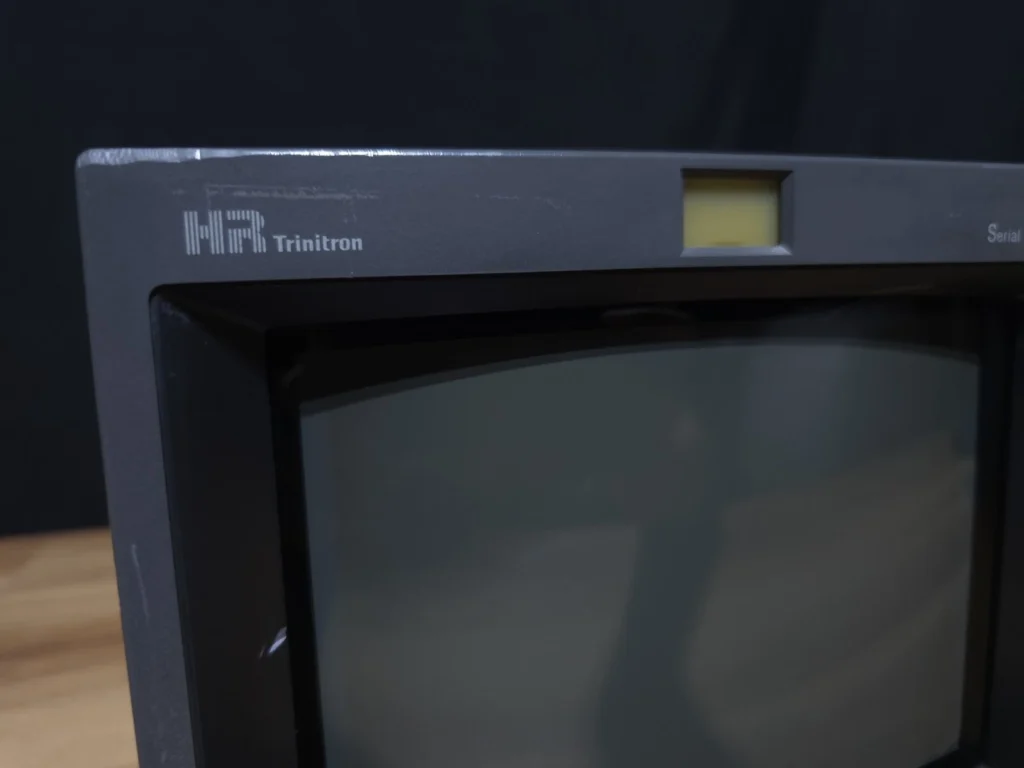
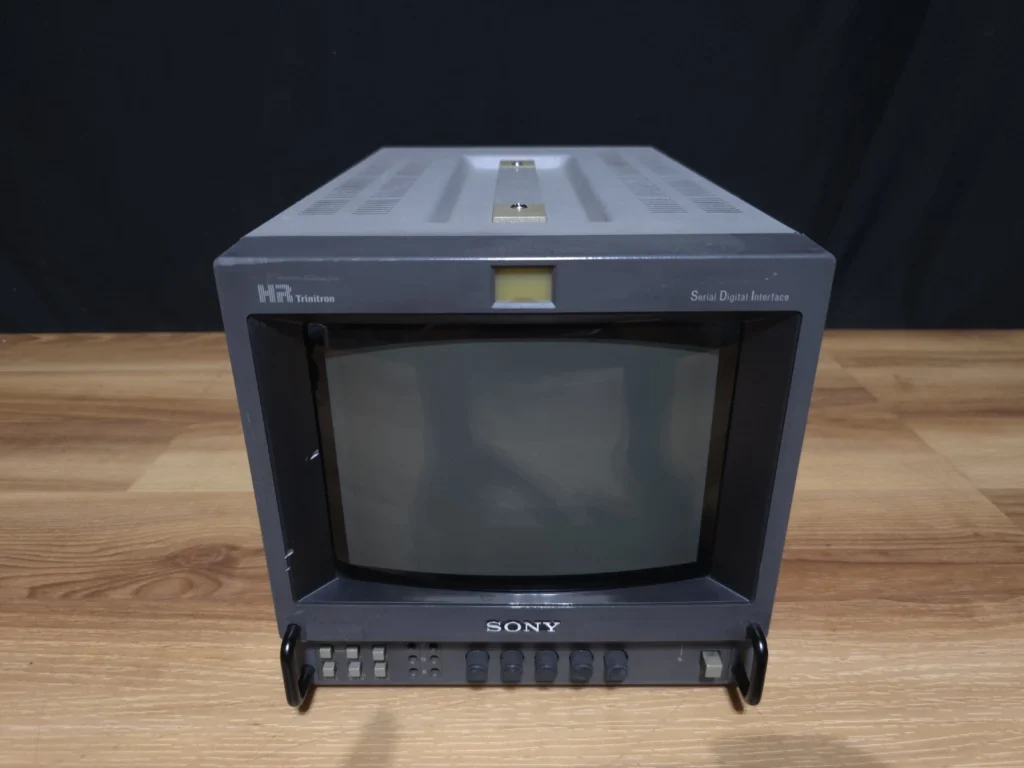
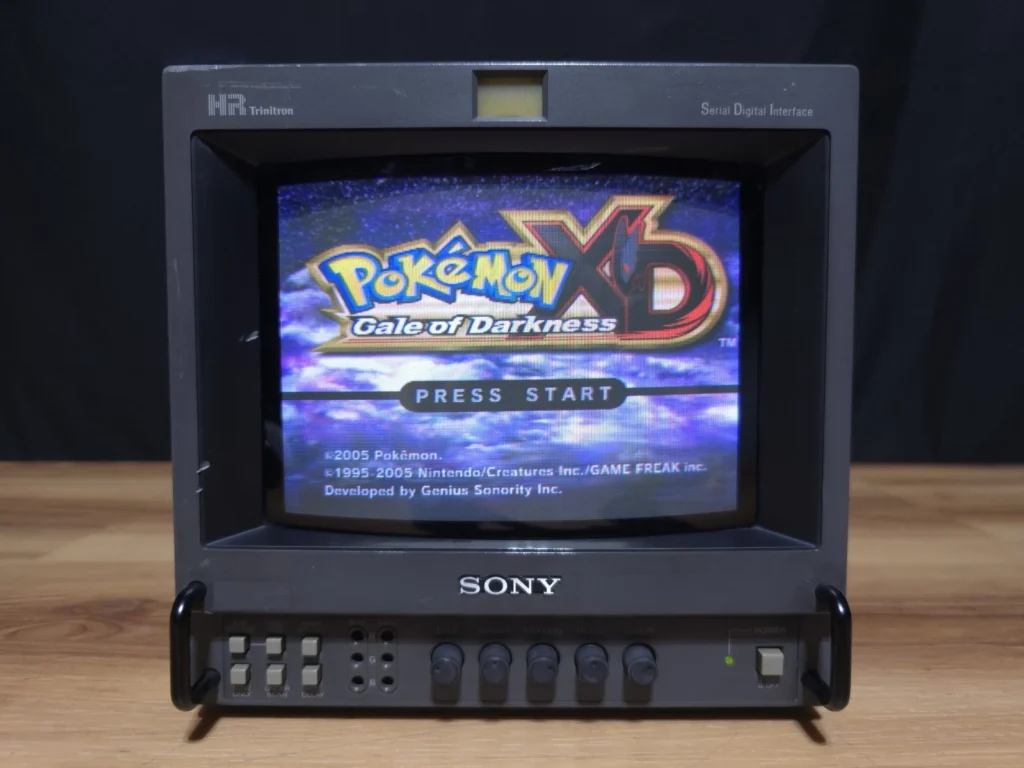
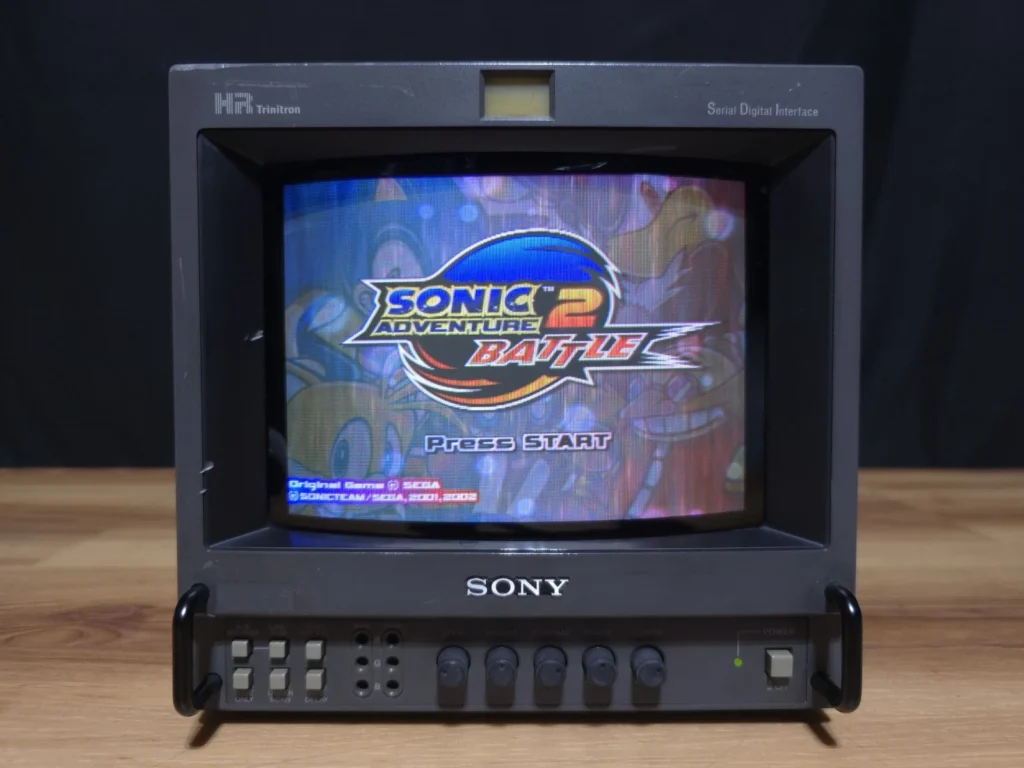
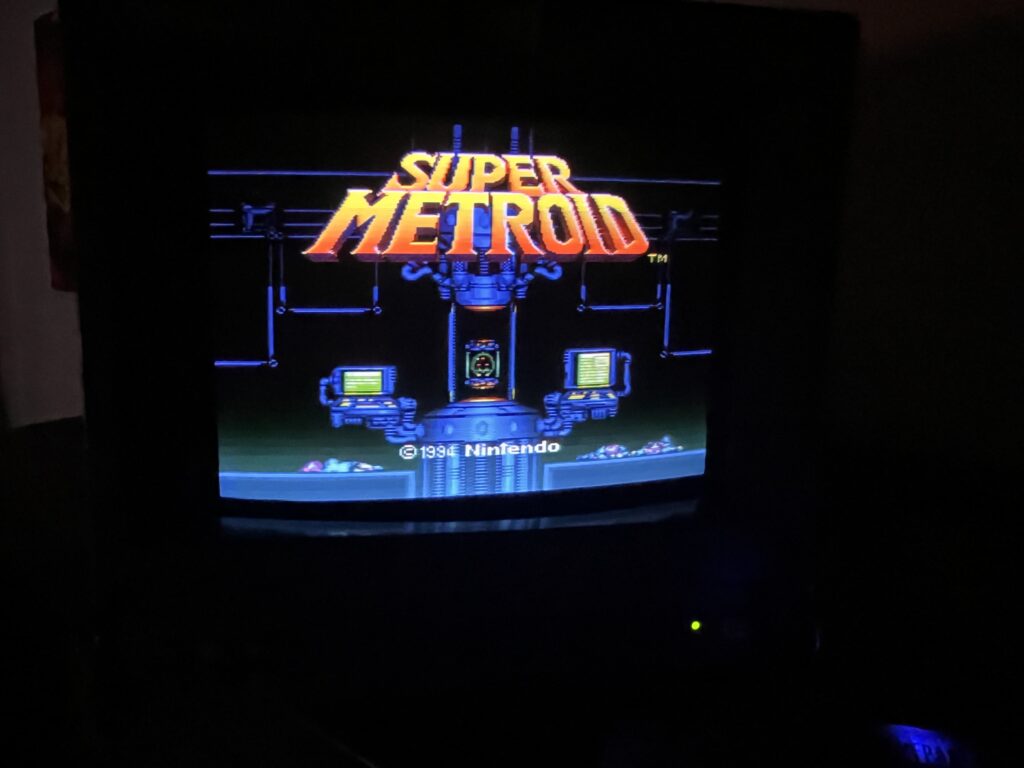
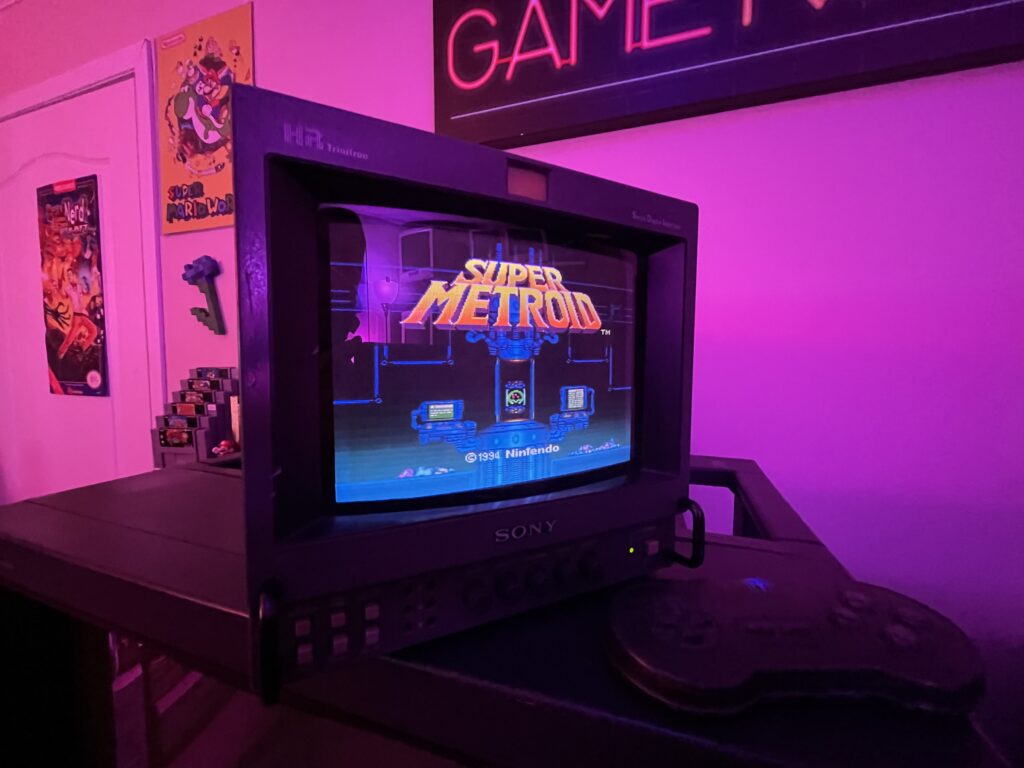
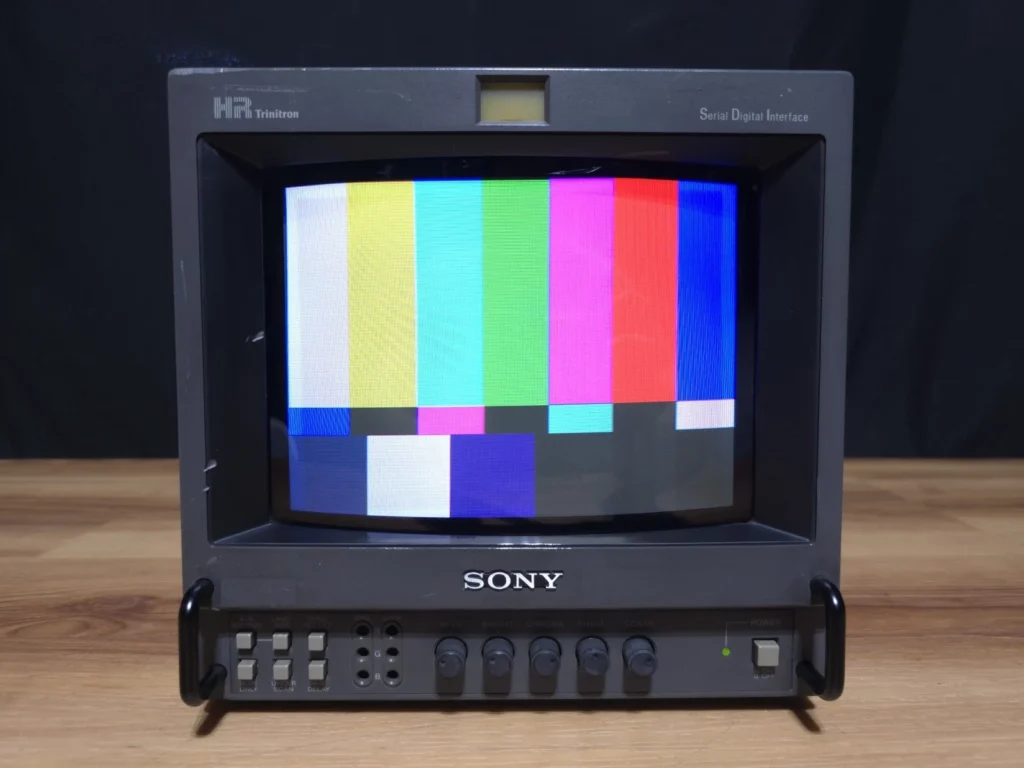
I told myself I was done buying CRTs. Apparently eBay didn't get the memo.

This thing popped up or a good price and I kept telling myself I didn't need it. I already own a PVM-8044Q and a BVM-D14H5J, so another 9-inch standard definition monitor made absolutely no sense. Naturally... I bought it anyway.

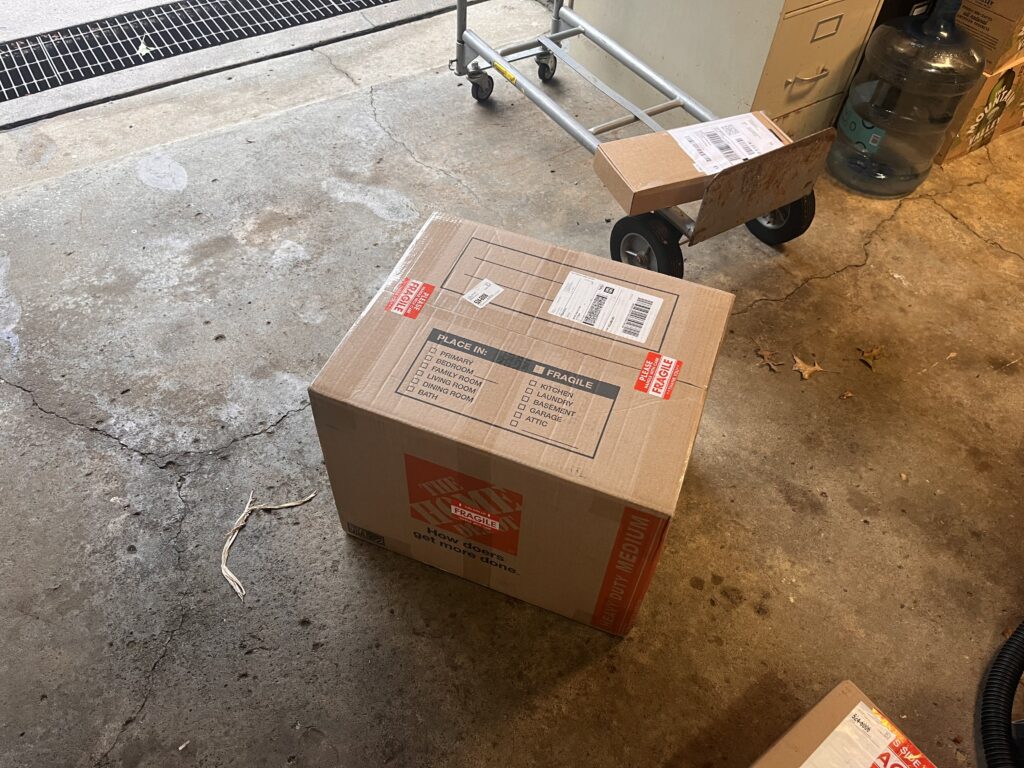
While it was shipping I started second guessing myself. Did I overpay? Was the burn going to be worse than the pictures? Was FedEx going to destroy it? You know the usual dark thoughts of a CRT enthusiast.... when it finally arrived, the first thing I checked was shipping damage.

Nothing. She powered right up and worked flawlessly. The honeymoon ended quickly but I cant be too upset.

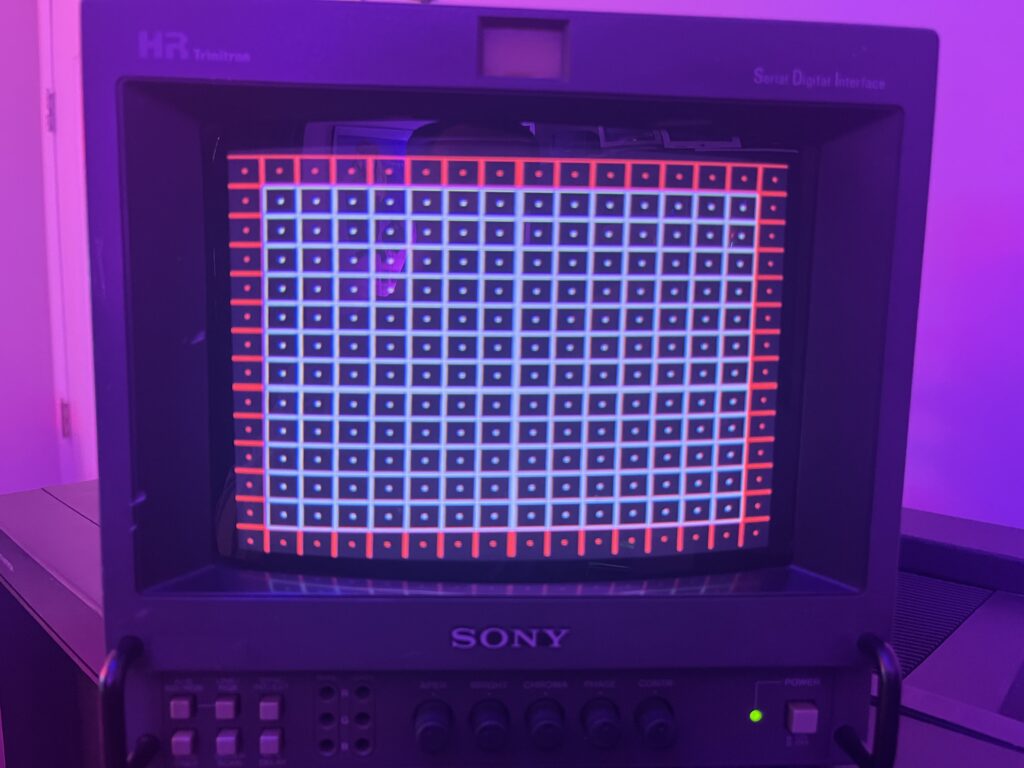
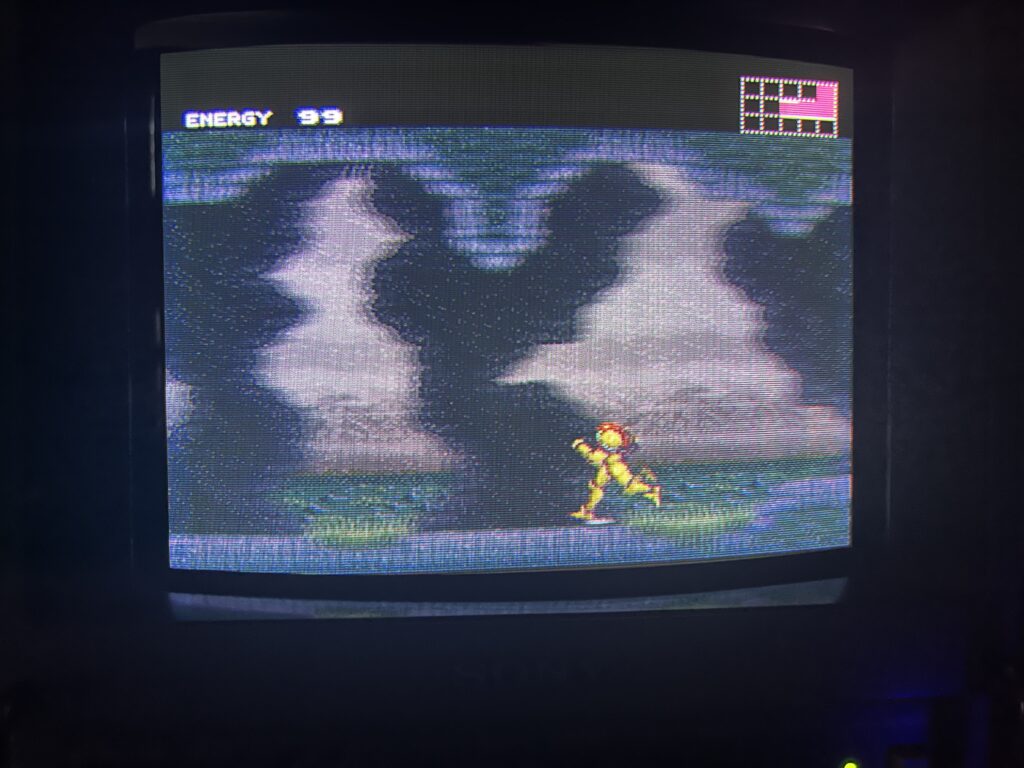
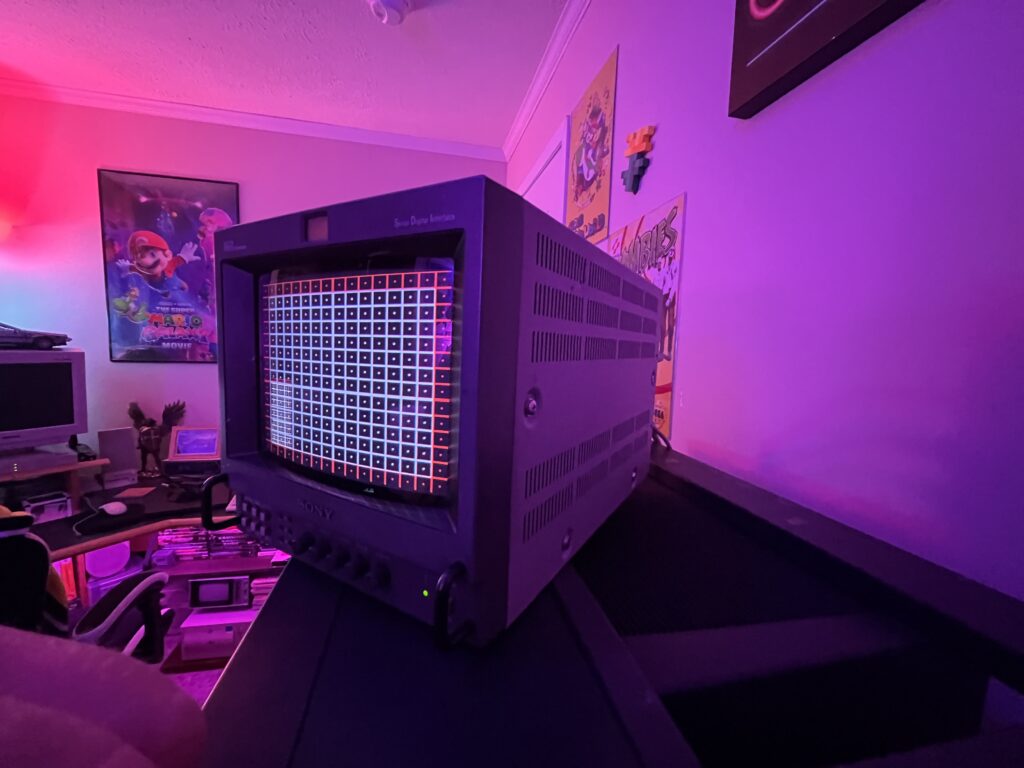
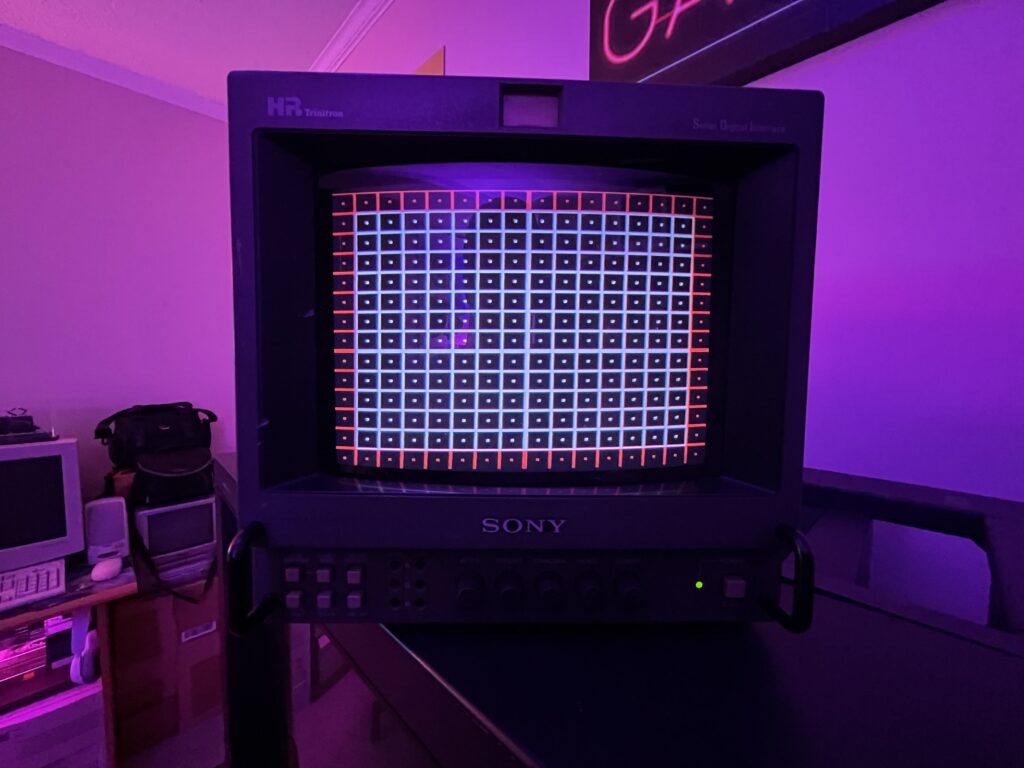
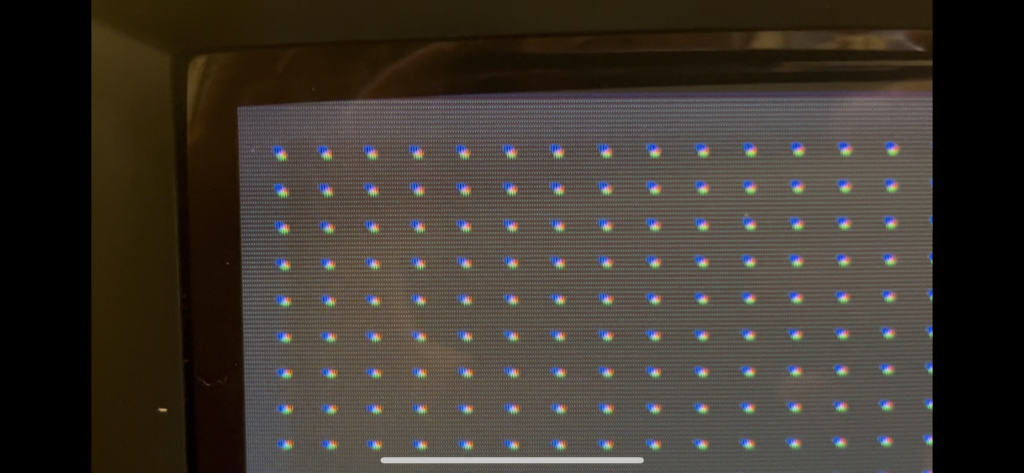
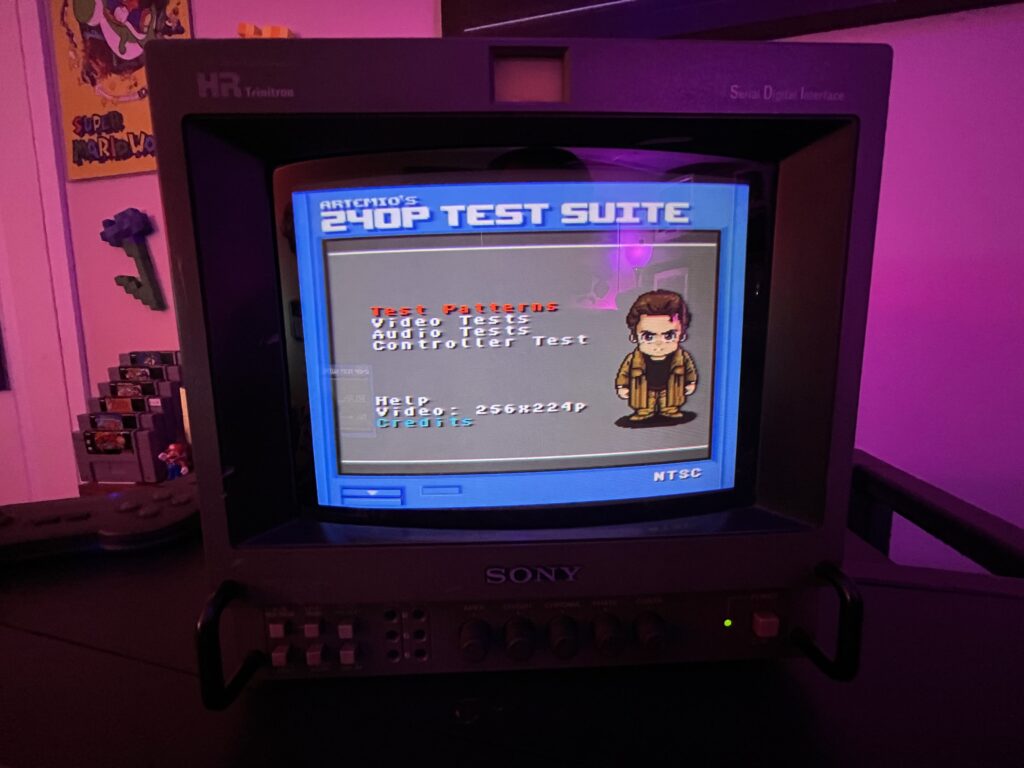
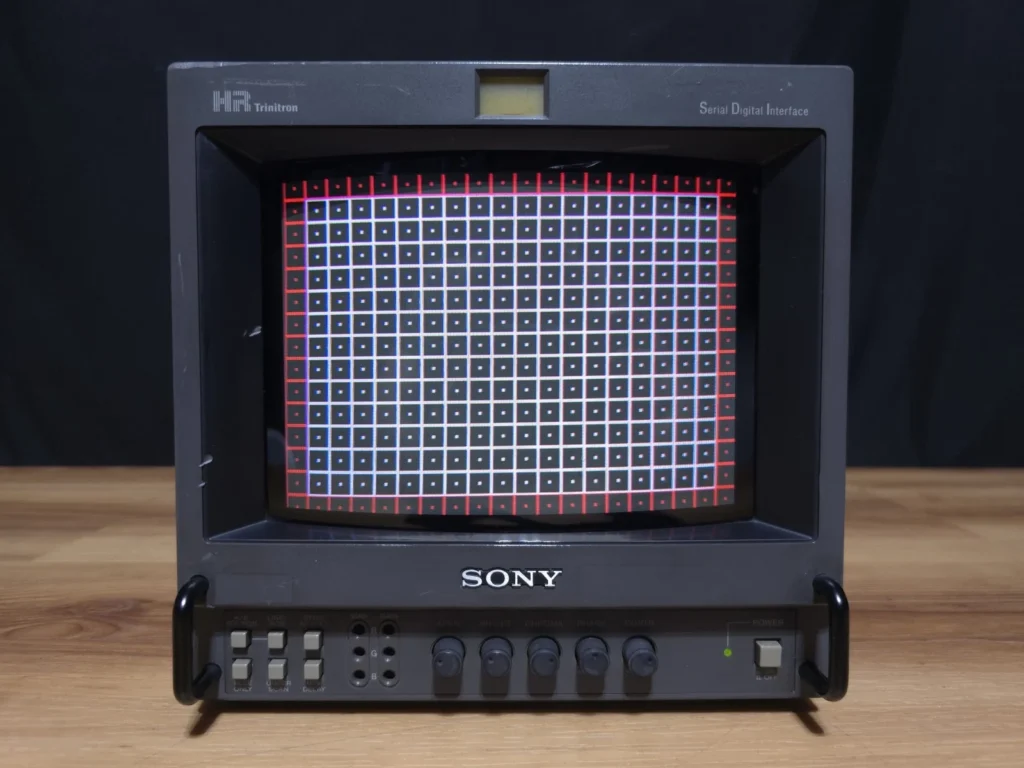
The convergence is honestly pretty rough. On a 9-inch monitor you're sitting right on top of the screen, so you notice every little bit of color separation. White text has colored edges and the dot pattern makes it painfully obvious. Hopefully it's something that can be improved with adjustments because the rest of the monitor deserves it.

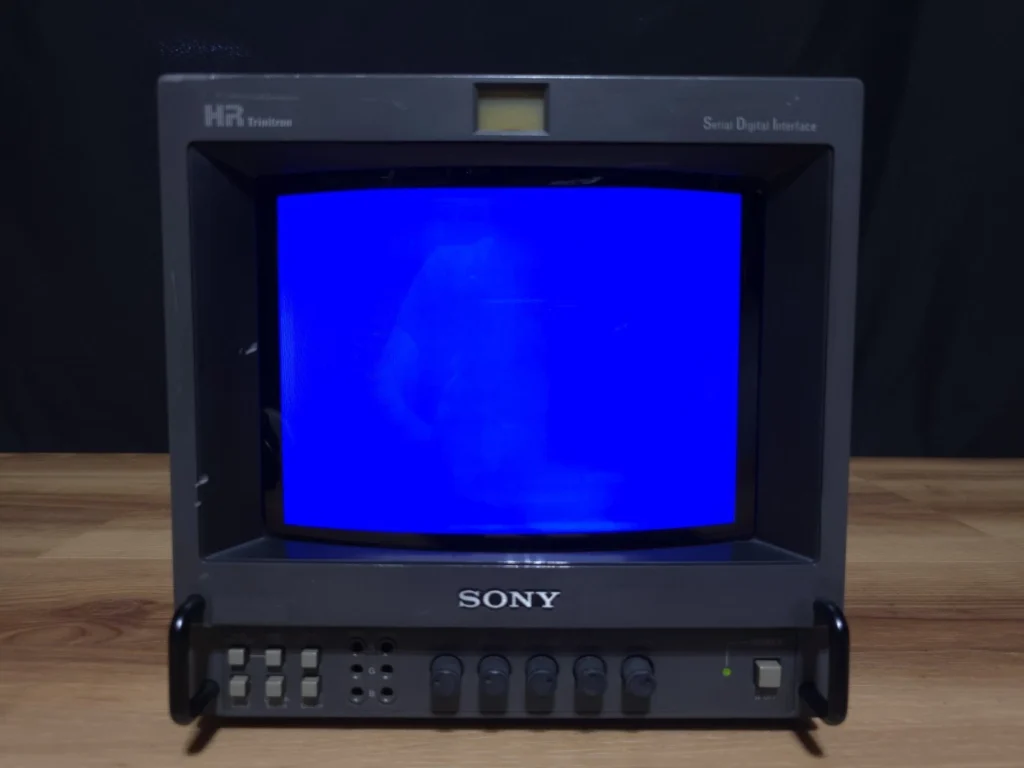
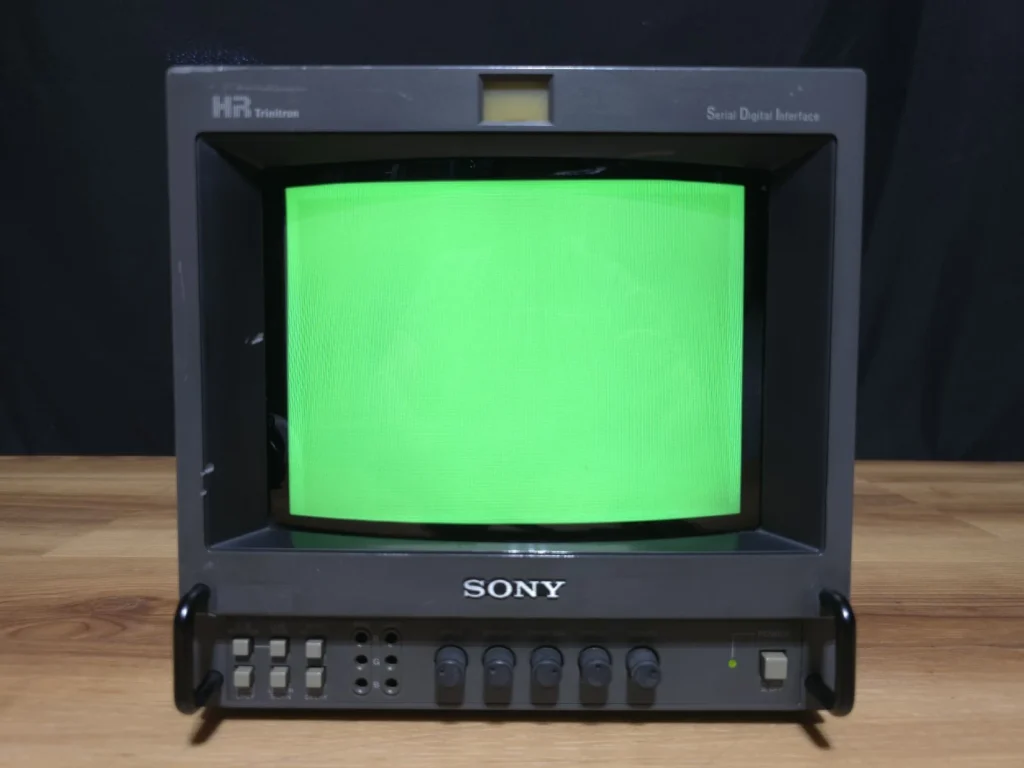
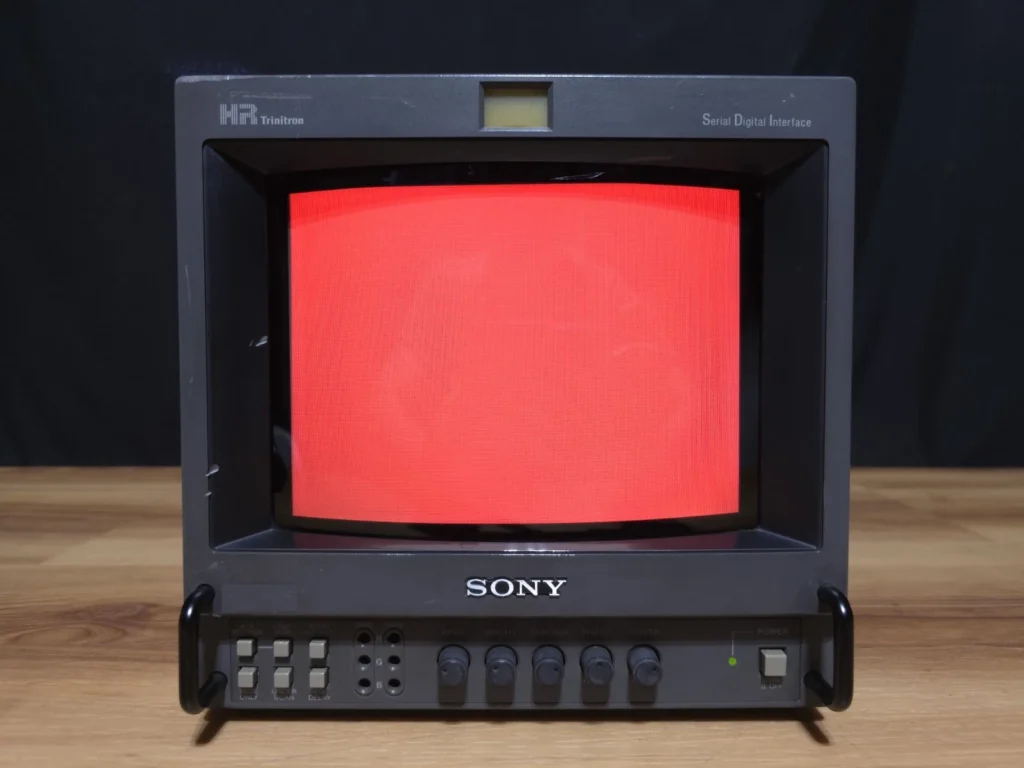
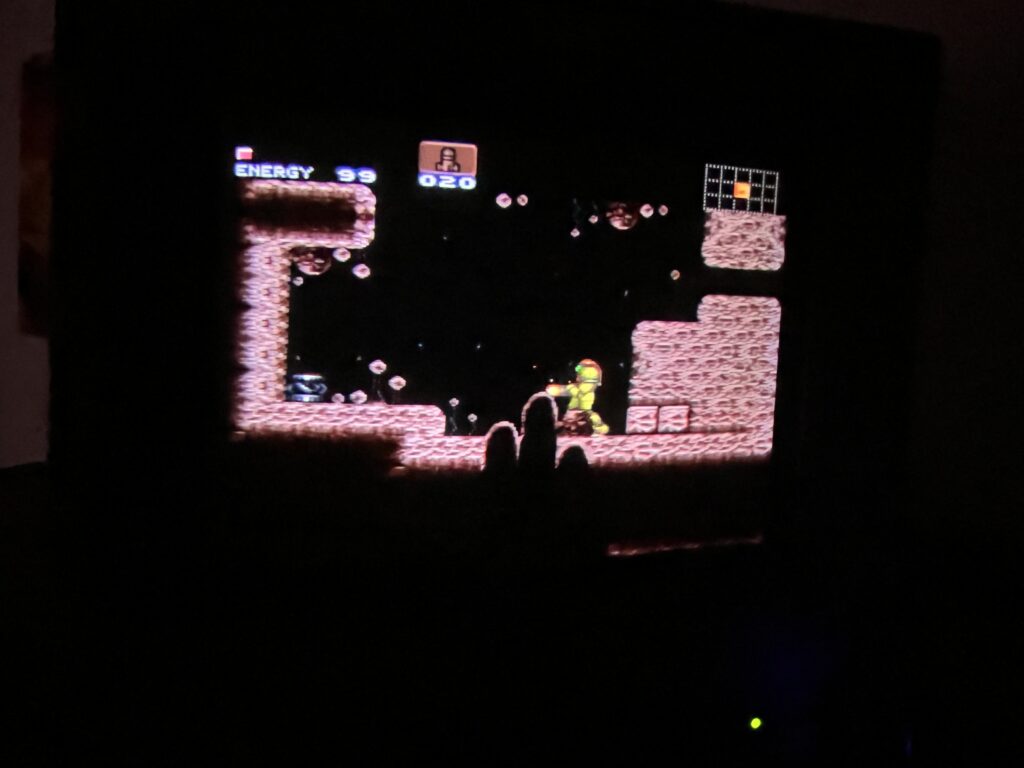
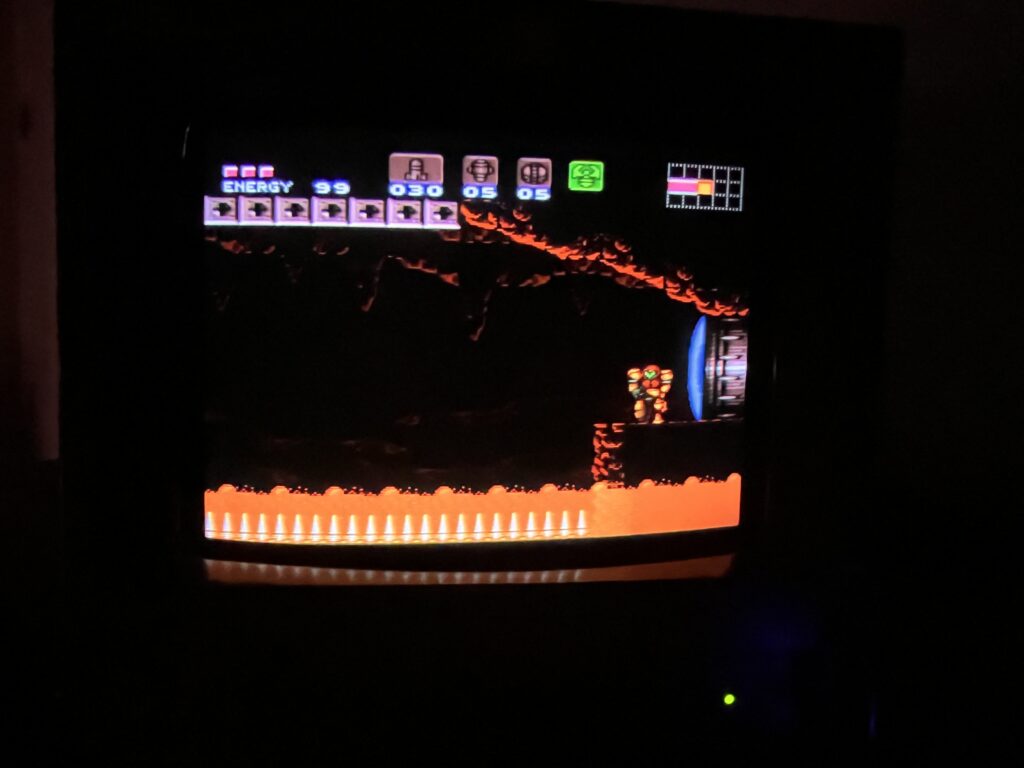
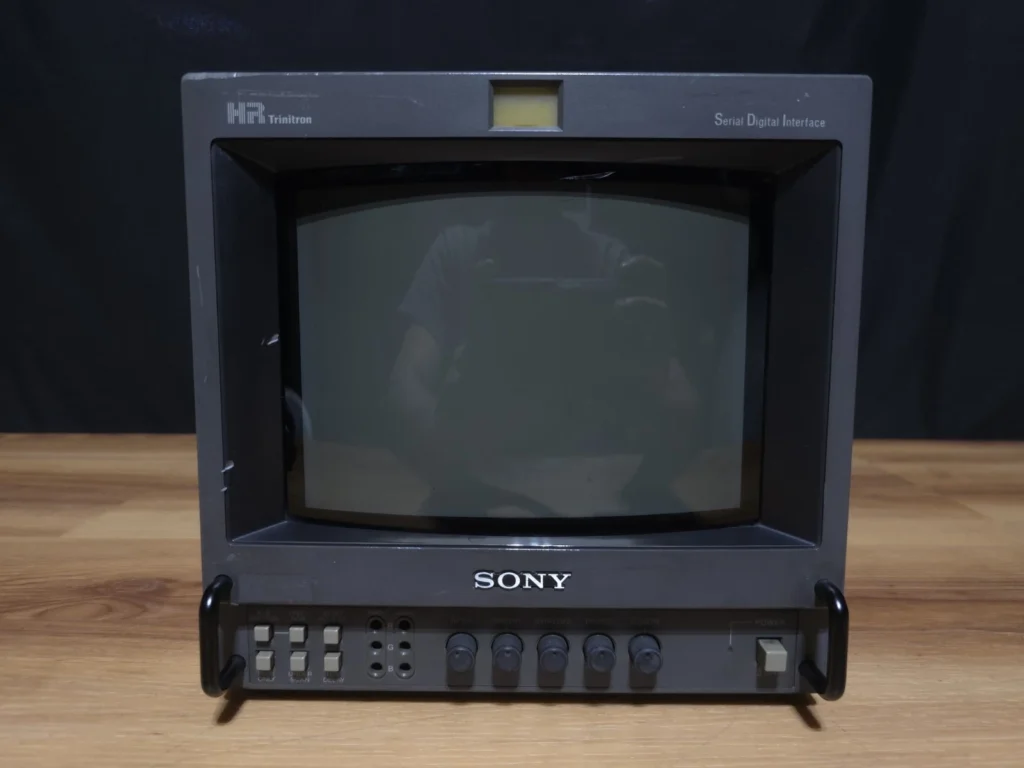
The burn is also worse than the listing made it look. It's a perfect underscan rectangle, exactly what you'd expect from years of broadcast use. During gameplay it mostly disappears, especially with the brightness set correctly, but throw up a gray background or crank the brightness and it becomes much more noticeable. I wouldn't call it a deal breaker, but it definitely wasn't represented as well as it could have been.

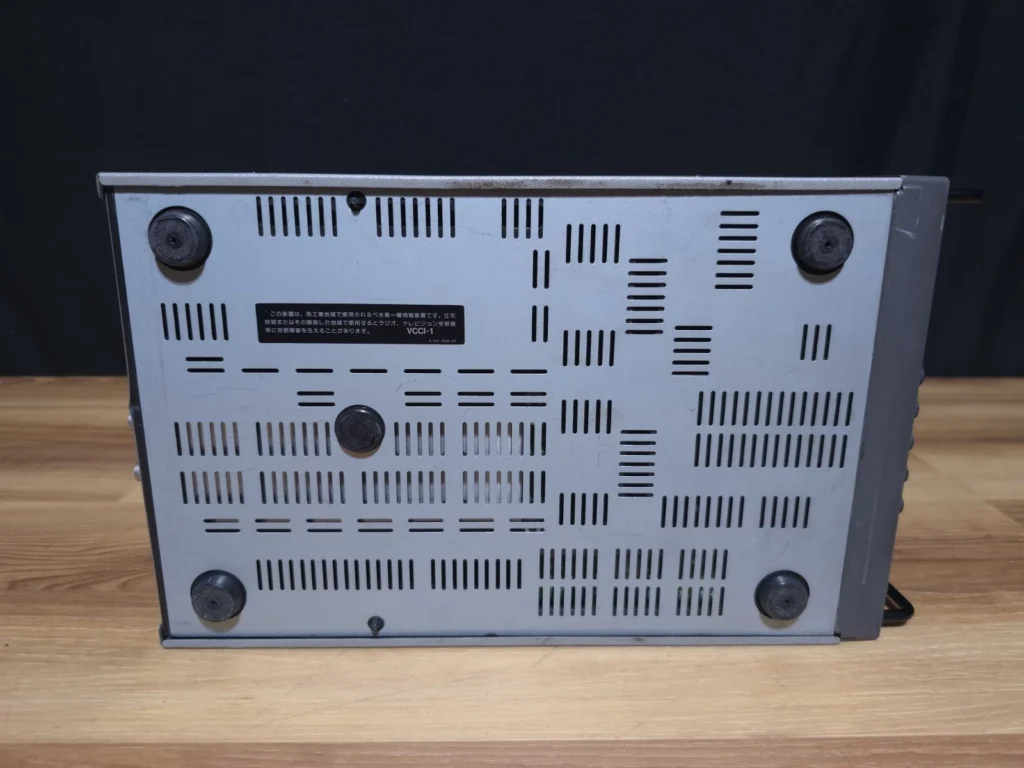
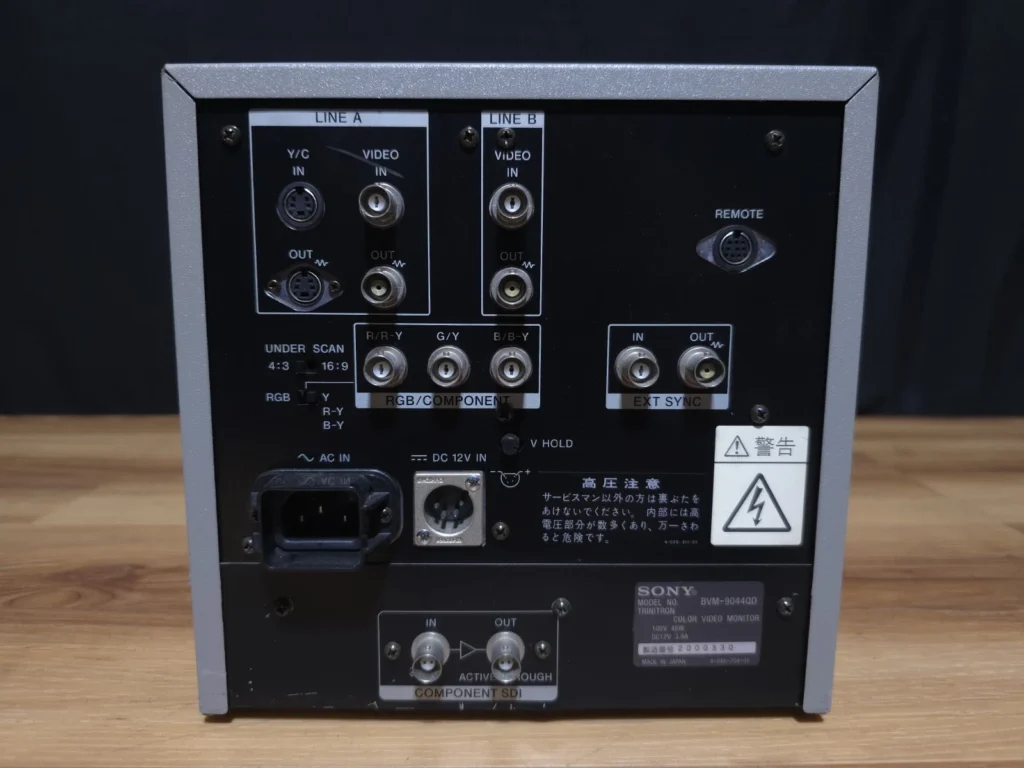
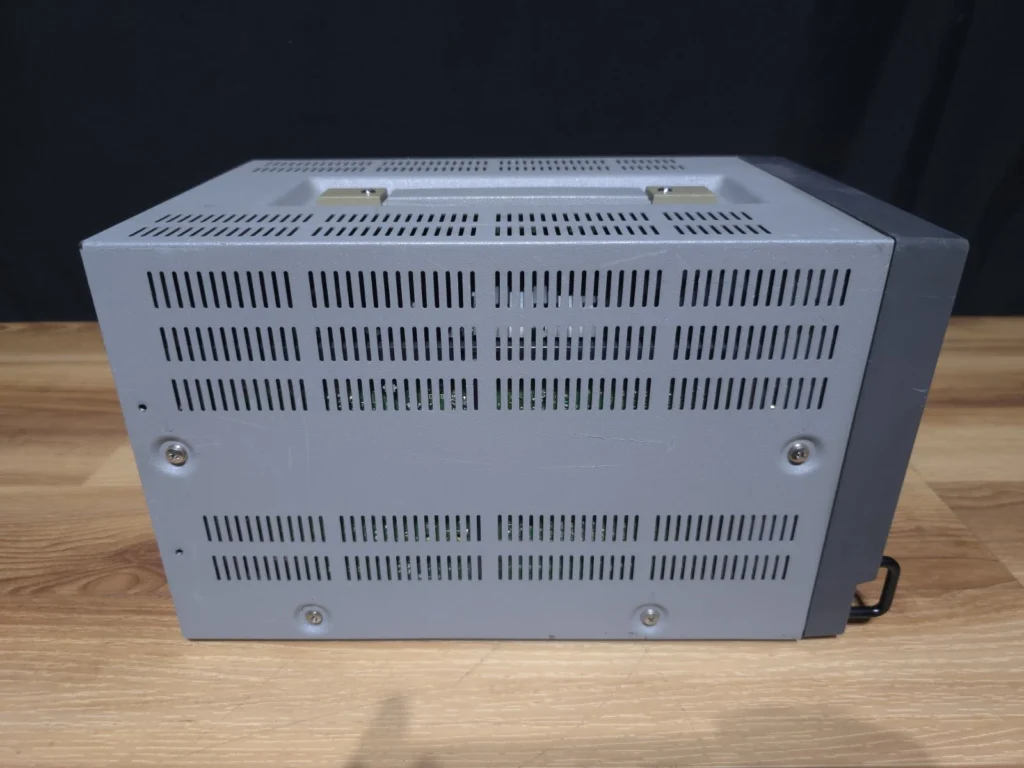
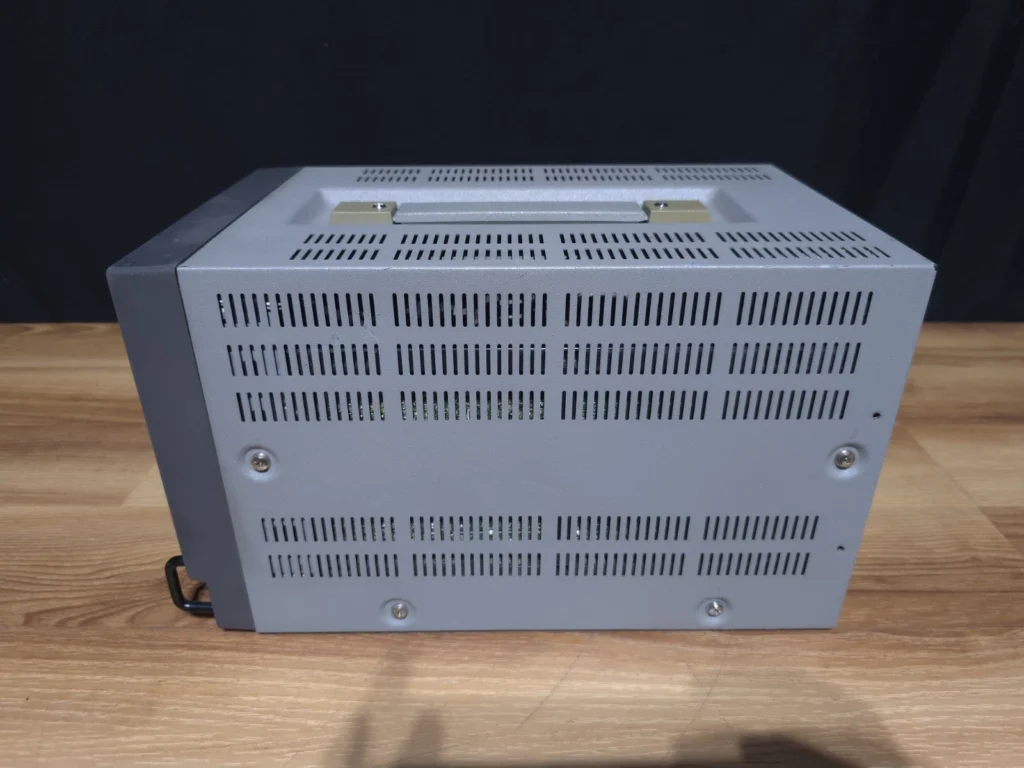
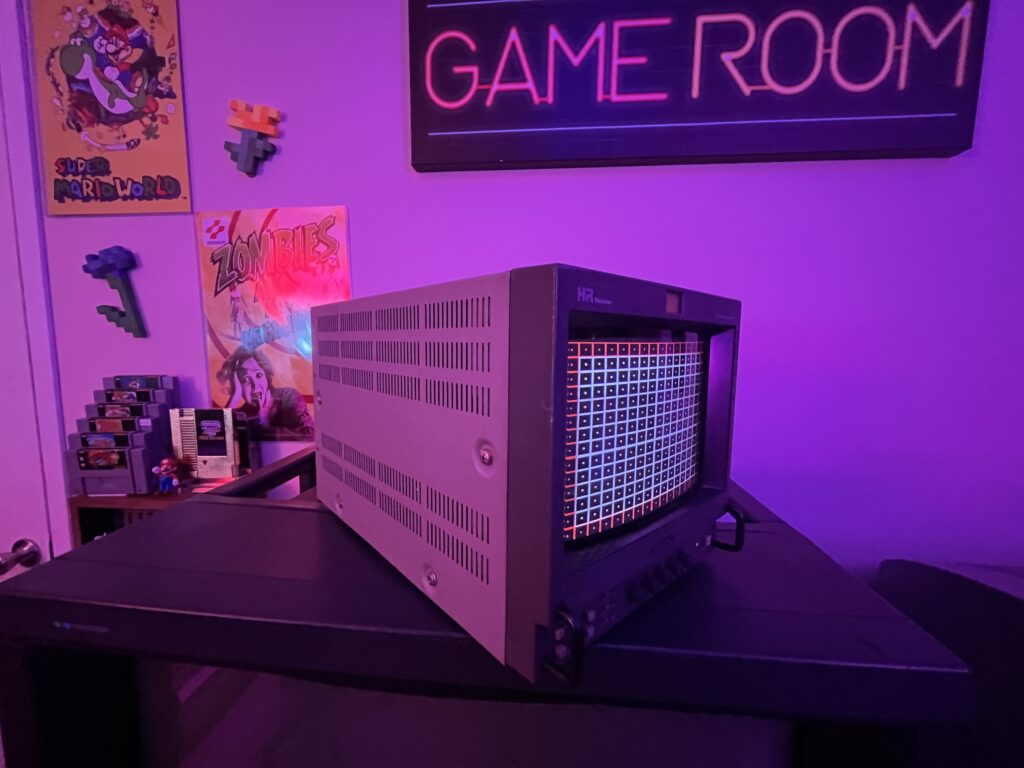
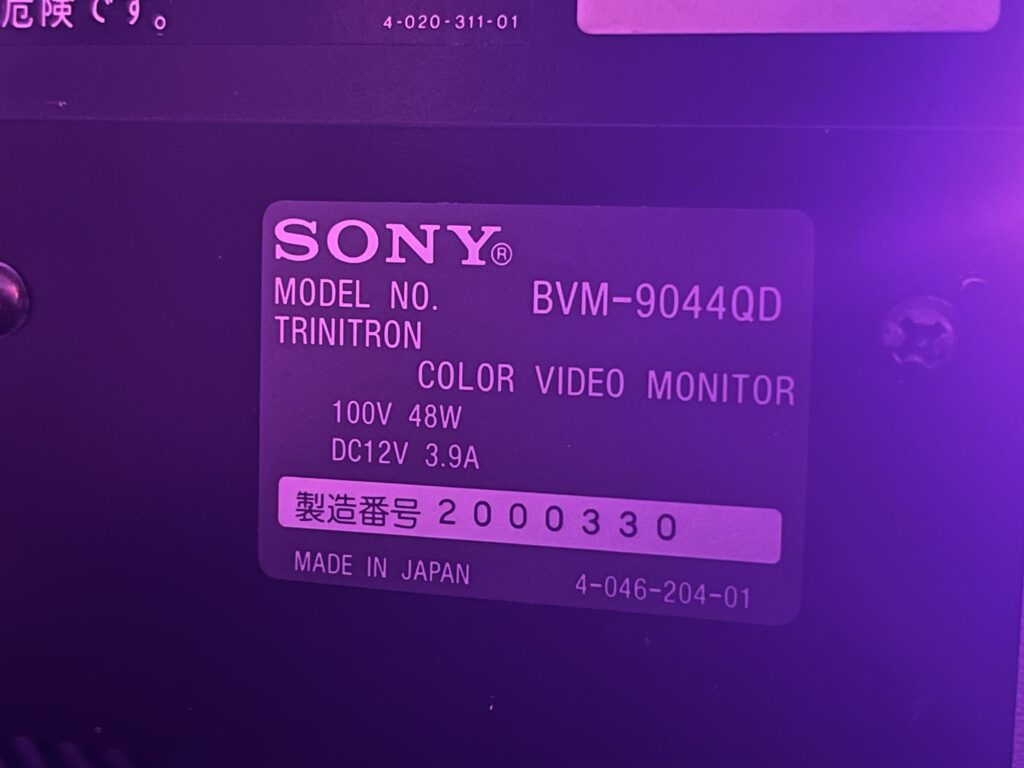
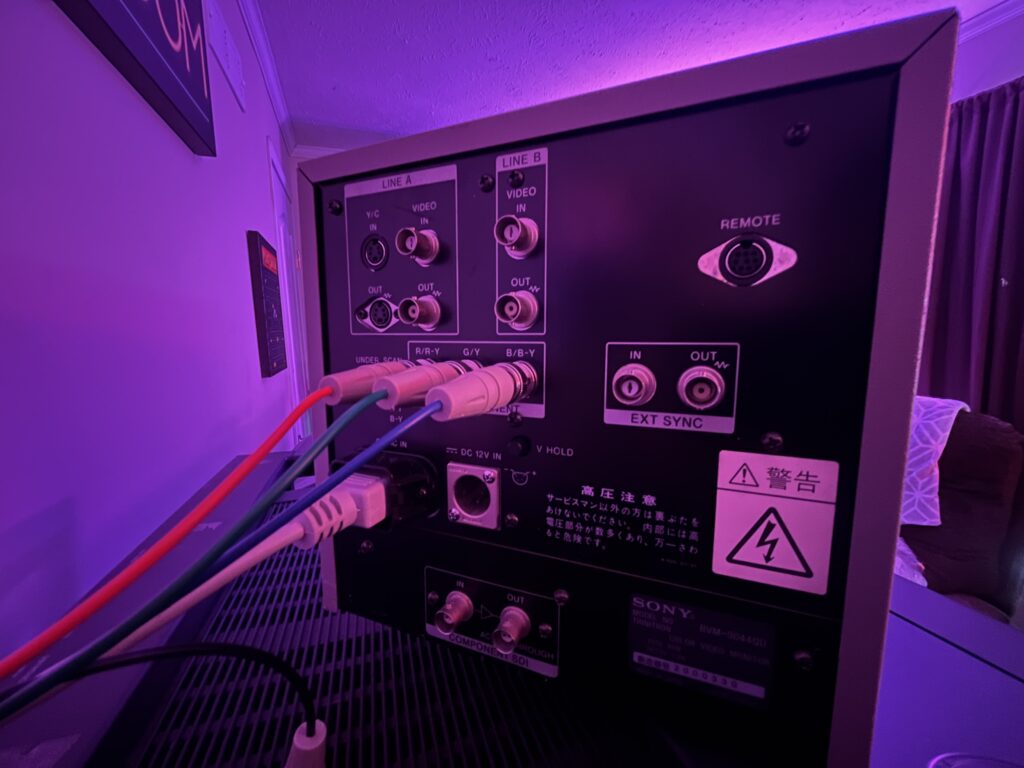
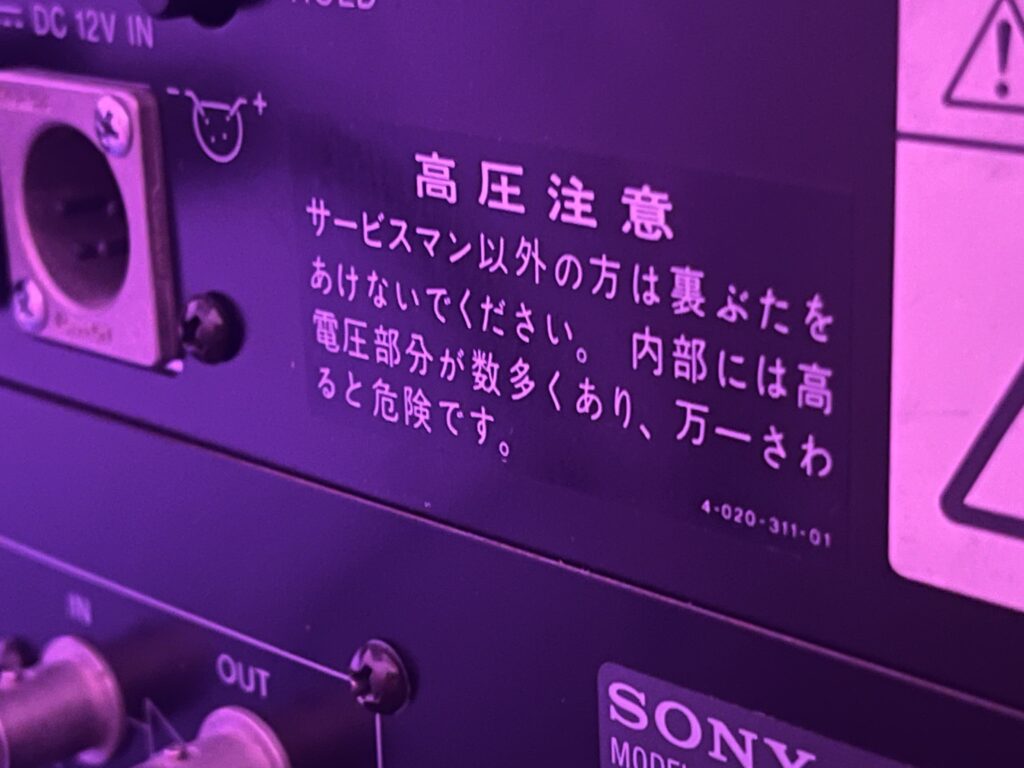
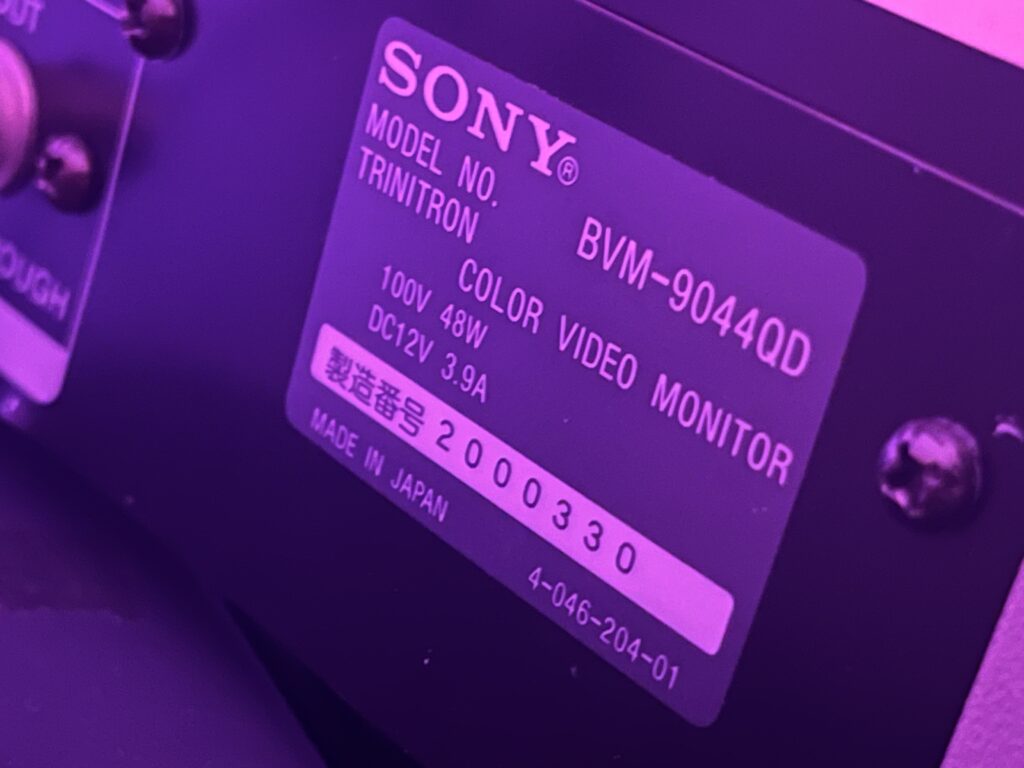
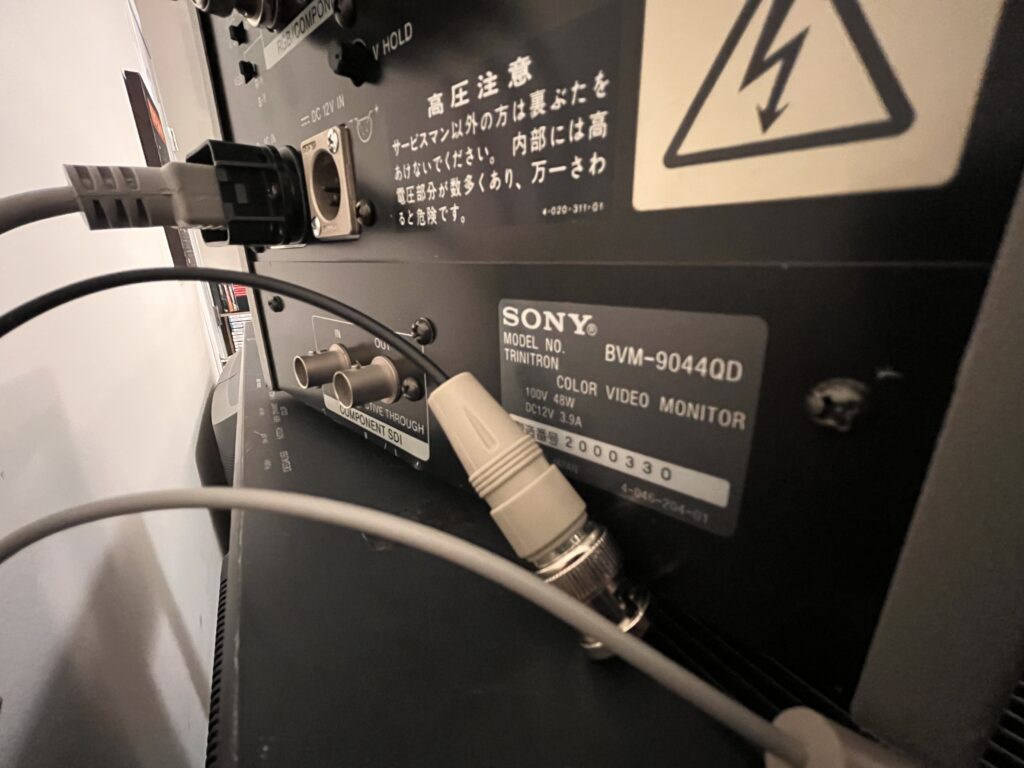
Then I flipped it around and immediately realized why this monitor felt different. It's another Japanese import BUT THIS TIME she is LOCKED at 100 volts.

Unlike my BVM-D14H5J, which has a universal power supply, this little guy is a true Japanese 100V monitor. Thankfully it only pulls 48 watts, so a proper step-down transformer isn't a huge deal for testing. It can also run on 12V DC... so thats neat.

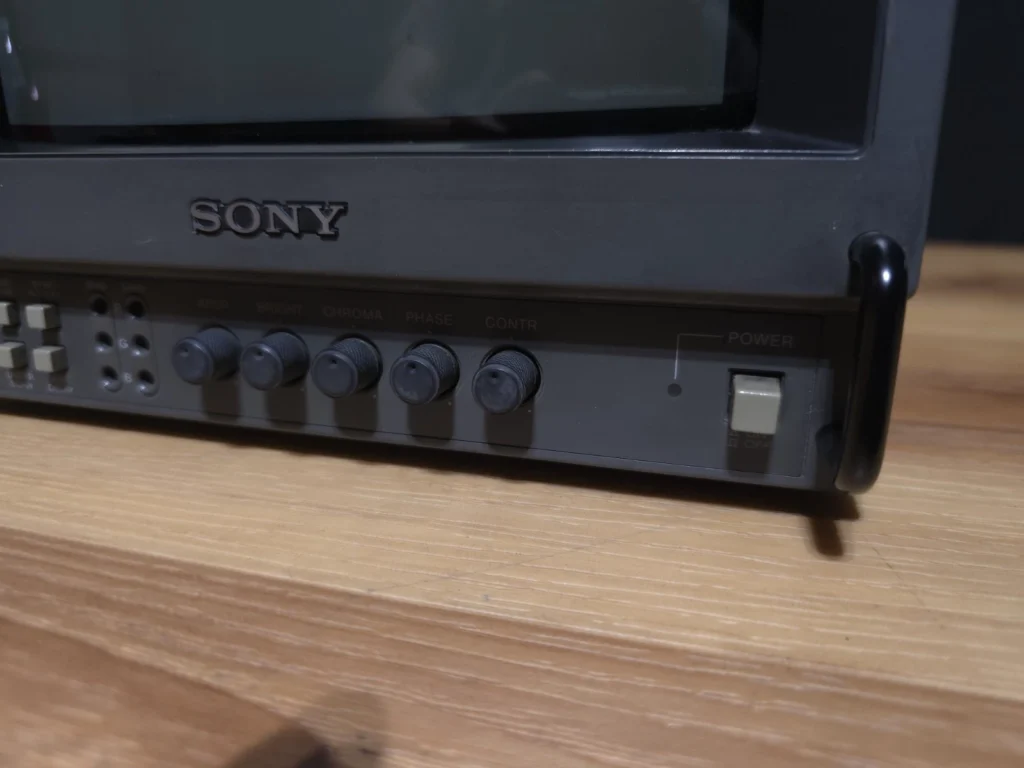
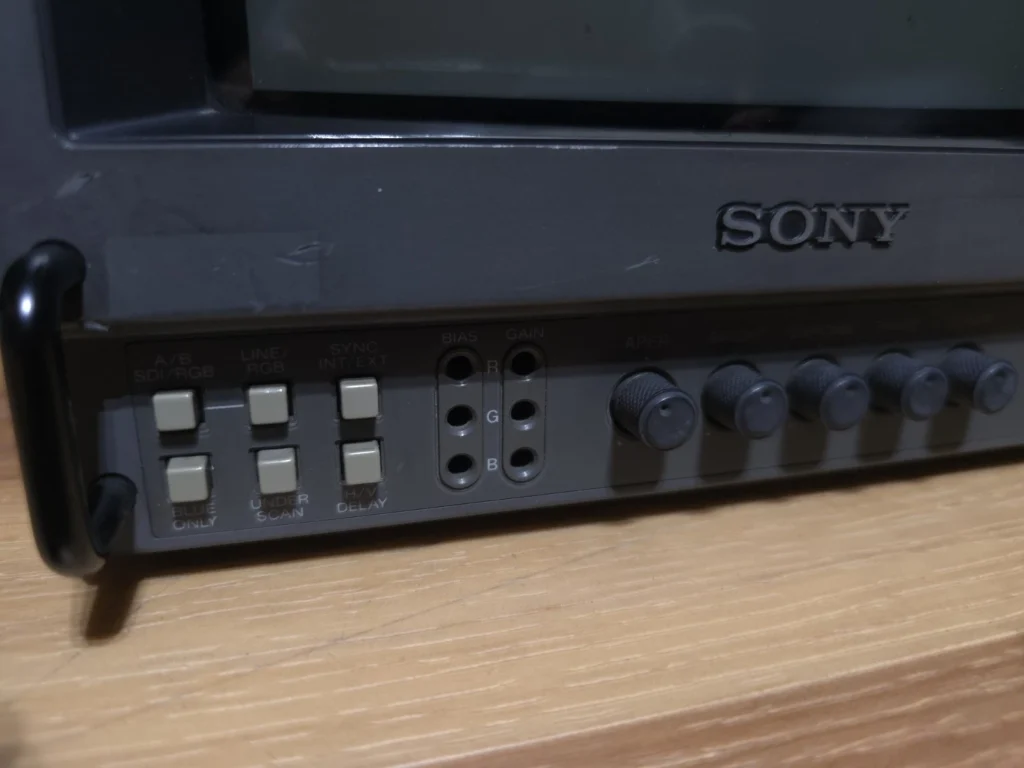
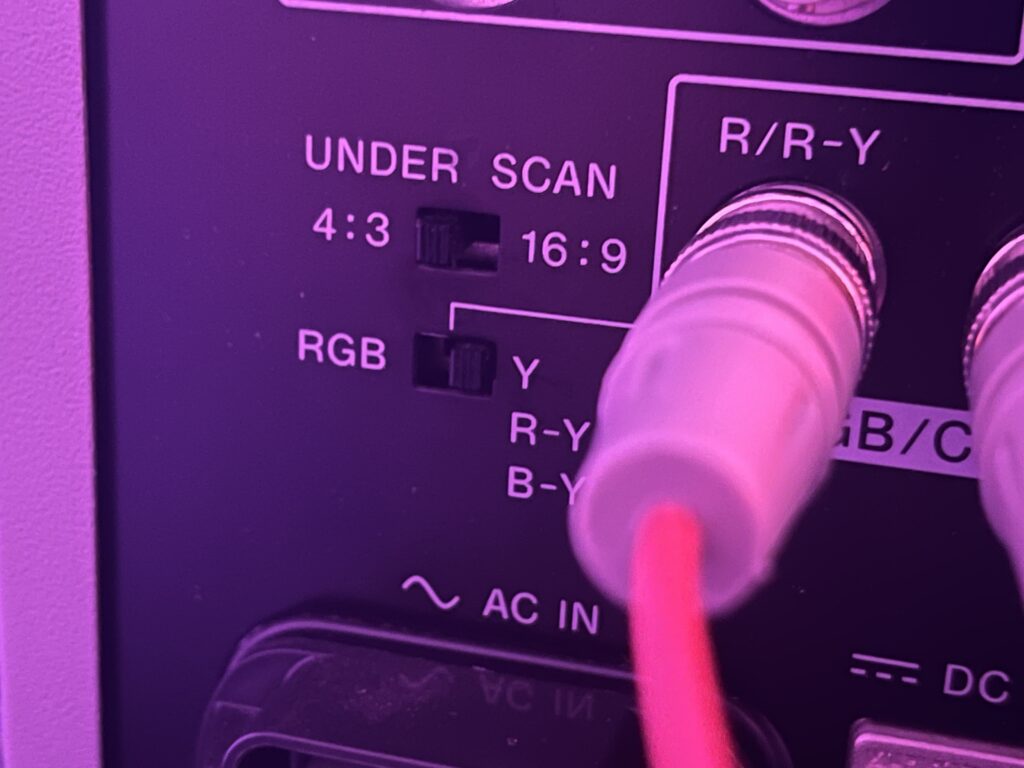
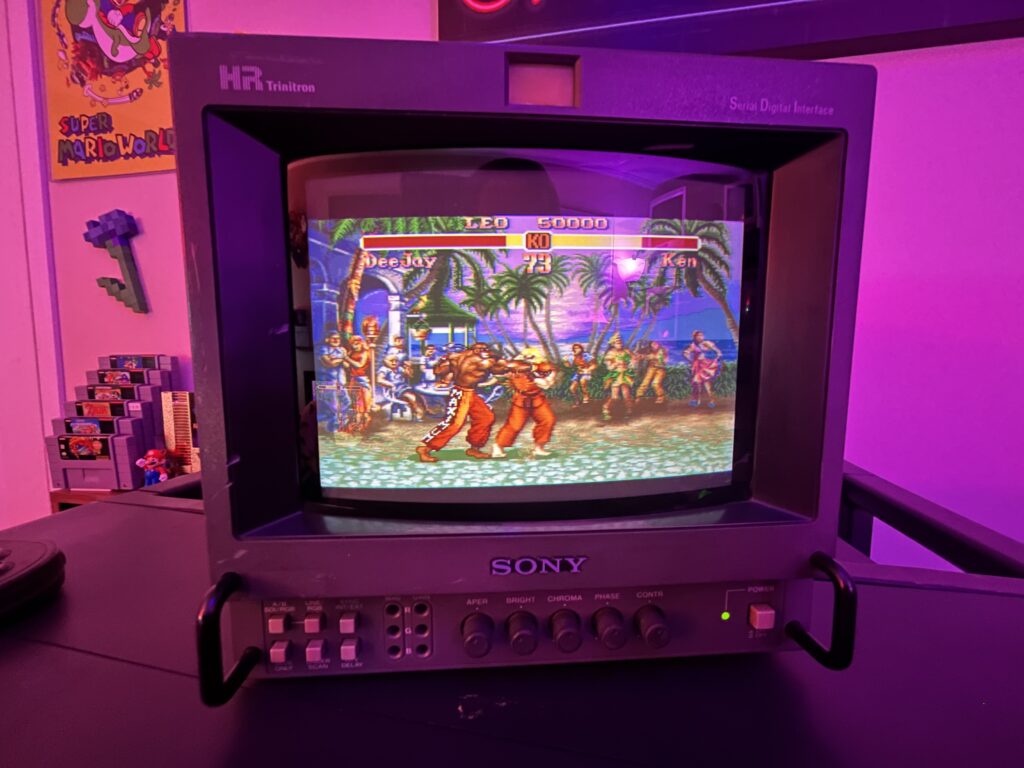
One thing I really like is how simple these older BVMs are. Physical switches for RGB or component. Physical underscan controls. No digging through menus just to change an input. It feels like equipment that was designed to be used by engineers instead of consumers.

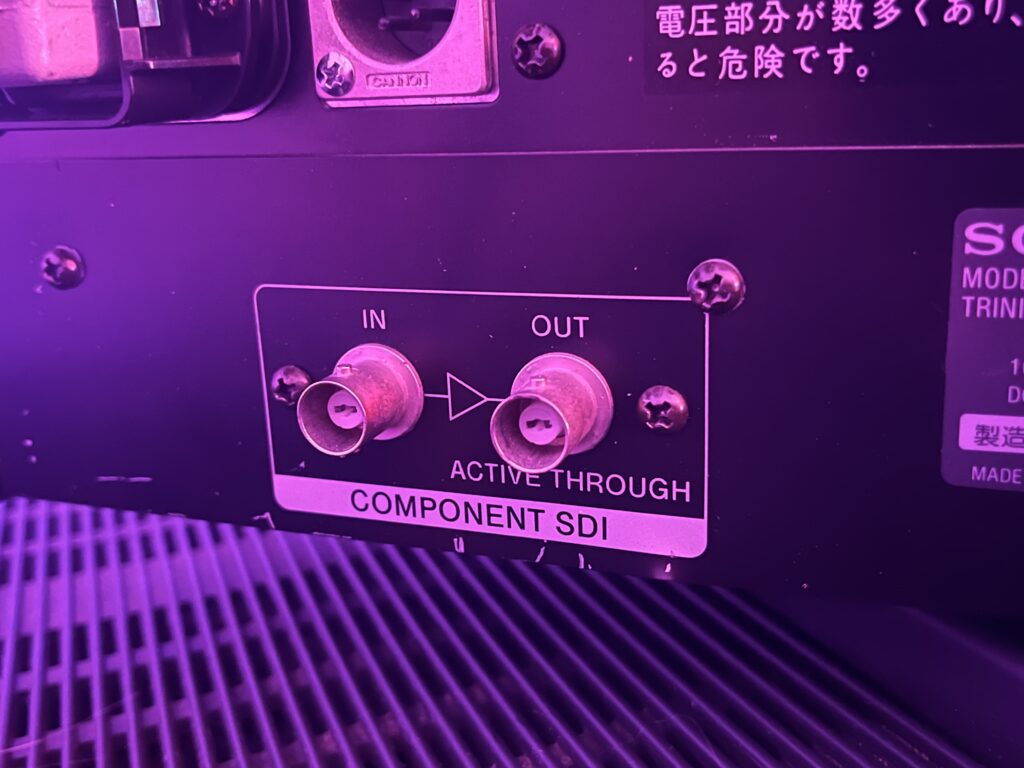
Mine also came with the Component SDI board installed, which was a nice bonus. Between RGB, component, composite, S-Video and SDI, this little thing can handle just about anything I'd realistically want to throw at a standard definition monitor.

So was it worth it?

Honestly... yeah.

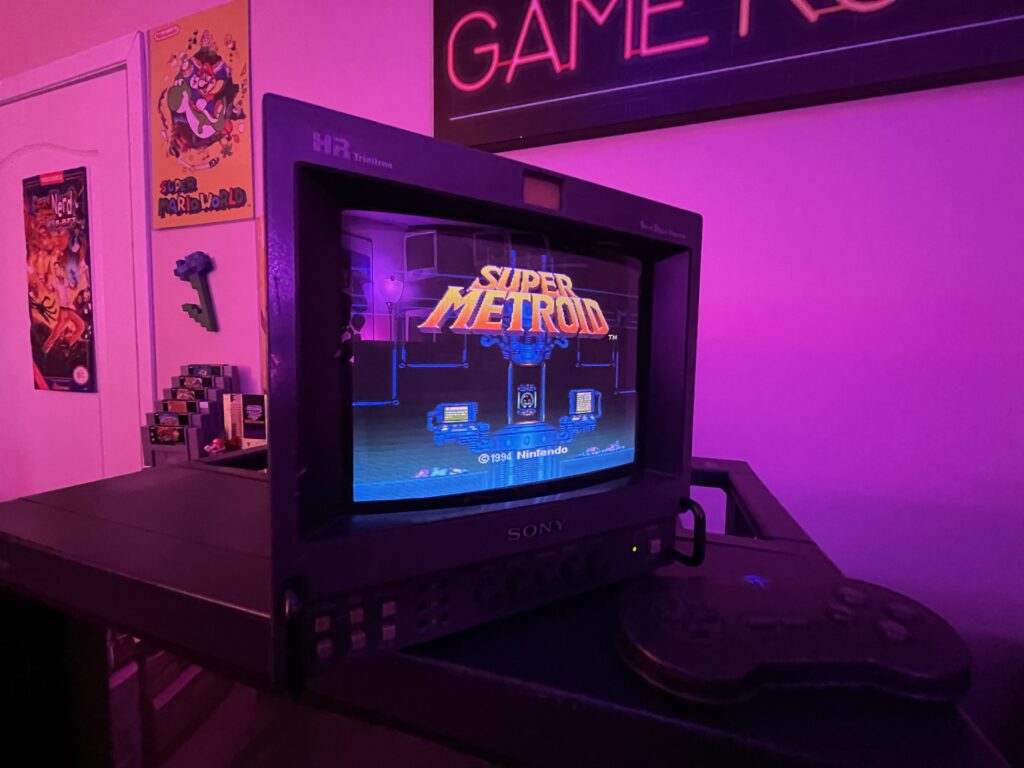
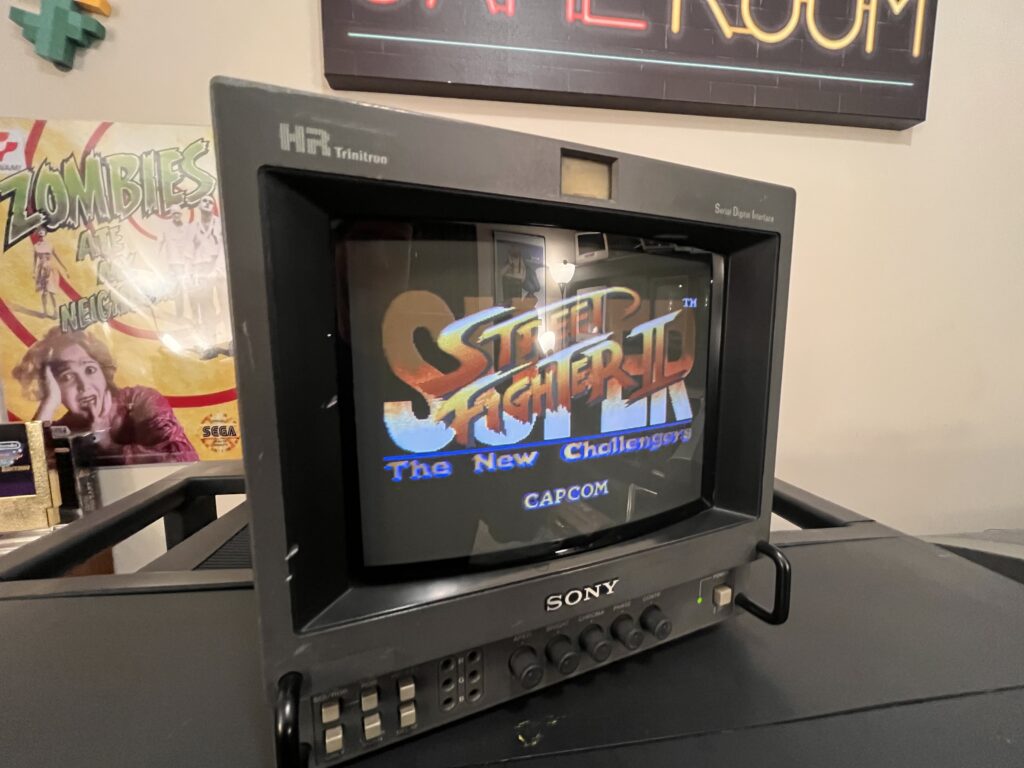
The convergence needs work. The burn is worse than I expected. The 100V power requirement is one more thing to deal with. But it's a genuine Japanese broadcast monitor that survived shipping, still has a bright tube, looks fantastic on the shelf and adds another unique piece to the collection.

I definitely didn't need her...but I'm also not about to pretend I regret buying it. If you've made it this far into collecting broadcast monitors, logic stopped being part of the decision a long time ago.
CREDIT FOR THIS SPECIFICATIONS TABLE GOES DIRECTLY TO:
Benjamin McKee
I can not find any manuals. If you find one, please either send it to me OR upload it to the internet archive and... send me the link! thank you in advance!
Many technical specifications listed on this site are sourced from the CRT Database. Their work documenting CRT displays is extensive, accurate, and incredibly valuable to anyone interested in this hardware.
Whenever specifications are used from their database, proper credit is given.
If you want deeper technical details on any CRT mentioned here, you should absolutely reference their site.