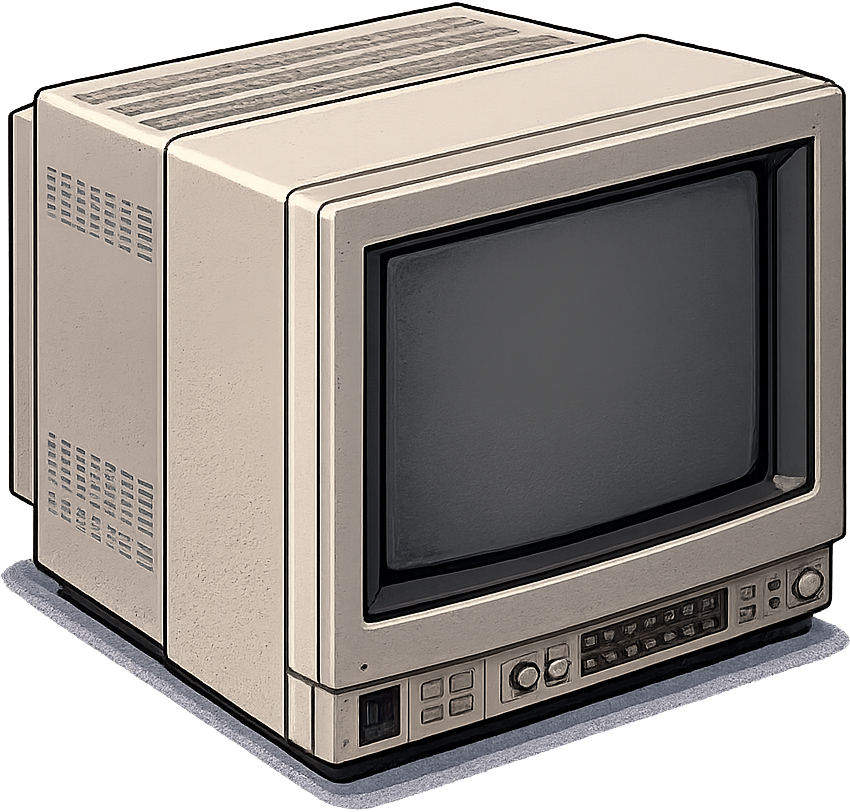
Early 2000s.

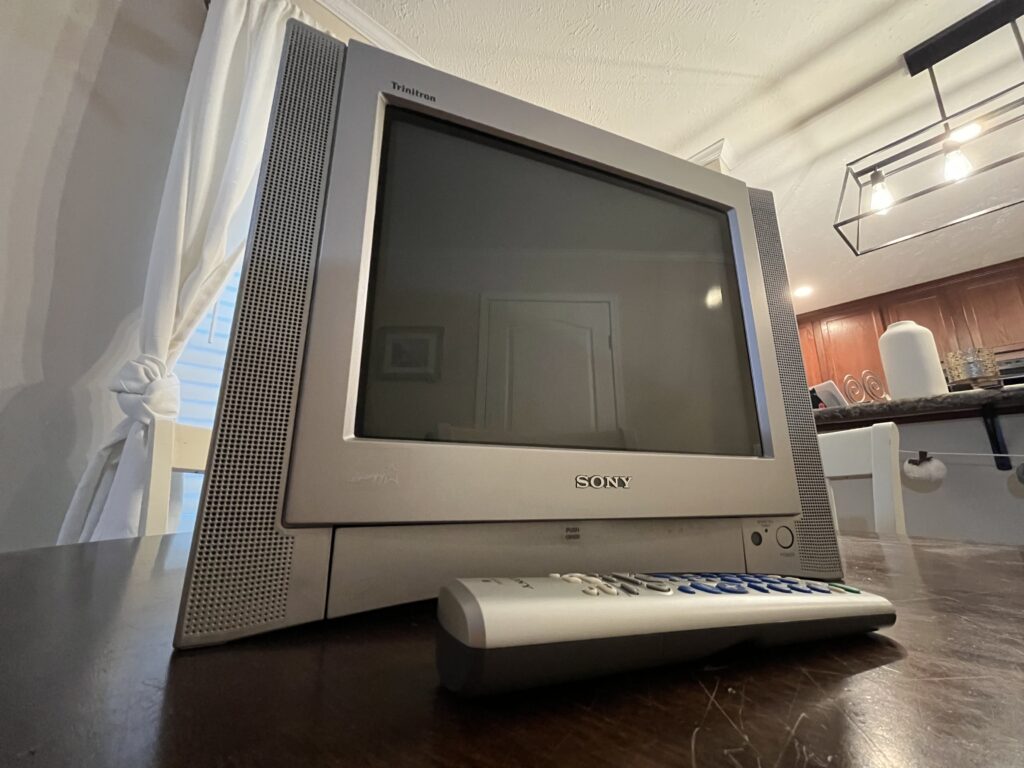
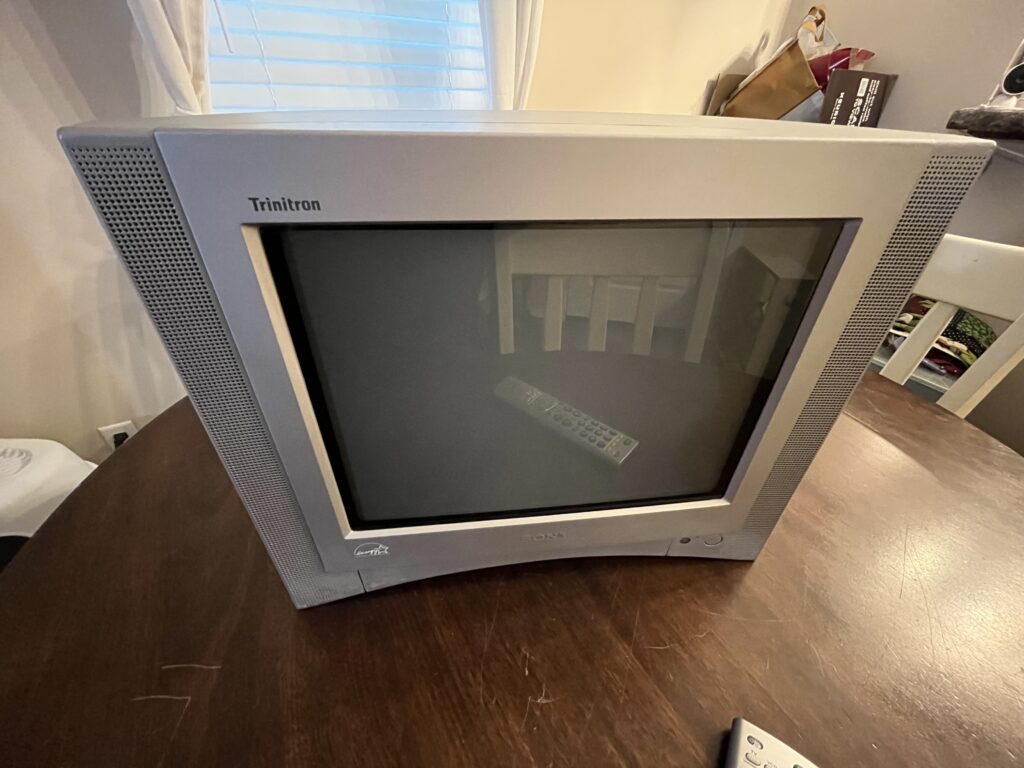
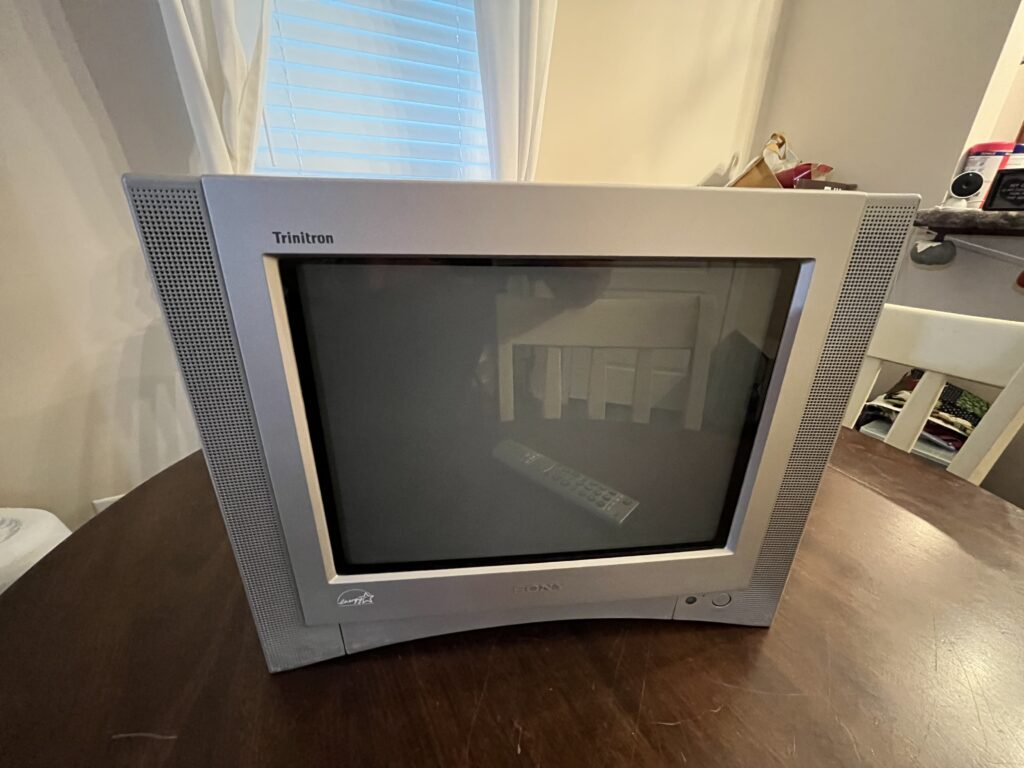
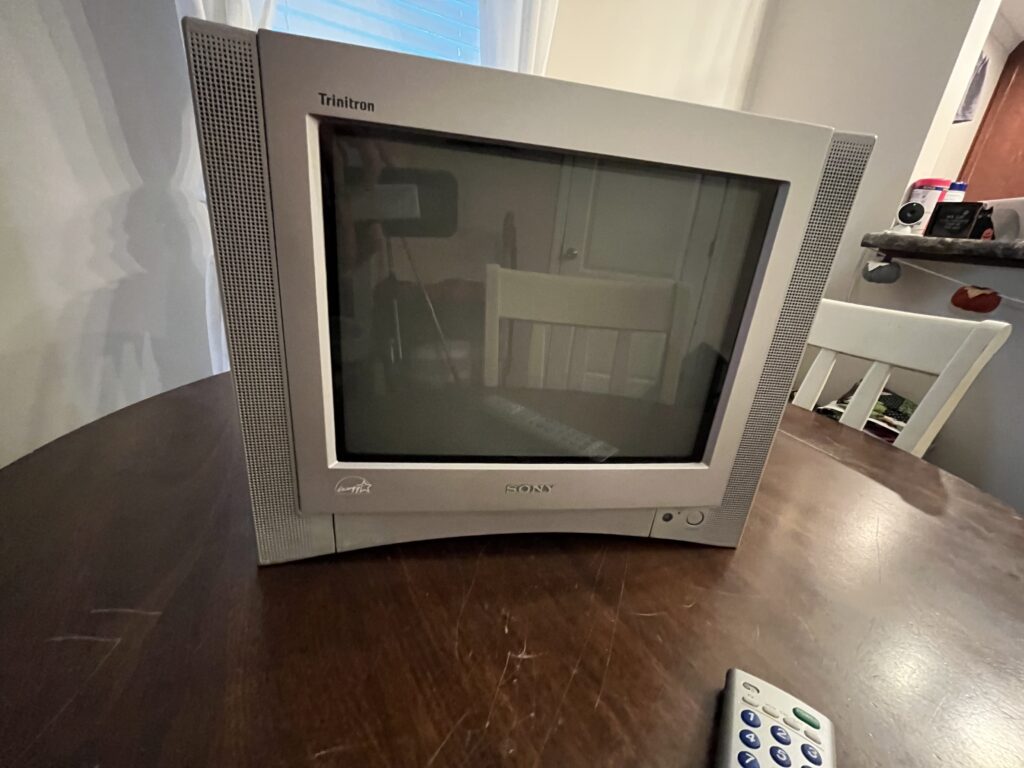
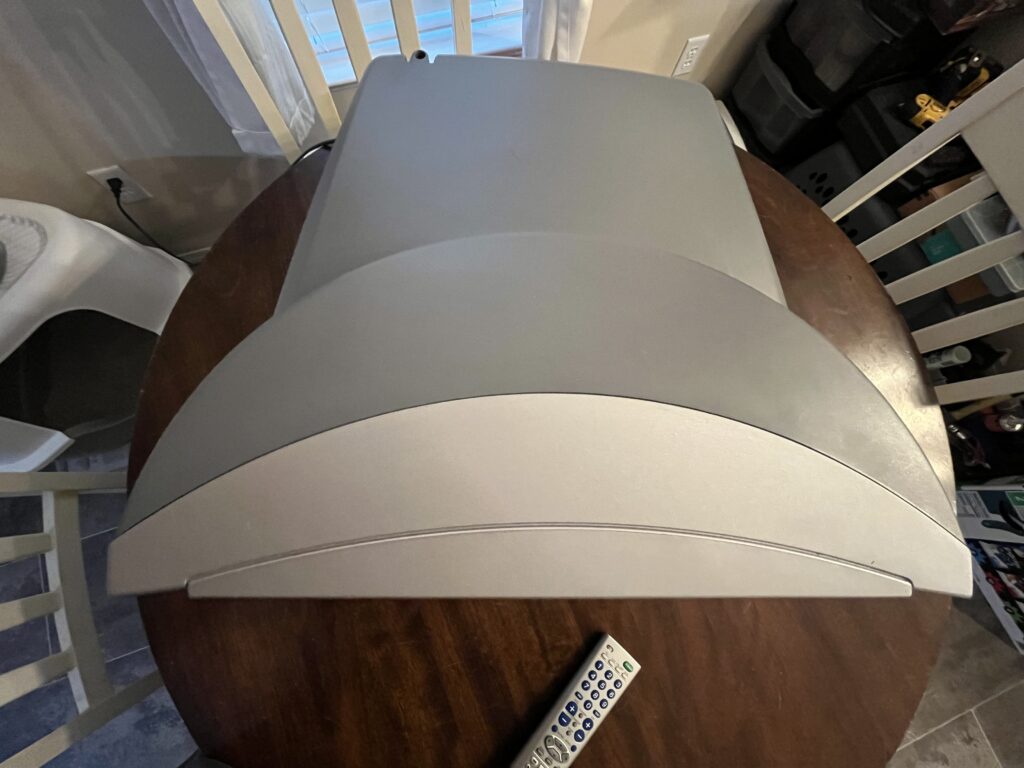
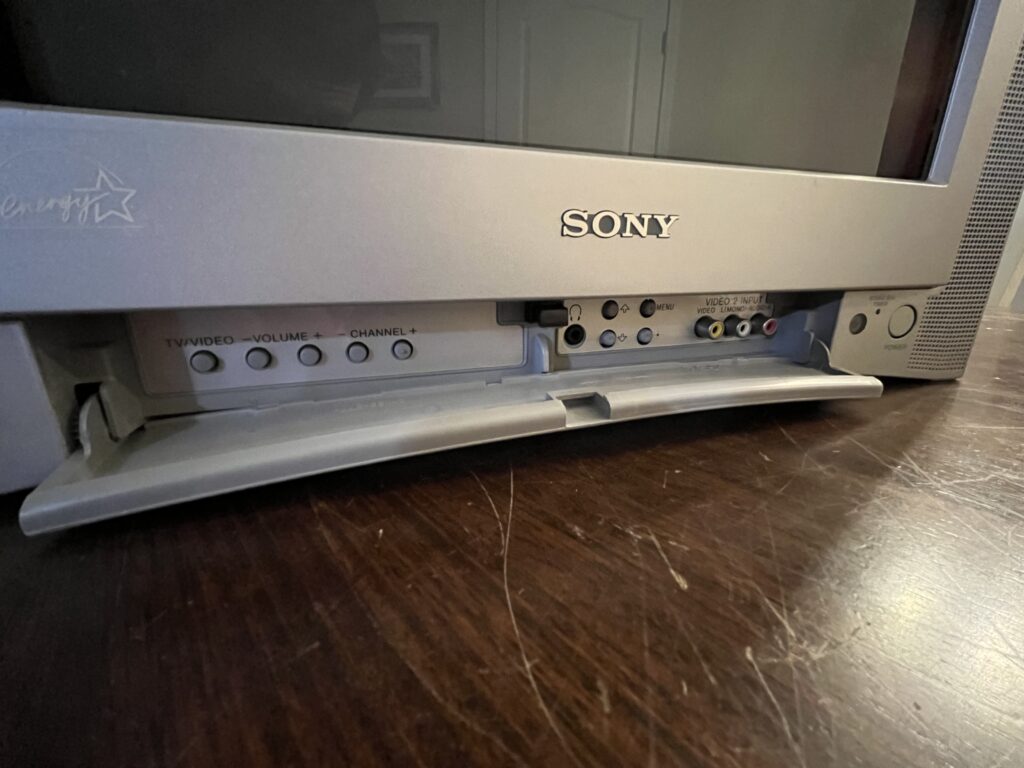
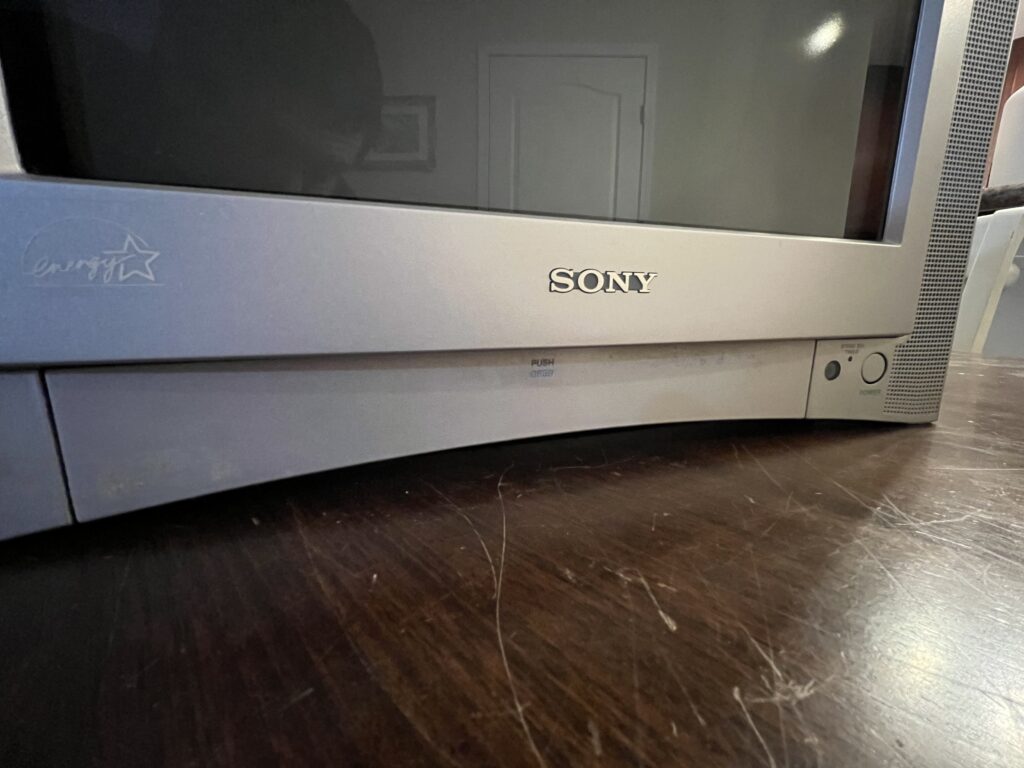
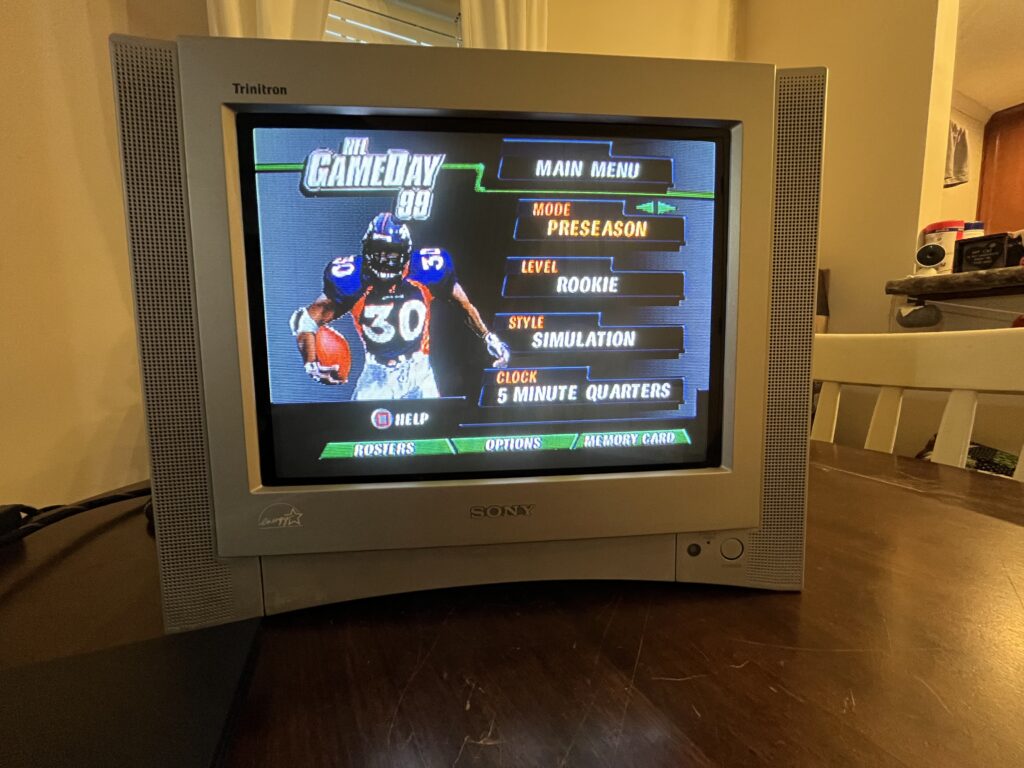
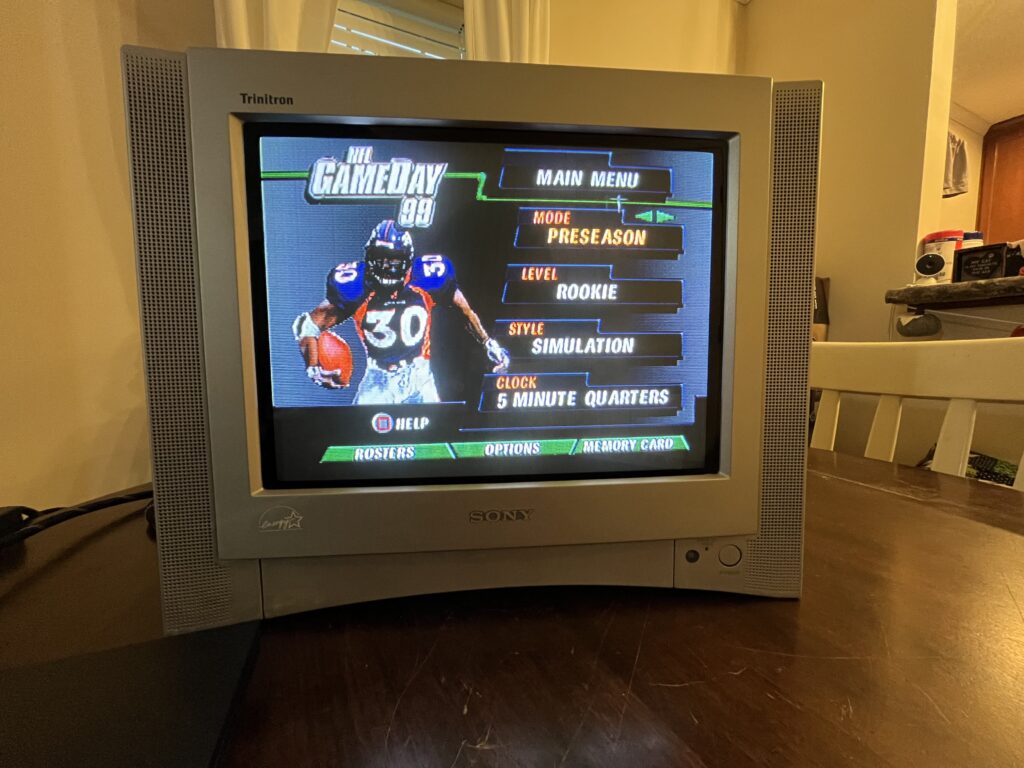
Sony had the entire industry convinced that flat automatically meant premium, and people absolutely ate it up. Silver cabinets, Velocity Modulation, 3D Comb Filter, all of it. These TVs were supposed to feel premium and they have a cult following today.

BUT…Honestly? I hate this thing.

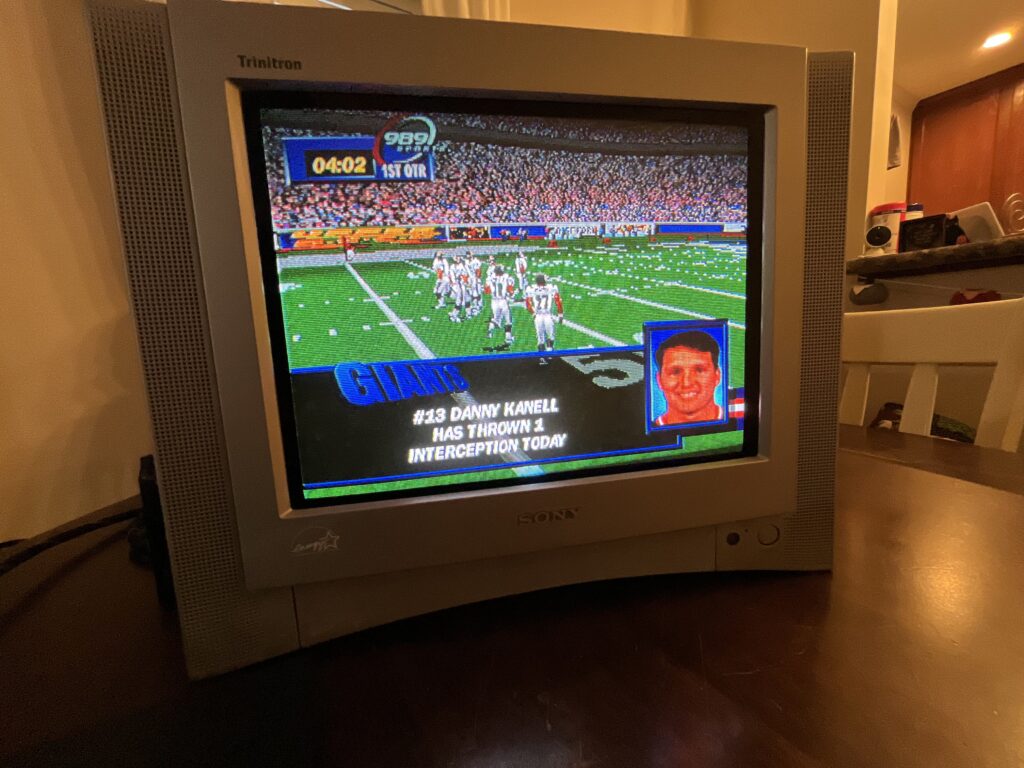
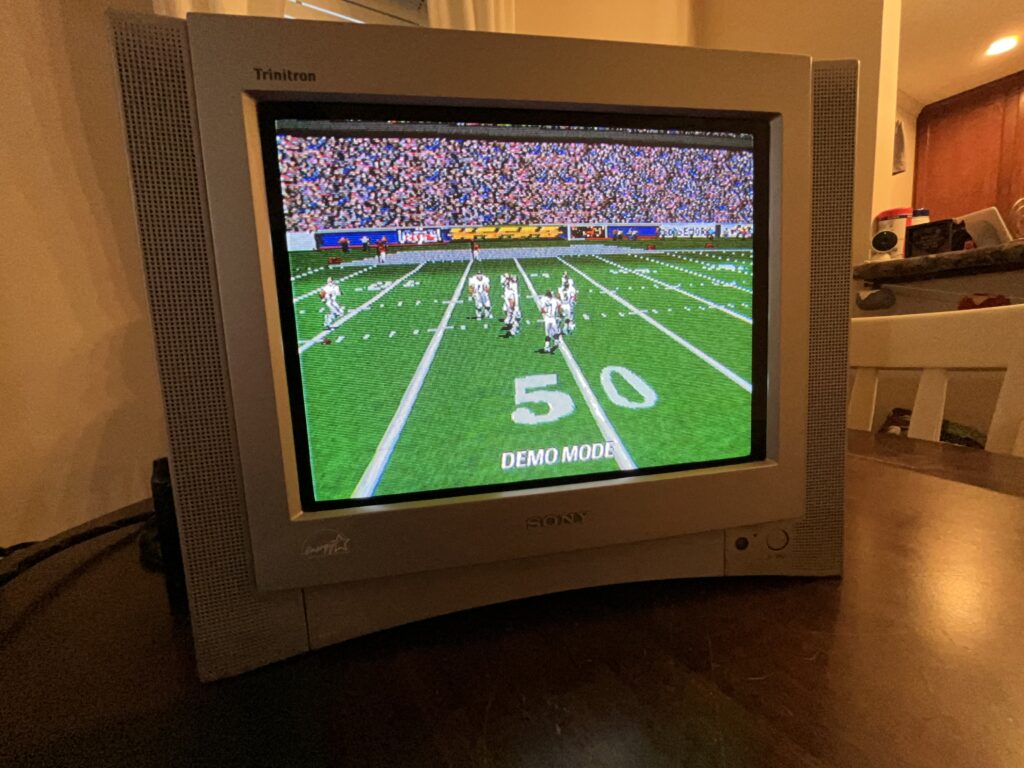
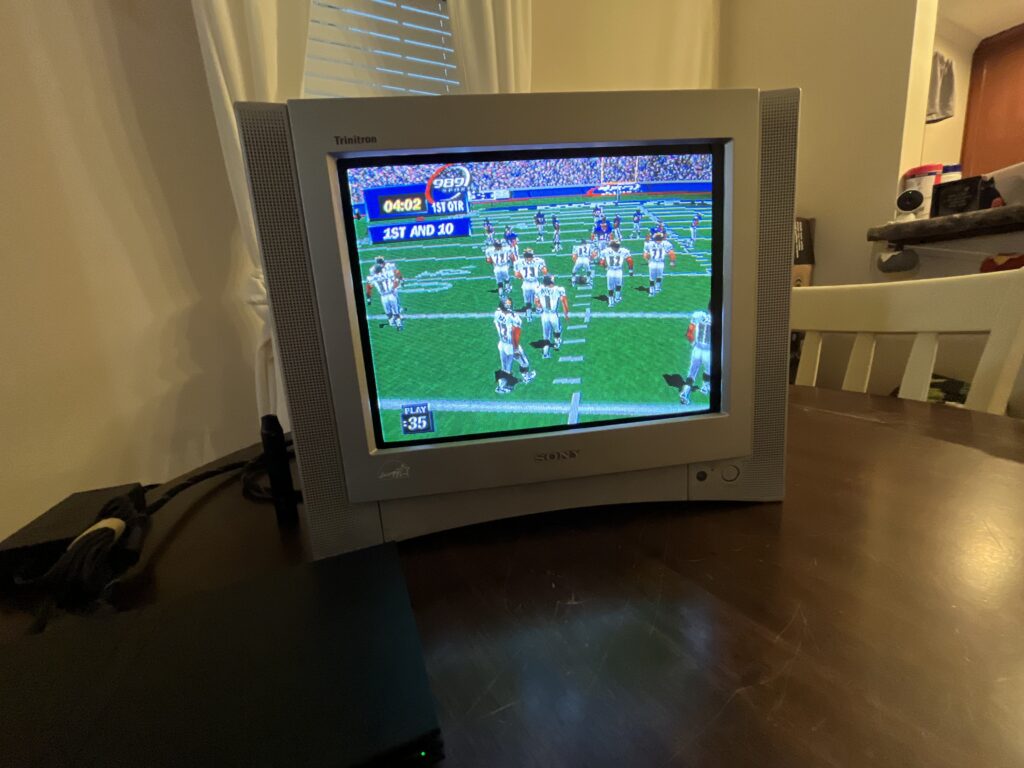
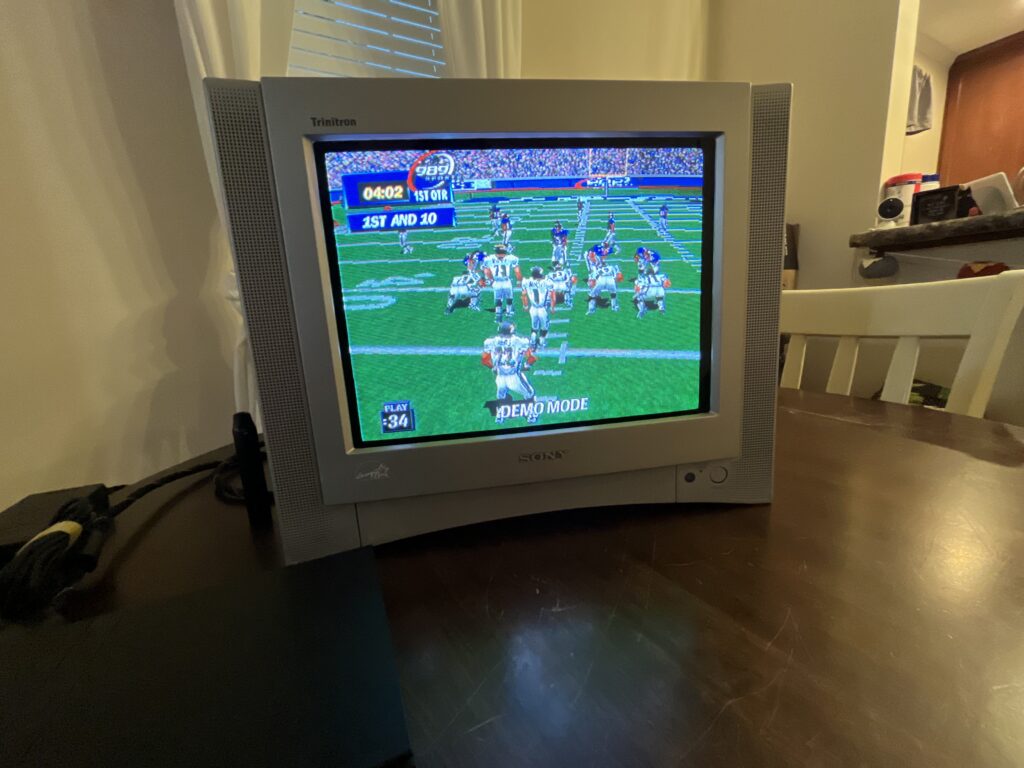
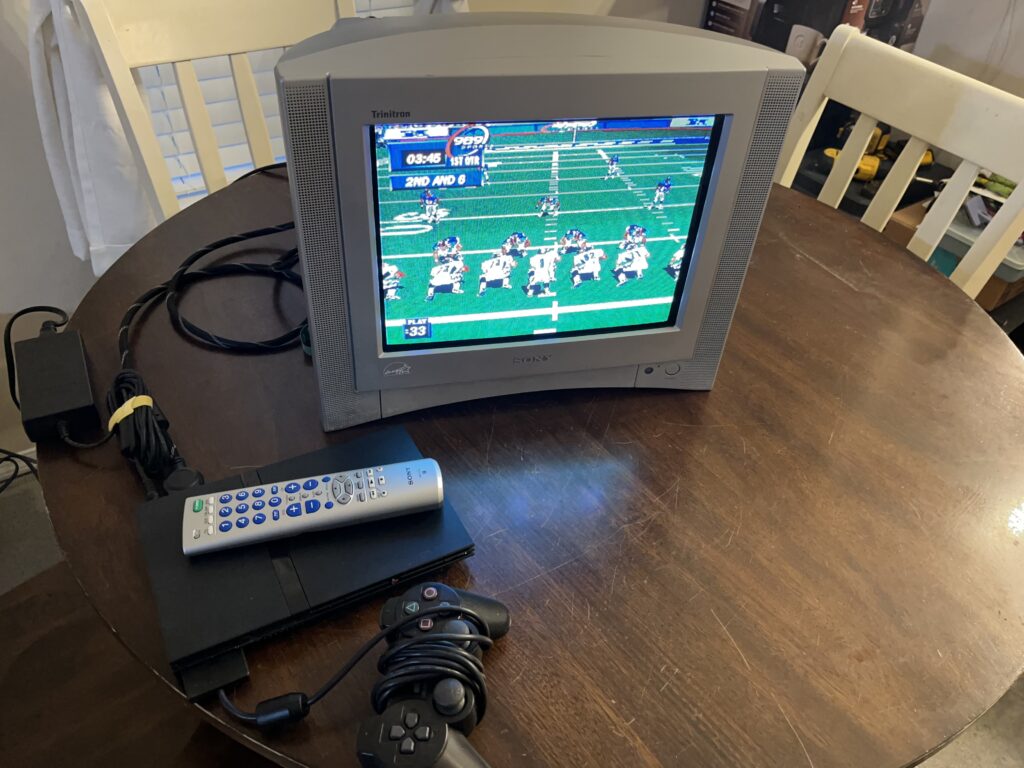
Not in a funny ironic way either. I mean genuinely. Deep in my soul. This TV and I never got along. This was one of the earlier Trinitrons I owned when I was first diving headfirst into CRT collecting. Back then I still had that “Sony automatically equals perfection” mindset that everybody gets when entering this hobby. I thought I had my GRAIL after driving home from out of state with this mint shined up turd in the passenger seat. I really got a television that constantly annoyed me.

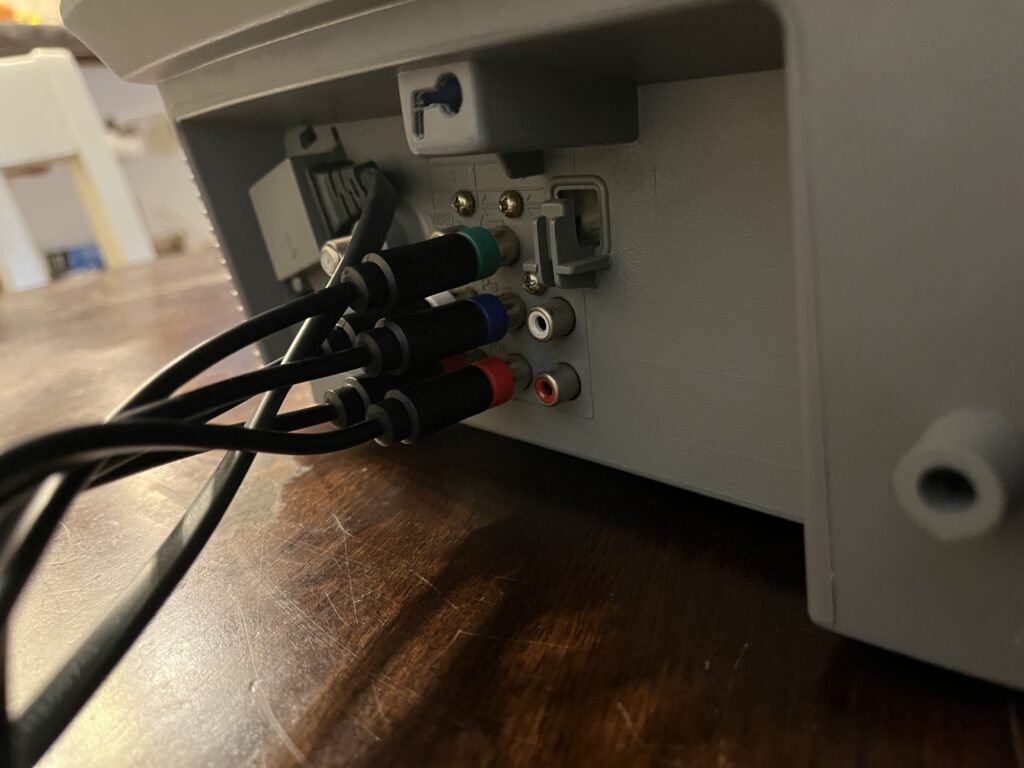
Now to be fair, the BA-6 chassis itself is actually fairly advanced for the era. Sony integrated almost everything into a massive “One Chip” design and reduced board count dramatically compared to older chassis.  Electrically, these are smarter than a lot of cheaper late-era sets. They have solid feature support, component input, decent comb filtering, service menu controls, and surprisingly good audio on the FV models. On paper this thing should have been incredible.

Owning it just didn't line up! The geometry was never truly satisfying. That is the curse of these flat Trinitrons. The reality is that many of them fight you constantly. Bowing, tilt weirdness, corner distortion, subtle waviness, uneven linearity. You can spend hours inside the service menu trying to “fix” her only to create a different problem somewhere else on the screen. It becomes this endless cycle of compromise and the worst part is that the image itself almost feels too processed.

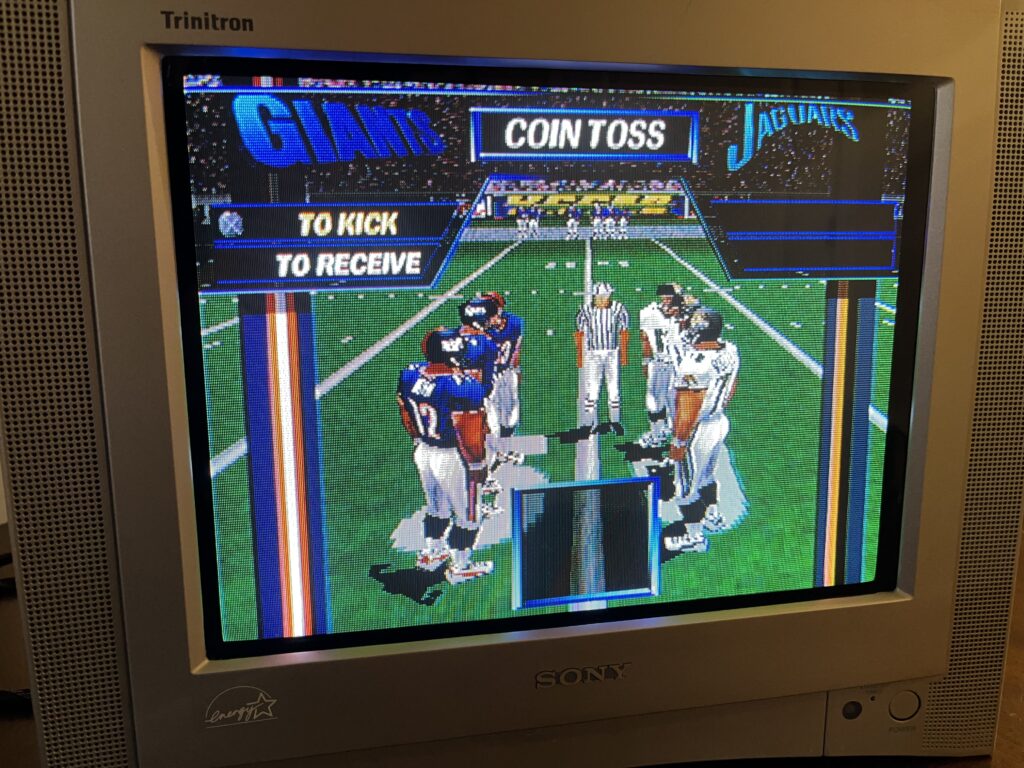
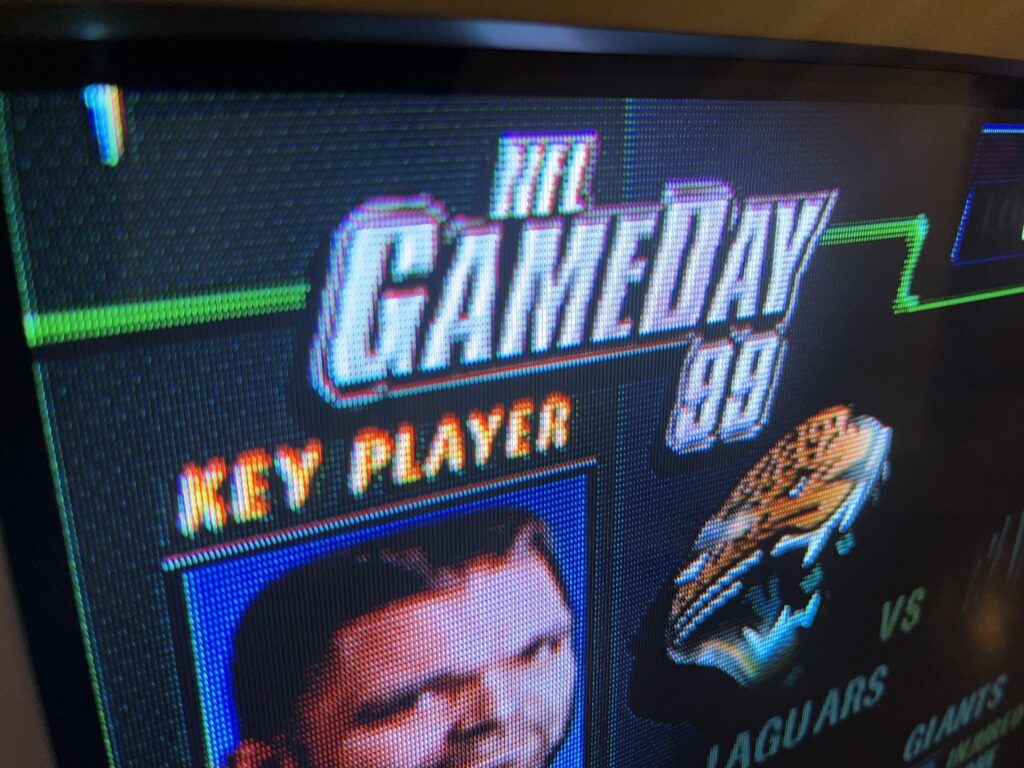
Velocity Modulation sharpens edges artificially and gives everything this hyper-digital look that I personally cannot stand for retro gaming. The image screams at you instead of relaxing into the phosphors naturally. Yes, you can disable VM on many models, but even after tuning and tweaking I never emotionally connected with this TV the way I have with older curved consumer sets or even simpler shadow mask tubes. That is the thing nobody tells you about these high-end late Sony sets is sometimes they impress you more than they actually pring you JOY. This set did NOT bring me joy.

Technically, on paper and in person she was a great little TV..

Brightness was strong. The colors were rich. But I never enjoyed using her. I just enjoyed having it in the COLLECTION. Even today after owning PVMs, VGA CRTs, curved Trinitrons, cheap shadow mask “sleepers”, and all kinds of weird forgotten sets, I still look back at this TV with annoyance. I understand why people love them but eventually I stopped pretending.

That was the moment I realized something important in this hobby: The “best” CRT on paper is not always the CRT you actually enjoy living with. Sometimes the mythical endgame TV is just a really expensive headache with a silver cabinet. 7.3
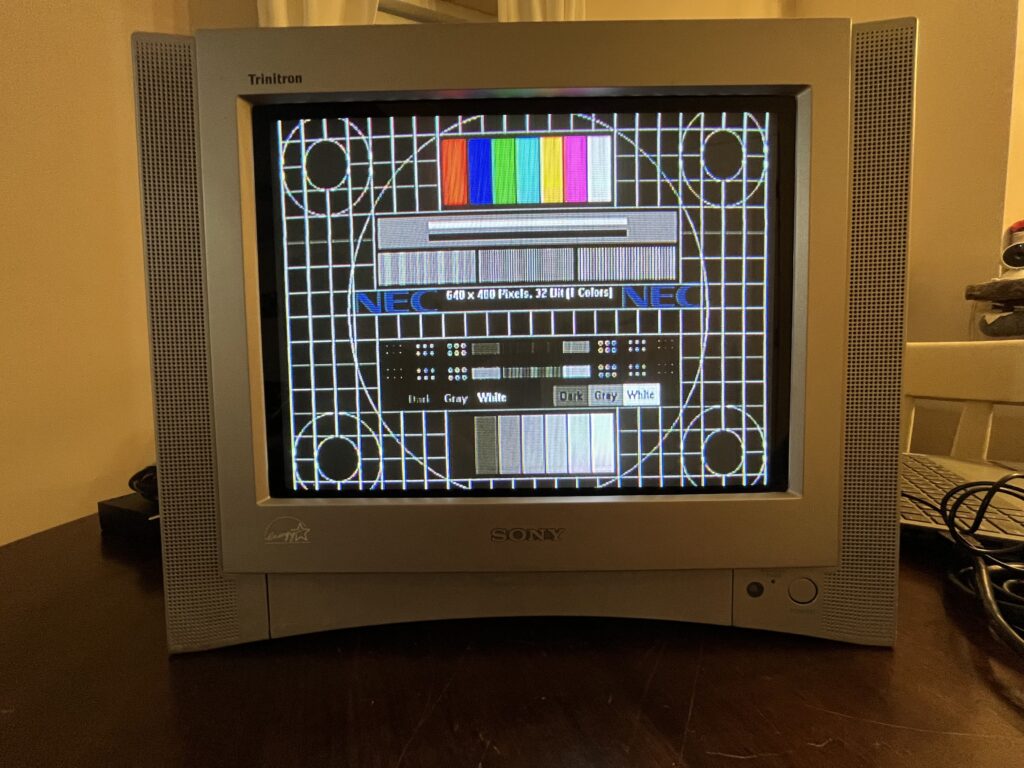
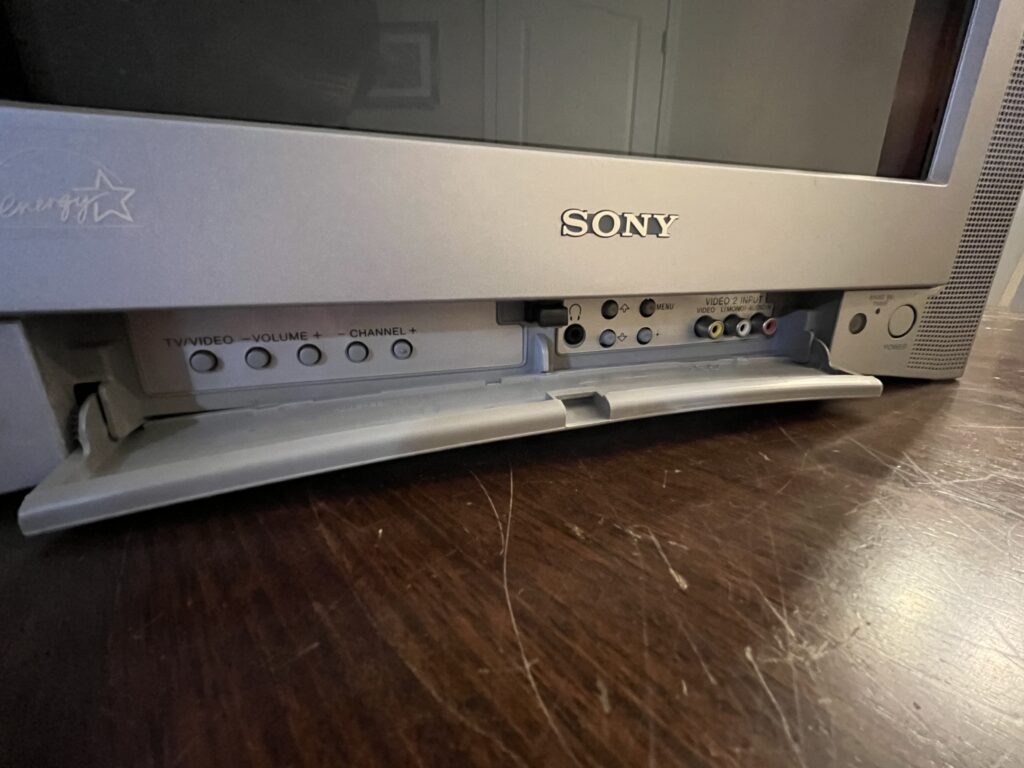
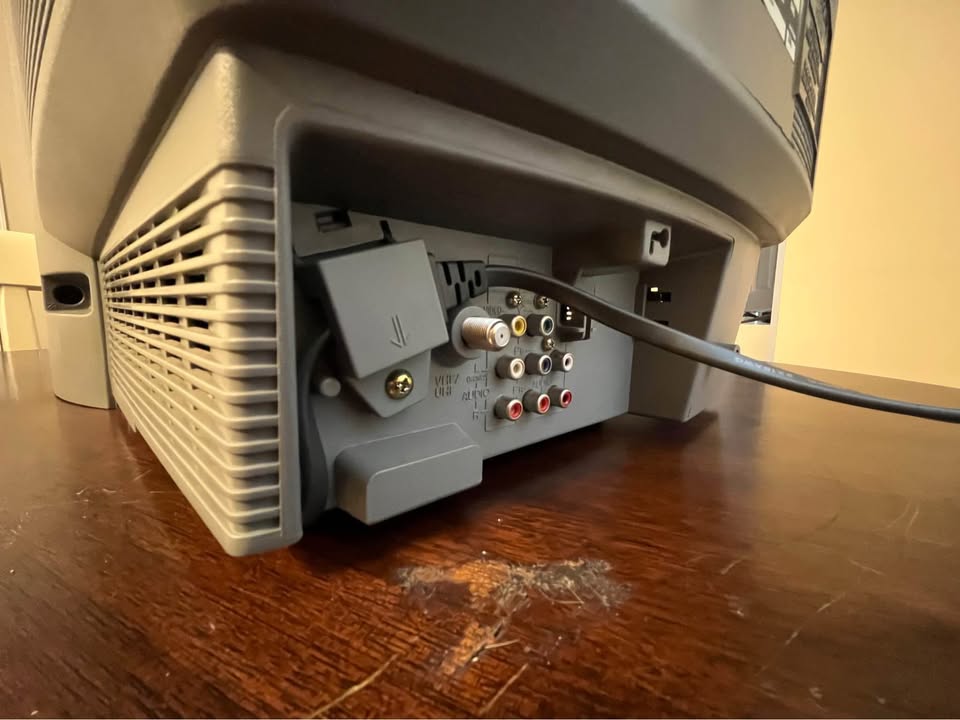
| Brand: | Sony |
| Manufacturer: | Sony |
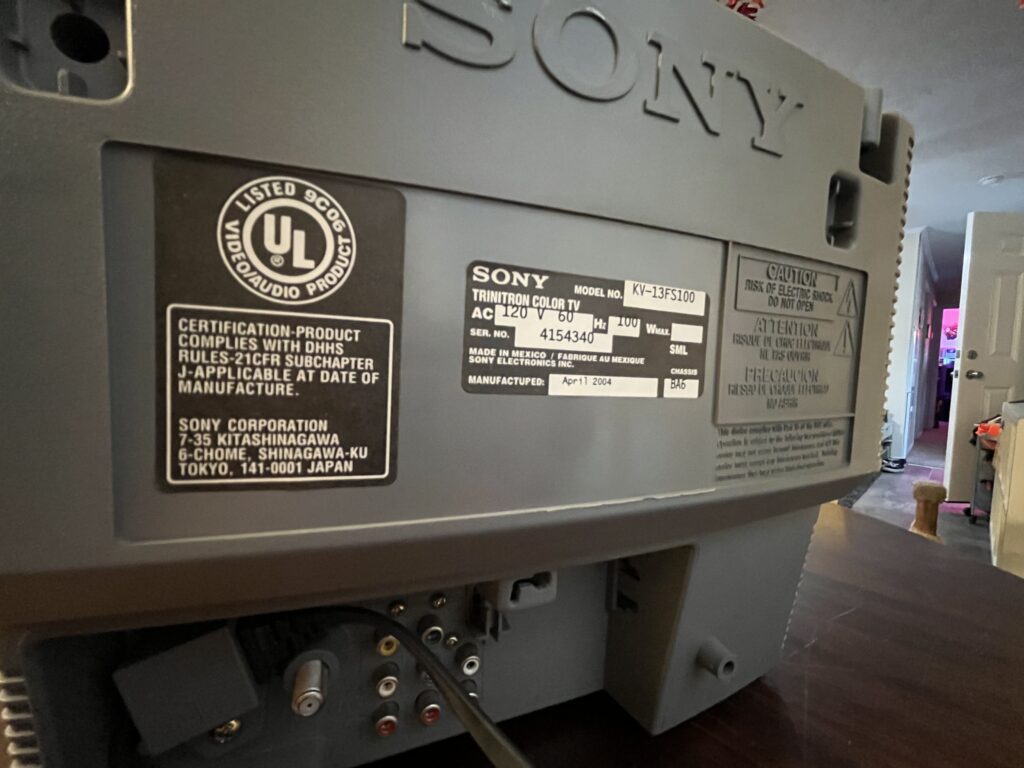
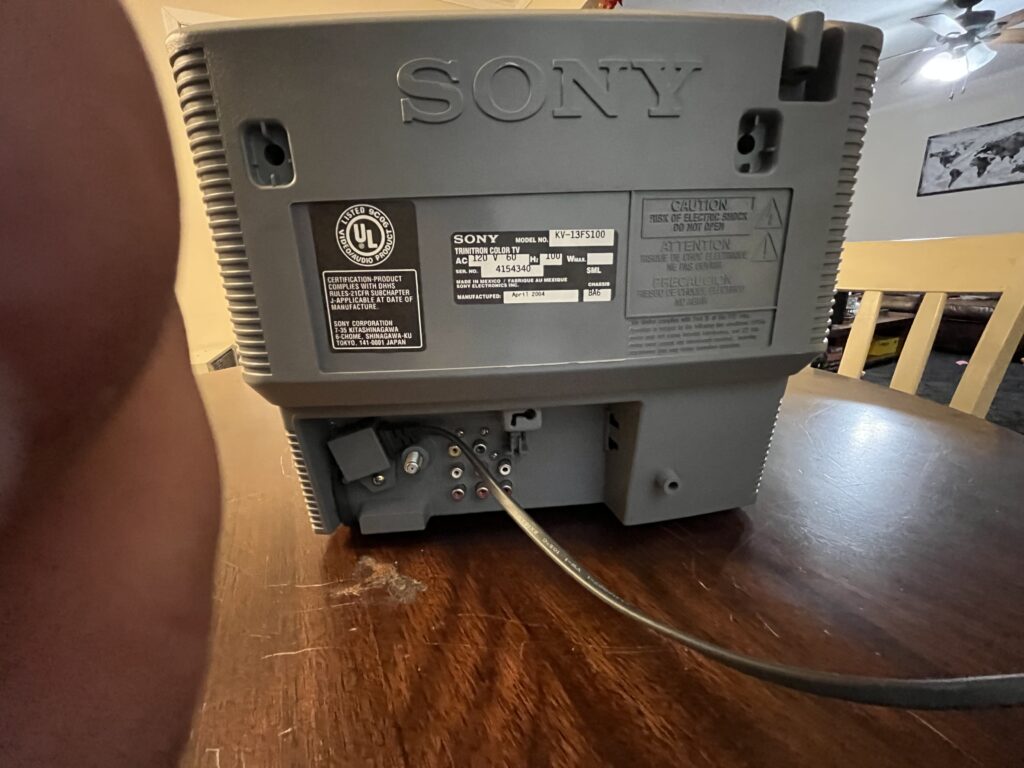
| Model: | Sony KV-13FS100 |
| Series: | Wega |
| Viewable Size: | 13″ |
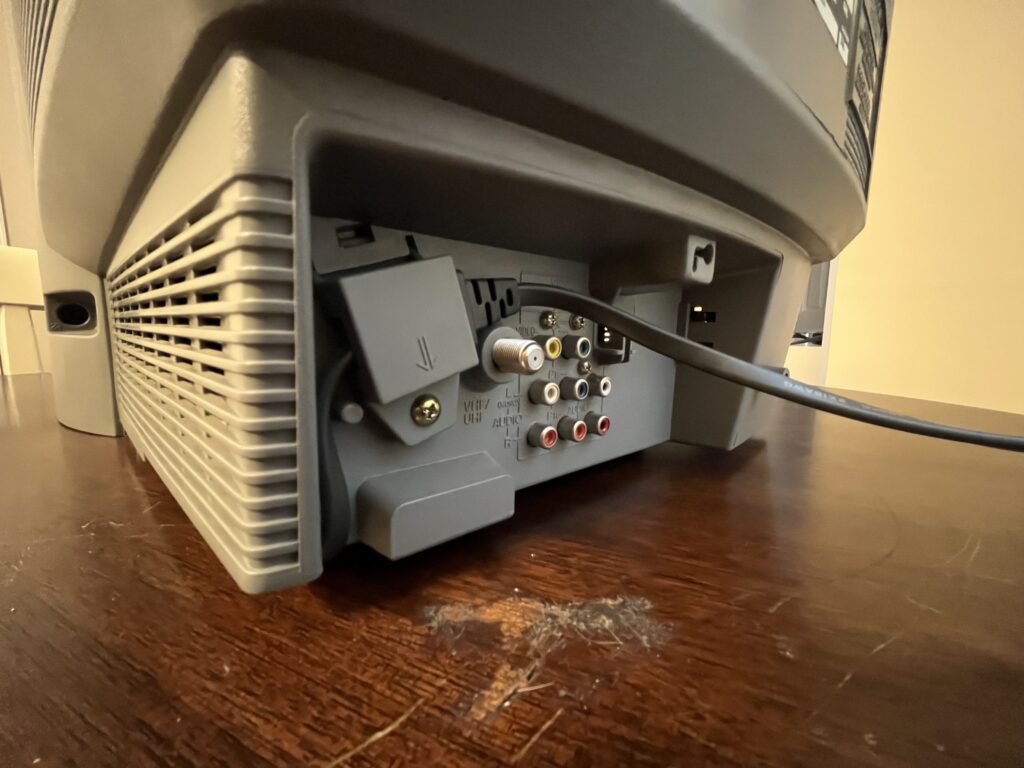
| Input Signals: | Composite, RF, Component YPbPr |
| Native Resolutions: | 240p, 480i |
| Horizontal Scan Range: | 15 kHz |
| Vertical Scan Range: | 60 Hz |
| Aspect Ratio: | 4:3 |
| Mask: | Aperture Grille |
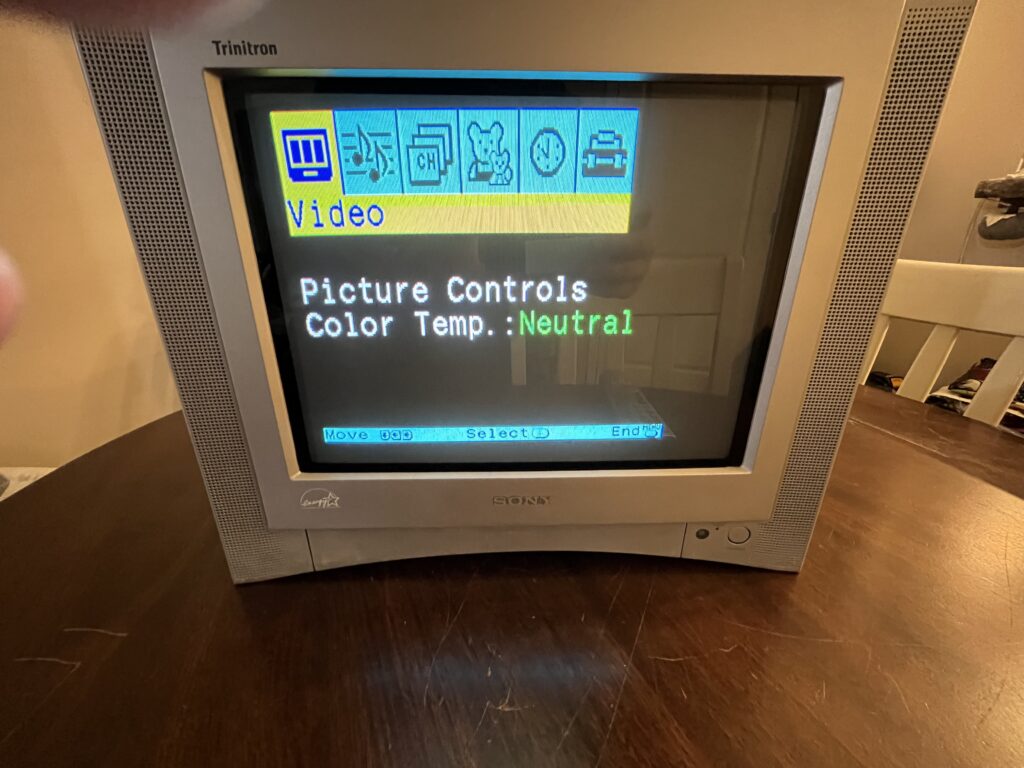
| Adjustments: | OSD Customer Controls, OSD Service Menu |
| Removable Glare Film: | No |
| Sound: | Stereo |
| Chassis: | BA-6 |
| Weight: | 26.4 lbs (12 kg) |
| Dimensions (W/H/D): | 407 x 340 x 411 mm (16 x 13.4 x 16.2″) |
| Application: | Consumer TV |
| Cabinet Material: | Plastic |
| Launched: | 2002 |
| Country of Manufacture: | Mexico |
| Market: | North America |
| Power Standard: | 120v |
| Mounting: | Table/Countertop |
| Degaussing: | Auto-on power, Manual |
| CREDIT FOR THIS SPECIFICATIONS TABLE GOES DIRECTLY TO: | Matt Ross @ CRT Database |
User Manual
Service Manual
BA-6 Chassis Repair Manual
Common BA-6 Chassis Problems & Repairs
(KV-13FS100 / KV-20FS100 / KV-24FS100 / FV300 series)

The BA-6 chassis is honestly one of Sony’s better late-era designs electrically, but these things are old now and they absolutely have “their issues.” The good news? Most failures are repeat offenders and usually pretty fixable once you know where to look.


FOUR BLINKS — THE CLASSIC “SONY HATES YOU” ERROR

TV powers on for a second, clicks off, then flashes the standby light 4 times over and over.

Usually Means: Either the vertical deflection circuit died OR the power supply lost one of its voltages. This is BY FAR the most common BA-6 headache.

Common Repair: Check vertical IC545 first. These can fail and kill vertical sweep completely. Also inspect the +/-13V supply coming from the flyback. Cold solder joints around IC545 are EXTREMELY common on heavily used sets.

Sony literally says:

* Missing +/-13V
* Bad IC545
* Missing horizontal drive
  can ALL trigger 4 blinks.


TWO BLINKS — SHORTED HORIZONTAL OUTPUT TRANSISTOR

Dead set. Sometimes clicks once. Sometimes immediately shuts down.

Usually Means: Shorted HOT transistor (Q505 or Q506 depending on model).

Common Repair: Test the HOT for shorts before anything else. If it’s shorted, also inspect:

* Flyback transformer
* B+ line
* Horizontal drive components
* Snubber caps nearby

These Sonys LOVE blowing the HOT if the flyback starts getting angry.


NO POWER AT ALL

Absolutely nothing. No click. No standby light. Totally dead.

Usually Means: Standby power supply failure.

Common Repair:

Check:

* Fuse F601
* IC608
* D608 rectifier
* C609 capacitor

Sony specifically calls these out in troubleshooting. If standby 5V dies, the TV basically becomes a brick.

BLACK AND WHITE PICTURE ONLY

TV works but composite video suddenly has no color.

Usually Means: Bad 6MHz crystal X301.

Common Repair: Replace X301. This one’s actually kinda funny because the TV otherwise works perfectly fine. You’ll think your console exploded or your cables are bad and meanwhile it’s just this stupid crystal.

BOWED GEOMETRY / PINCUSHION WEIRDNESS

Sides curve inward. Geometry looks sucked in or warped.

Usually Means: Pincushion circuit problems or cracked solder around the horizontal section.

Common Repair:

Reflow solder around:

* Q521 / Q522
* Horizontal drive transformer
* Deflection area
* Large resistors nearby

These chassis run HOT. The solder absolutely cooks over time.

SCREEN TILTED SLIGHTLY

Picture leans left or right slightly.

Usually Means: Normal BA-6 behavior honestly. These use an electronic tilt correction setup on the CV board.

Common Repair: Usually service menu correction helps. Sometimes re-seating the yoke helps more than electronics do.

Tiny flat Trinitrons especially seem allergic to perfectly straight geometry. That’s just reality.


RANDOM SHUTDOWNS AFTER WARMUP

Works cold. Dies later.

Usually Means: Bad solder joints in the power supply or horizontal section.

Common Repair:

Full reflow on:

* Flyback pins
* HOT transistor
* Vertical IC
* Power supply transformers
* Large resistors

This fixes a shocking amount of BA-6 weirdness.

SOFT OR OVER-SHARP IMAGE

Picture looks weirdly artificial or harsh.

Usually Means: Velocity Modulation (VM) being enabled.

Common Repair: Turn VM off in the service menu if possible. VM is one of those “looks impressive at Best Buy” features that can make retro games look nasty and over-processed.

Overall

The BA-6 chassis is actually pretty respectable overall. Sony had trimmed down the board count hard by this point and shoved almost everything into the “One Chip” IC design. Doesn't change how I feel about these sets.

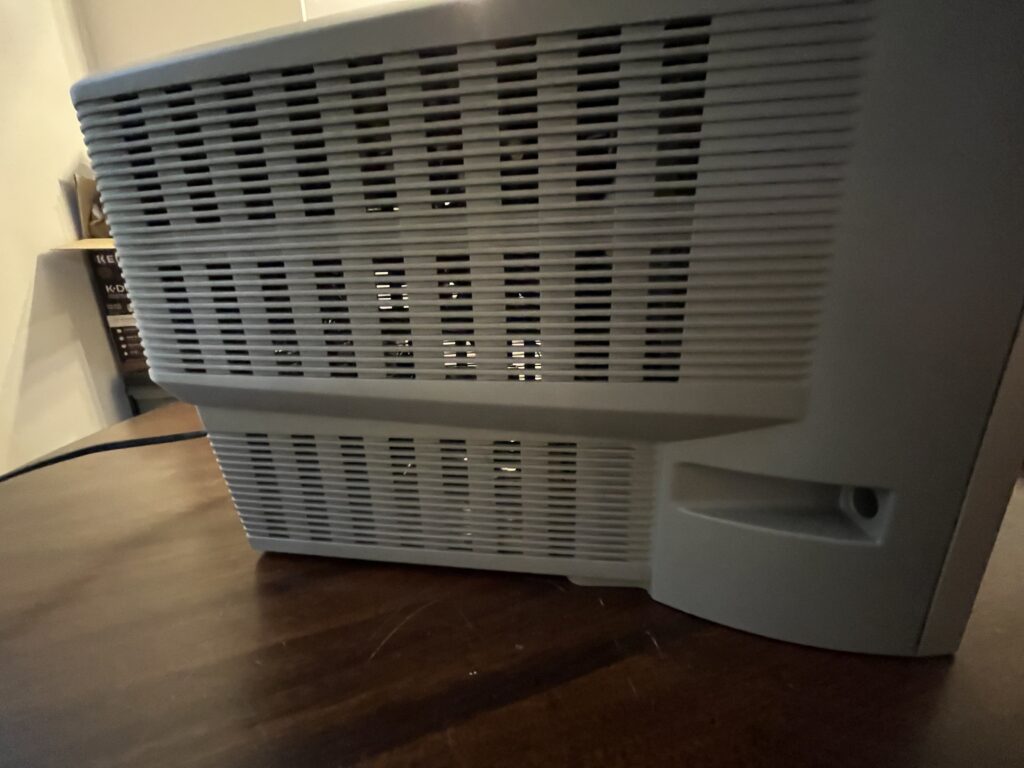
But these TVs run HOT. Especially the flat models.

Most surviving issues today are honestly:

* cooked solder joints
* tired capacitors
* stressed horizontal parts
* vertical circuit failures

Nothing shocking. Just 20+ year old Trinitron stuff.
Many technical specifications listed on this site are sourced from the CRT Database. Their work documenting CRT displays is extensive, accurate, and incredibly valuable to anyone interested in this hardware.

Whenever specifications are used from their database, proper credit is given.

If you want deeper technical details on any CRT mentioned here, you should absolutely reference their site.


CRT Database: https://crtdatabase.com